
You know the patterns. You’ve seen them play out in the lives of the people you love. Your best friend swears she’s done with emotionally unavailable men who ghost her when things get real—but a month later, she’s in another toxic relationship. You want to shake her, but if you’re honest, you’ve done the same thing. Maybe not in love, but in work—you keep saying yes to jobs that seem great on paper but drain you. Or you’ve poured yourself into friendships where you always listen, but never feel heard. Maybe there’s a business idea or book you’ve been dreaming about for years, but it’s still buried in a Google Doc or the back of your mind, waiting for the “right time” or a more confident version of you to spring to the surface.
We know these habits by their names: people-pleasing, codependency, procrastination, perfectionism, overworking, and avoidance.
Yet a lot of the time, awareness isn’t enough to change. And oftentimes, the more you try to change, the more it feels like you’re fighting yourself. These patterns that maybe once helped you survive are now keeping you stuck.
So the question is: What is it costing us to ignore the root?
The Science Behind Lisa Thomas’s Epigenetics Work
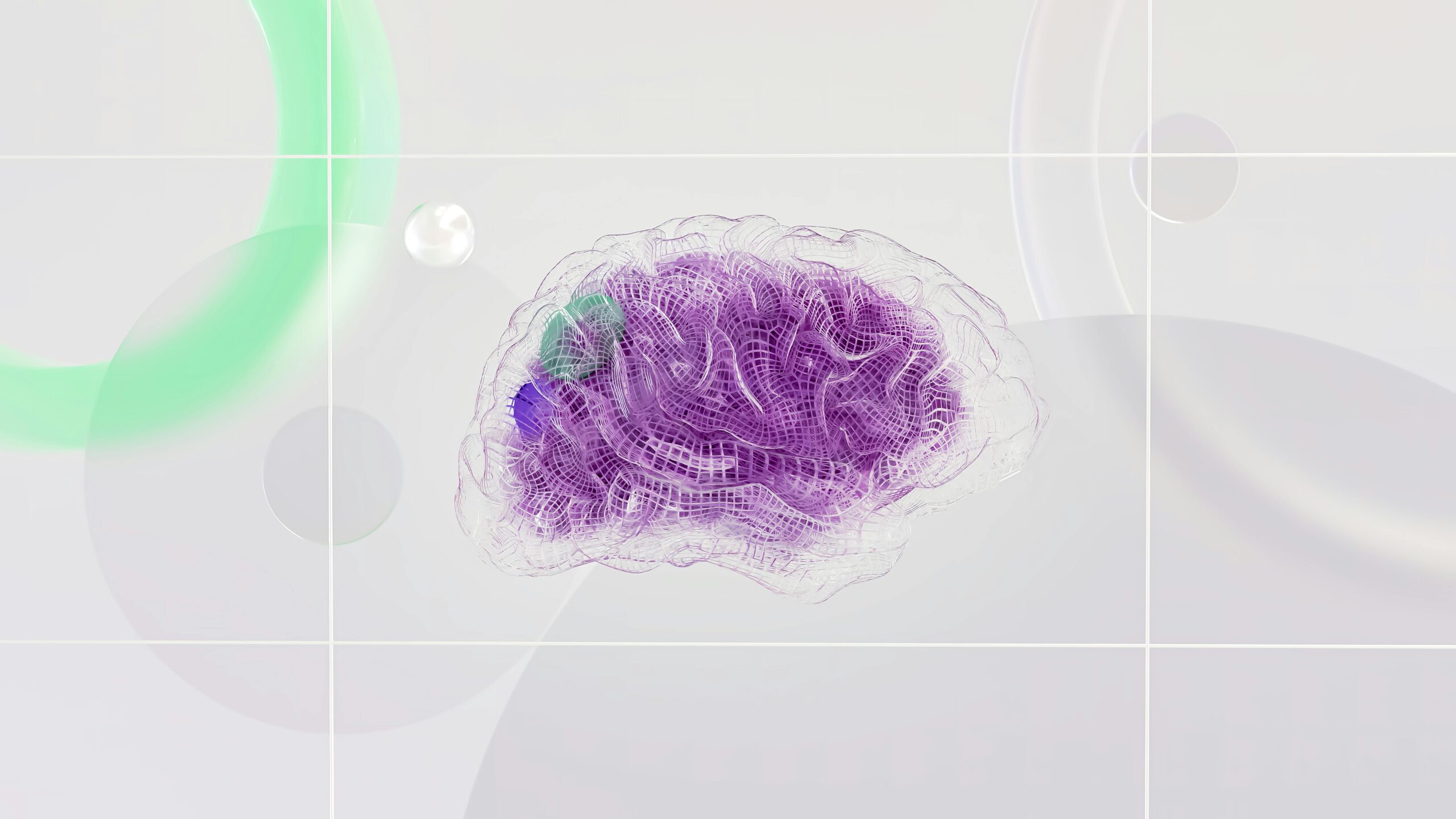
Most of us were never taught to look below the surface of our emotional patterns. But according to Lisa Thomas, TEDx speaker and founder of Epigenetics for Global Impact, what drives much of our behavior is something she calls emotional DNA.
Think of emotional DNA as the subconscious inheritance you didn’t realize you received: patterns, beliefs, survival responses, and unspoken rules passed down through generations. It’s the way your nervous system freezes when someone raises their voice. It’s the guilt you feel when resting. It’s the voice in your head that says success has to come through struggle.
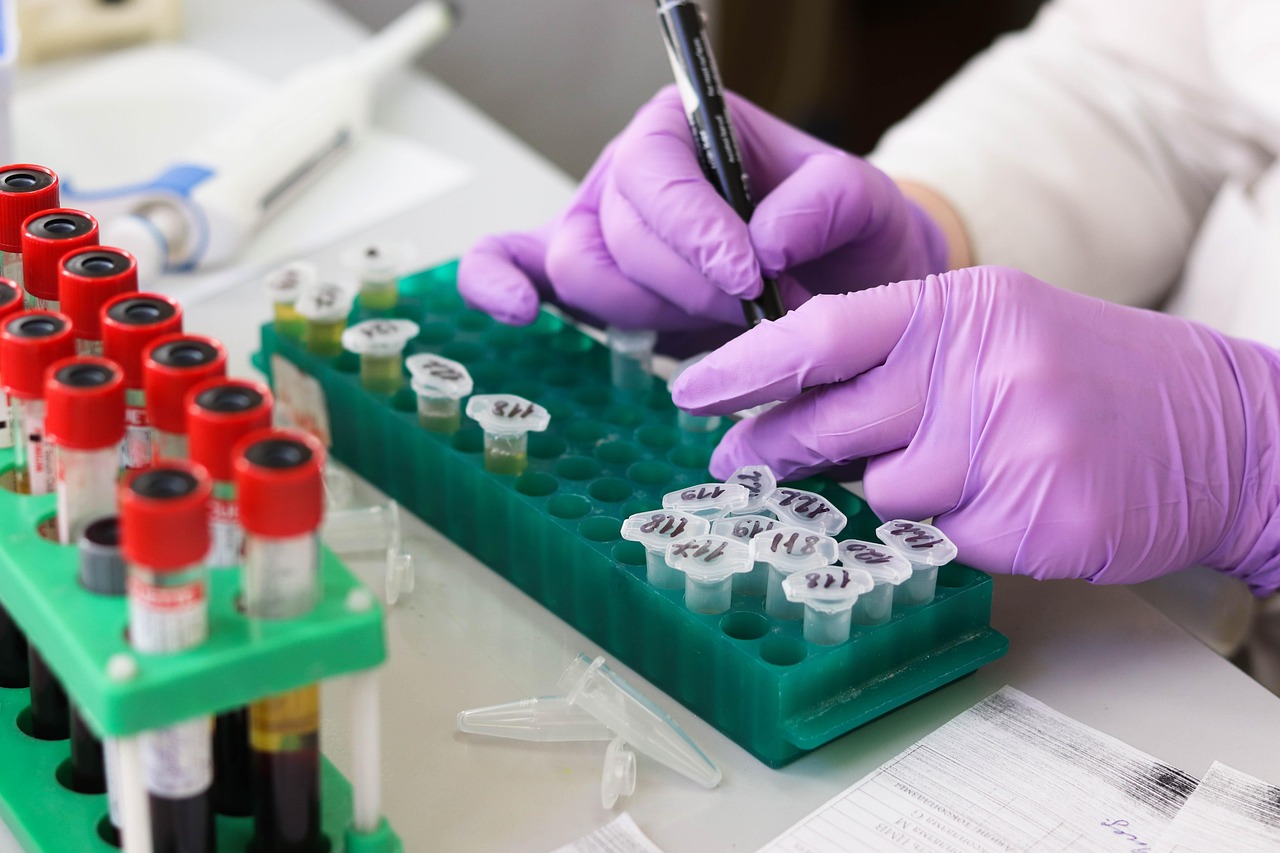
And it’s not just anecdotal. A 2025 Yale School of Medicine study found that children of Syrian refugees showed measurable changes in their stress biology, even when raised in safe environments¹. These biological changes, influenced by trauma exposure in the parents, suggest that stress responses can be shaped before a child is ever consciously aware of them.
Earlier research by Dr. Frances Champagne at Columbia University demonstrated that disrupted maternal bonding in animals led to long-term changes in gene expression through DNA methylation—a process that doesn’t change the DNA code itself, but alters how genes are expressed². These epigenetic changes were passed down, affecting stress reactivity in future generations.
In other words: emotional experiences—especially those involving trauma—can biologically shape how we respond to life. And unless we examine that hidden operating system, we may spend our lives reacting from inherited fear rather than from conscious choice.
Lisa Thomas on High Performers and the Epigenetics of Burnout
Nowhere is this more obvious than in high achievers. Lisa Thomas sees it constantly: clients who’ve built impressive careers, brands, and businesses—but who are privately battling burnout, imposter syndrome, or a constant fear of not doing enough.
“They’re trying to solve the wrong problem,” Lisa explains. “They’re trying to fix the symptoms of inherited survival patterns without realizing that’s what they are.”
Oftentimes, they’ve spent thousands on therapy, coaching, books, or transformational retreats. The self-improvement industry is booming—estimated to reach $67 billion globally by 2030—but for many, the inner shift they’re chasing still feels out of reach. Despite all the tools and advice, they continue saying yes when they want to say no, over-delivering, procrastinating on the things they care most about, or holding themselves to impossible standards because somewhere along the way, they learned that love, worth, and safety had to be earned.
Why Lisa Thomas Founded Epigenetics for Global Impact
Lisa Thomas has made it her life’s work to break the cycle of generational trauma through her company, Epigenetics for Global Impact. When asked about the name of her company, she shares, “Of course, there is a personal and painful cost to carrying the weight of these patterns as individuals. But when we zoom out, the cost becomes collective as trauma continues to pass through generations.”
And we see it everywhere: in leadership that lacks emotional intelligence, in the inability to empathize across difference, in the rising violence and polarization across our systems. The people most capable of changing the world often remain stuck in their own inherited survival patterns. And entire communities suffer when potential goes unrealized.
Why This Work Matters Now?
Lisa Thomas’s work combines emerging insights from behavioral epigenetics with a unique approach to healing what she calls emotionally inherited DNA. But her work goes beyond healing. It’s about unlocking the capacity for self-leadership. When we’re no longer ruled by the patterns we’ve inherited, we gain the freedom to choose who we want to become. From that place, we don’t just lead our own lives. We lead movements, families, companies, and futures.
Through her Soul Awakening Method™, Lisa helps individuals uncover the fears, beliefs, and coping patterns they may have inherited and clear them at the root. Her work doesn’t just relieve symptoms; it initiates transformation. One that ripples far beyond the individual and into the collective.
“When even one person breaks a generational pattern,” Lisa says, “they don’t just heal themselves. They change what’s possible for everyone who comes after them.”
Conclusion: The Future is Self-Led
We’re living in a time where inherited patterns are shaping everything from the way we relate, lead, and parent to the choices we make about our health, work, and worth.
What would be possible if we stopped fixing symptoms and started clearing what never belonged to us in the first place?
Lisa Thomas believes this work will define our generation. Epigenetics for Global Impact is a movement to shift the legacy we leave behind. Because when we begin to lead ourselves from within, we evolve together. And that’s how real change begins.
Sources
- Yale School of Medicine, 2025 Study on Syrian Refugee Families and Epigenetics
- Champagne, A., et al. (2008). “Maternal care and the epigenetic regulation of gene expression.”
Author’s Bio:
Lisa Thomas believes this work will define our generation. Epigenetics for Global Impact is a movement to shift the legacy we leave behind. Because when we begin to lead ourselves from within, we evolve together. And that’s how real change begins.
Written in partnership with Tom White