
Image credit: Pixabay
The combination of hybrid work models and AI-powered operational changes is driving increased adoption of adaptive workspaces across all sectors. The new environments require more than just flexible office spaces; they function as active systems that support evolving business operations and automated processes, enabling fast decision-making.
Companies are no longer rethinking workspace culture; instead, they are reconsidering how work gets done. Organizations are building adaptive workspaces that combine technology and autonomy with data-driven insights to handle changing operational requirements. AI is the primary driver of this transformation because it enables organizations to operate faster while maintaining strategic control.
AI as the Backbone of Adaptive Operations
Artificial intelligence is rapidly becoming the backbone of adaptive work environments. The technology is no longer just a passive tool; it is now helping teams anticipate operational needs and identify performance trends before issues arise.
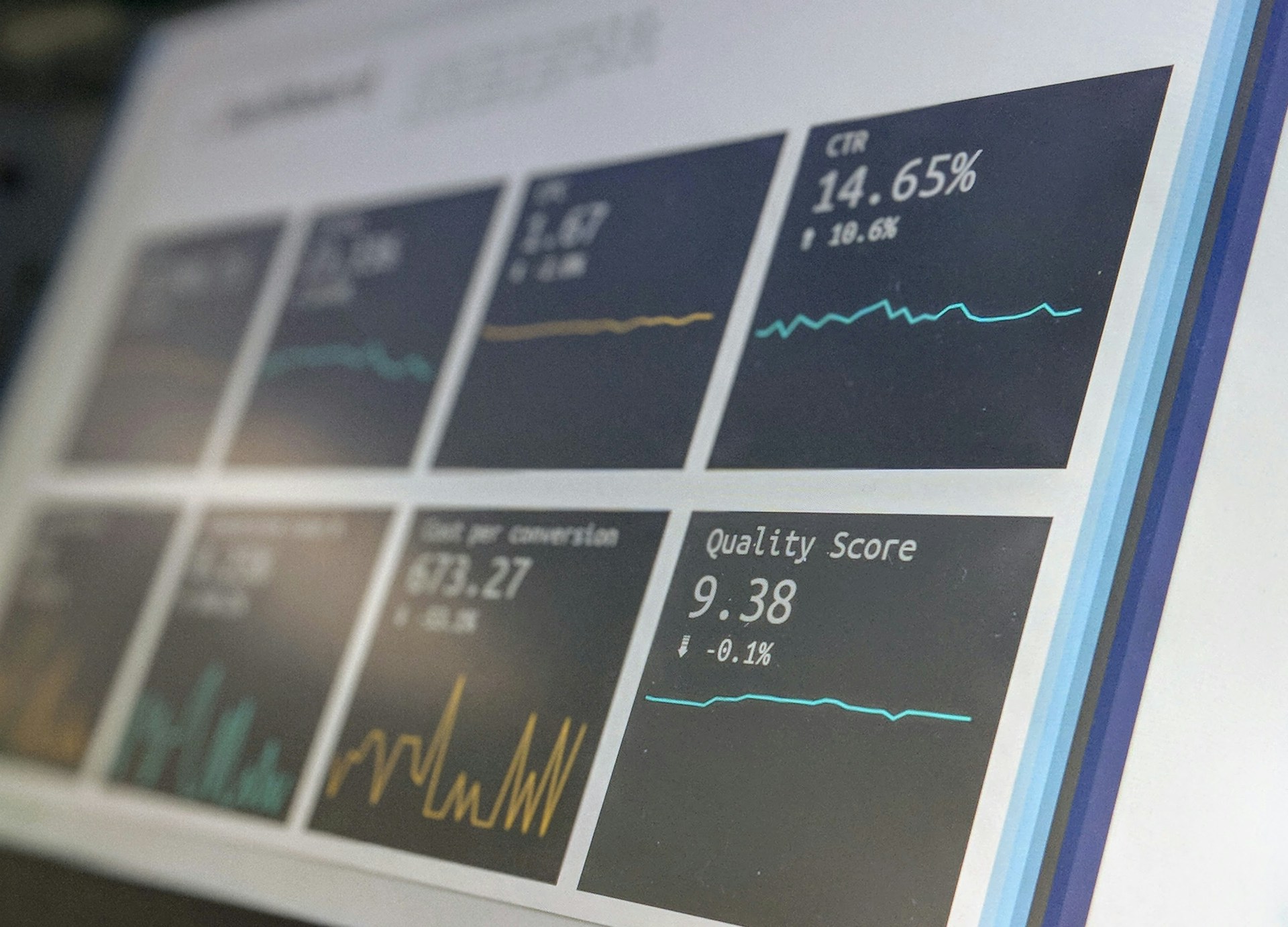
Organizations are using AI systems to monitor key performance indicators, streamline HR workflows, and track digital commerce operations in real time. This shift allows leadership teams to move away from reactive problem-solving and toward proactive management.
Companies such as Omnisec Solutions are pushing AI beyond passive dashboards into something closer to operational intelligence. Instead of reacting to performance dips after they happen, organizations are now building systems that surface risks, inefficiencies, and opportunities in advance, often before teams are even aware of them.
For CEO Vitaliy Zurov, this shift is less about automation and more about awareness. AI is not replacing human oversight, it is compressing the time it takes to understand what is happening across a business. As he explains, these systems continuously monitor key variables, from performance metrics to operational anomalies, and surface them early enough for teams to act with precision rather than urgency.
“We fit the AI with all the information and scripts that we need, and the bot can track almost in real time. It can signalize us in advance. For example, it can say, ‘Here you have increased spend on ads, and it’s not performing well. Check this.’ In a traditional environment, it might appear too late, when we already lose money,” Zurov explains.
That shift from lagging indicators to leading signals is what defines adaptive environments. The workspace is no longer a place where work is executed. It becomes a system that informs how work should be executed in the first place.
At the same time, Zurov is clear about the limits. The effectiveness of these systems depends entirely on how they are used. “The AI, as all other tools, should be used mindfully and in a sophisticated way,” he notes, emphasizing that speed without judgment simply accelerates mistakes rather than outcomes.
The organizations that benefit most are not the ones that adopt AI fastest, but the ones that integrate it with intention.
Building AI Into the Workflow, Not Around It
While AI adoption continues to expand, organizations are discovering that the most effective adaptive workspaces embed AI directly into operational workflows rather than treating it as a separate system. When AI becomes part of the organizational infrastructure, it supports daily processes without disrupting established infrastructure. This approach allows employees to treat AI as a partner rather than an external tool.
memoQ shows how companies are assigning AI-structured roles within internal processes. The organization integrates AI into functions such as Request for Proposal (RFP), allowing teams to accelerate proposal development while maintaining consistency across projects.
Mugais Jahangir describes a model where AI is embedded directly into the org chart, with ownership, accountability, and performance expectations similar to any human role. This shift fundamentally changes how teams interact with technology. Instead of “using a tool,” they are collaborating with a system that has defined responsibilities.
“We had a manager who would be responsible for training the AI solution, putting the right data into it, and then training the people who would work with that AI solution. It became a thinking partner, not just a tool where you put input and expect output,” Jahangir explains. This reframing matters because most failed AI implementations are not technical failures. They are structural ones. When AI sits outside the workflow, it creates friction. When it sits inside the workflow, it removes it.
The impact becomes clear in execution. Tasks that once required multiple layers of coordination, such as RFP responses, are now compressed into a system where AI synthesizes historical data, identifies gaps, and routes work to the right experts automatically.
“The AI system will synthesize the data based on all the existing RFPs that we’ve answered before. It can say, ‘I can answer 80% of this, but I need two subject matter experts for the rest.’ That work used to be manual,” Jahangir says.
The result is a redefinition of roles. Humans move toward judgment, validation, and strategy, while AI absorbs the cognitive load of aggregation and pattern recognition. Organizations that fail to embed AI this way often report underwhelming results. Not because the technology is lacking, but because the system around it is.
Responsiveness and Client Experience in Service-Based Industries
Adaptive workspaces are also transforming service-based industries, where responsiveness often determines client satisfaction and revenue outcomes. In sectors such as legal services, missed inquiries or delayed responses can directly mean lost opportunities. AI-assisted systems are helping these firms maintain round-the-clock responsiveness while preserving professional standards.
ClaireAi is built around a simple observation: a significant portion of client opportunities are lost not because of poor service, but because no one responds in time. In legal services, where urgency often defines client decisions, this gap is especially costly.
“We actually called a thousand personal injury firms and tested their reception after hours. Twenty-eight percent had nothing whatsoever. It’s going straight to voicemail,” says co-founder Cal Stein.
Adaptive workspaces address this gap by extending operational presence beyond human limitations. AI systems handle intake, qualify leads, and maintain engagement even when teams are offline. But the real shift is not availability, but continuity.
Instead of fragmented interactions, firms can now maintain a consistent client experience from first contact through follow-up. AI becomes the connective layer between inquiry and action. What makes this particularly effective is how invisible it has become. Stein notes, “It’s amazing to see the amount of people that call our AI and don’t realize it’s AI until the end of the call. It interacts just like a person, adapting to tone and context.”
Still, Stein draws a clear boundary. Automation should not erase human judgment. It should create space for it. “I don’t think that we should lose the human touch,” he says, pointing to a future where AI handles intake and triage, while humans focus on decision-making and client relationships.
The firms that get this balance right will not just respond faster. They will operate with a level of consistency that traditional models cannot match.
Experimentation: Core Workplace Advantage
The emphasis on experimentation is another defining characteristic of adaptive workspaces. As AI tools evolve rapidly, organizations are increasingly creating environments where testing new workflows and technologies becomes a routine part of operations.
Invent represents a growing number of companies using AI to accelerate brainstorming, prototyping, and cross-functional collaboration. The firm is integrating AI into creative and development processes, helping teams move smoothly from concept to iteration.
Alix Gallardo, Co-founder and CPO of Invent, describes experimentation as a fundamental advantage in the current technological moment. “We have the freedom to build, we have the freedom to experiment, we have the freedom to create, we have the freedom right now to fail.”
This freedom is not just cultural. It directly impacts execution. AI has reduced the time required for prototyping from weeks to days, sometimes hours, allowing teams to validate ideas before committing resources.
“Before, it would take a week and a half for ideation, feedback loops, and mockups. Now in one day, we can have the prototype. There is less back and forth because we’re already close to the look and feel we want,” Gallardo says.
The implication is clear. In adaptive workspaces, the cost of being wrong is lower, which increases the willingness to try. Organizations that resist experimentation often do so in the name of stability. In reality, they are choosing stagnation.
Creativity, Speed, and the New Shape of Work
Adaptive workspaces are also influencing creative work. Traditional bottlenecks in content production, design, and project execution have become more flexible, AI-assisted workflows.
Anyland operates as an AI-native creative company that structures its processes around speed and adaptability. Instead of forcing teams to follow rigid workflows, the company adjusts its environments to project requirements.
Björn Schneider, Managing Director of Anyland, summarizes this approach: “The environment adapts to the task, not the other way around.”
By removing physical constraints from production, the company has redefined what creative work looks like. There are no sets, no travel logistics, no traditional bottlenecks. Instead, the entire process is driven by ideas, execution, and iteration.
“We’re not coordinating physical resources anymore. We’re coordinating intelligence and taste. Every storyboard becomes possible. We can do a photo shoot on the moon if we want to,” says Schneider.
This shift collapses the gap between imagination and output. What used to take months of coordination can now be tested almost instantly. As a result, creative teams spend less time managing logistics and more time refining ideas.
“Suddenly, decision-making becomes the central element instead of wasting time organizing things. It’s about the environment adapting to the task, not the other way around,” Schneider explains.
Speed, however, introduces its own pressure. When execution is no longer the bottleneck, quality becomes the differentiator. “You need skilled people who know what good looks like. Everyone can use these tools, but not everyone can create something that stands out,” Schneider adds.
In this model, creativity is no longer constrained by resources. It is constrained by judgment.
The Future of Adaptive Work
The rise of adaptive workspaces signals a deeper transformation in workplace design. These environments are not defined solely by remote work or flexible schedules. Instead, they reflect an inclination toward intelligent systems that support human decision-making while enabling faster execution.
Whether it is legal services, software development, or creative industries, companies are experimenting with new ways to combine AI tools, collaborative processes, and employee autonomy.
Even as AI becomes deeply integrated into workplace systems, the most effective adaptive organizations continue to place people at the center of decision-making to accelerate outcomes and define direction.