
Image Credit: Unsplash
Over the last several years, AI has drastically reshaped the landscape of several industries. While many of these infrastructures were rooted in decades of tradition and well-entrenched methodologies, the possibilities of AI have proven impossible for many to ignore. Chief among these is the beauty industry, which has undergone a digital transformation in recent years, with AI positioned squarely at the forefront.
The beauty industry is larger and more successful today than ever before. As consumers have become increasingly aware of the vast array of potential beauty options and increasingly self-aware of their own physical appearance in this highly visual, digital world, many have been looking for new tools to aid them in deciding what products will work best for them.
Because the industry has become so monumental in size and scale, it has become that much more difficult for companies to cut through the noise and for consumers to find the precise kinds of products they are looking for. It’s easy to feel overwhelmed by the flood of skincare options online, particularly during the holidays. Fortunately, new tech-powered tools are stepping in to offer personalized, data-driven guidance.
The Problem with Traditional Skincare Shopping
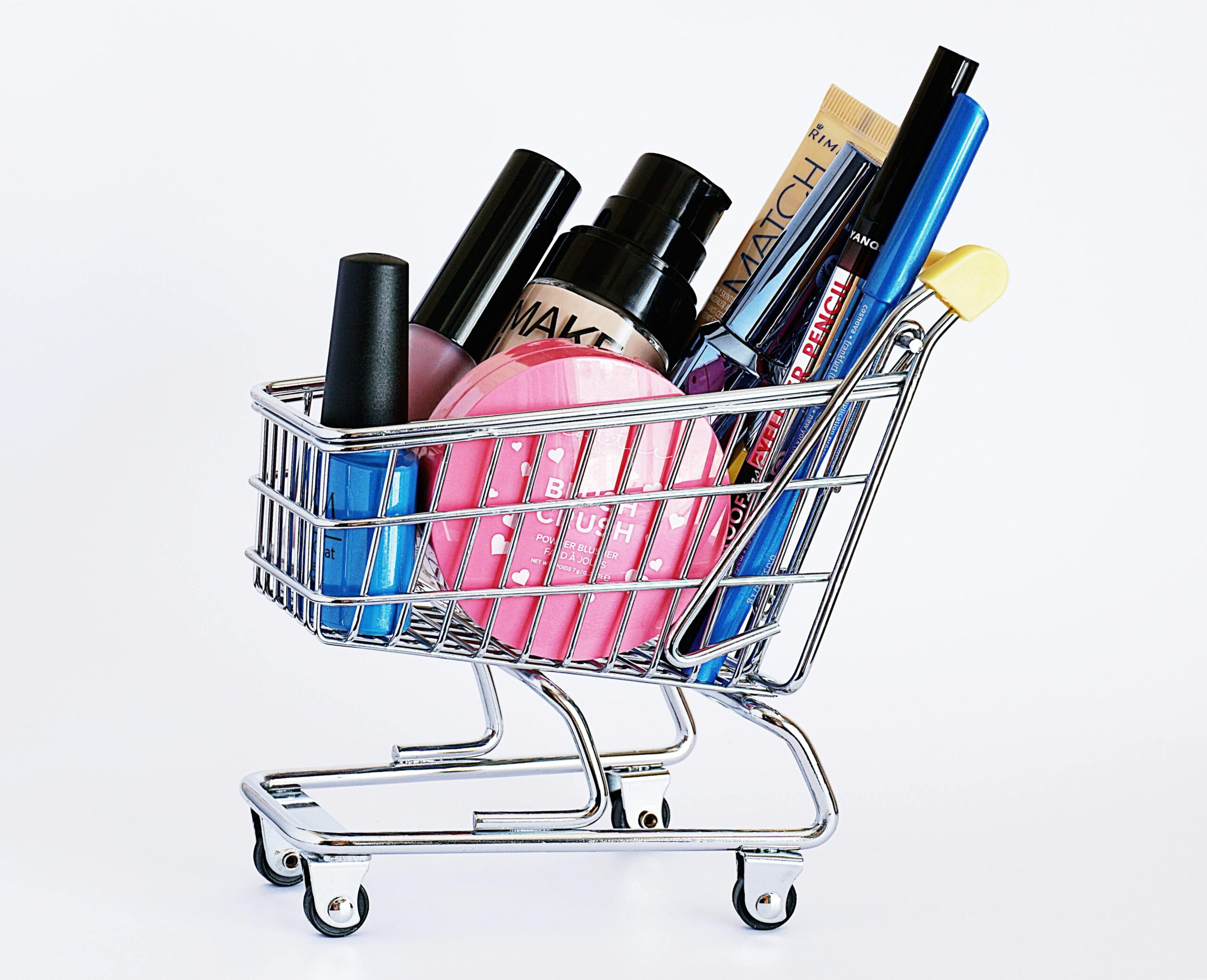
In recent years, the shift to online beauty retail has created decision fatigue for shoppers. Whereas shopping physical stores offered both a tactility (you could pick up the products you were inspecting and even try them on for yourself) and certain constraints (a given store could only house so many different products, limiting your choices in a way that was beneficial to the decision-making process), online shopping has changed things entirely. There are now limitless options only a few clicks away, and none of them are ones you’re able to physically feel or try on before purchasing.
Why generic recommendations and endless product pages don’t meet personalized needs, instead simply feeding users the most popular options online. This has made it difficult and exhausting for consumers to navigate the vast array of beauty products.
AI as a Personalized Beauty Consultant
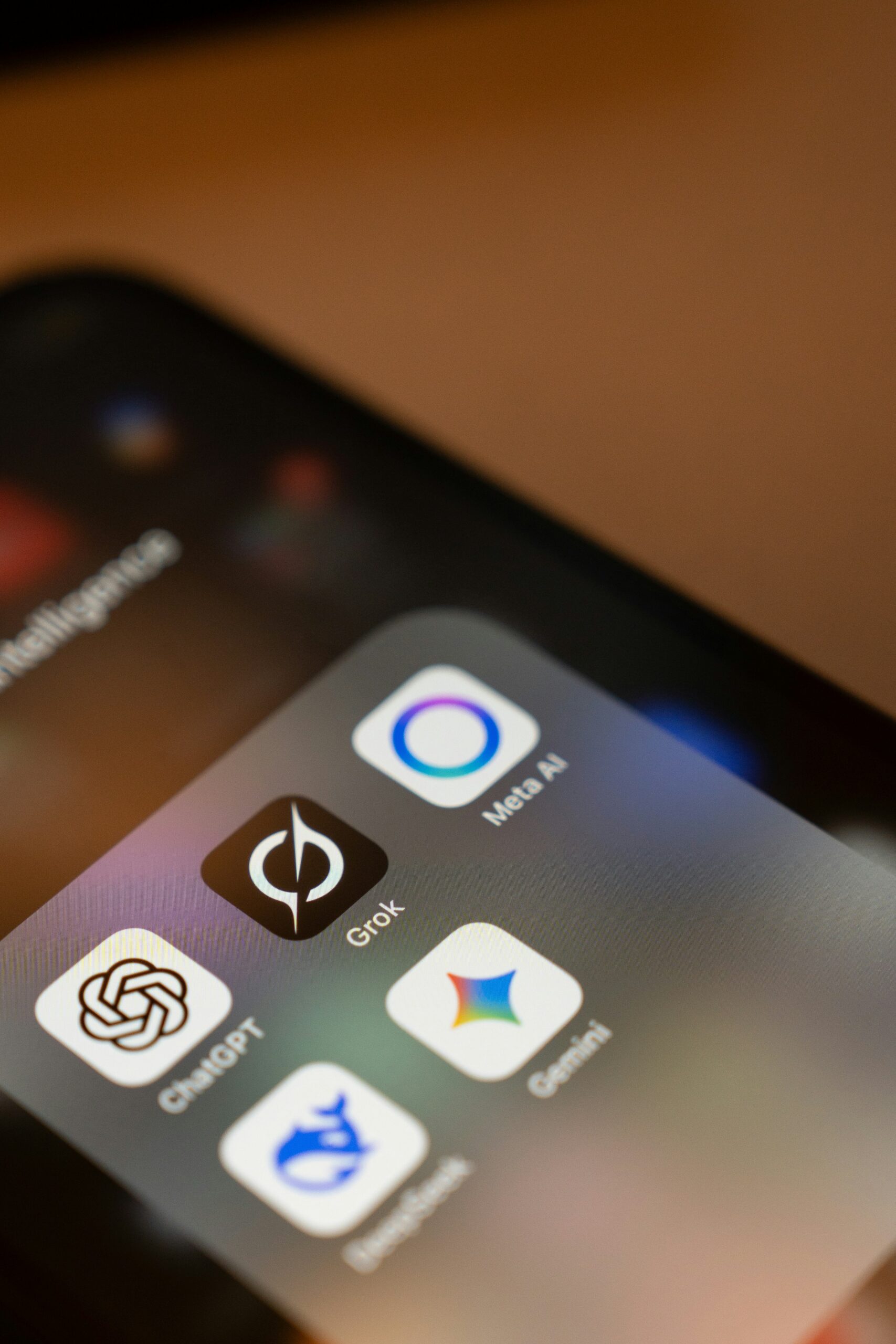
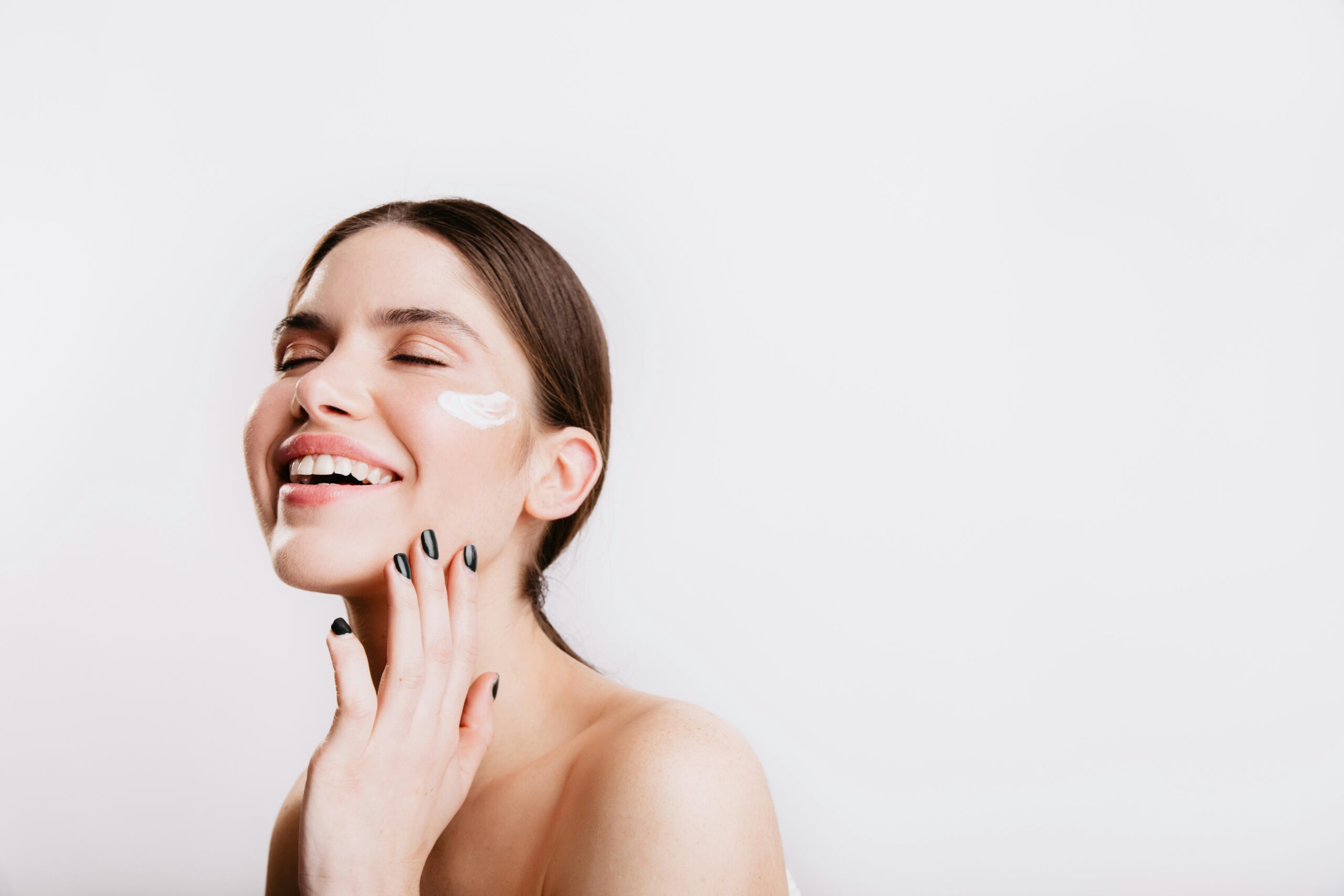
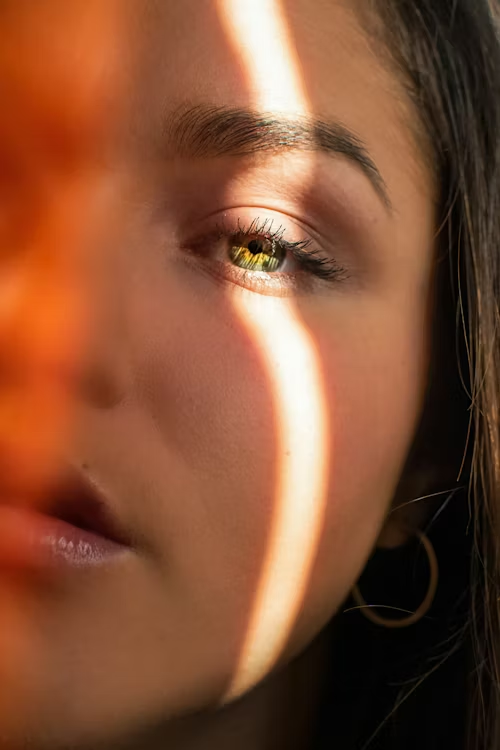
AI apps are changing all of that, though, and making the online shopping experience a much easier and more bespoke one. These AI-powered applications can analyze your skin via selfie or quiz, and offer tailored product recommendations specifically for you. No longer will you have to spend hours scrolling through possibilities, uncertain of what may work best for your skin, as the platform will help to regulate it all for you.
This process allows you to combine the app’s objective skin analysis with your own subjective preferences, such as routine style, price, and ingredients, resulting in an enhanced decision-making process that is still distinctly your own.
One such app is seen in Haut AI’s recent launch of SkinChat, a consumer-facing AI beauty agent that shops Amazon for skincare products. Built for the peak holiday shopping season, the new version of SkinChat acts as a personalized beauty consultant that analyzes your skin and instantly curates the best Amazon-available products tailored to your needs.
The app has dual-layer personalization, over 150 skin biomarkers, and conversational AI for preferences. It also offers long-term tracking via the “Skin Portrait” feature, which allows users to see their skin evolution over time. As Anastasia Georgievskaya, co-founder and CEO of Haut AI, surmised, “Consumers want a quality product at a reasonable price… this seemingly simplest task becomes very complex.”
Here, AI is used to enhance human work rather than replace it. The AI app enables more meaningful customer interaction in physical stores. Haut AI sees AI as a tool, helping to aid vital human experts, freeing them from repetitive tasks to focus on high-value, human connections.
Final Thoughts
This holiday season, beauty shoppers might finally get the help they need, not from salespeople, but from AI agents trained to understand both their skin and preferences. As this technology advances, it could reshape not just what we buy, but how we feel in our skin.