
Image credit: Pixabay
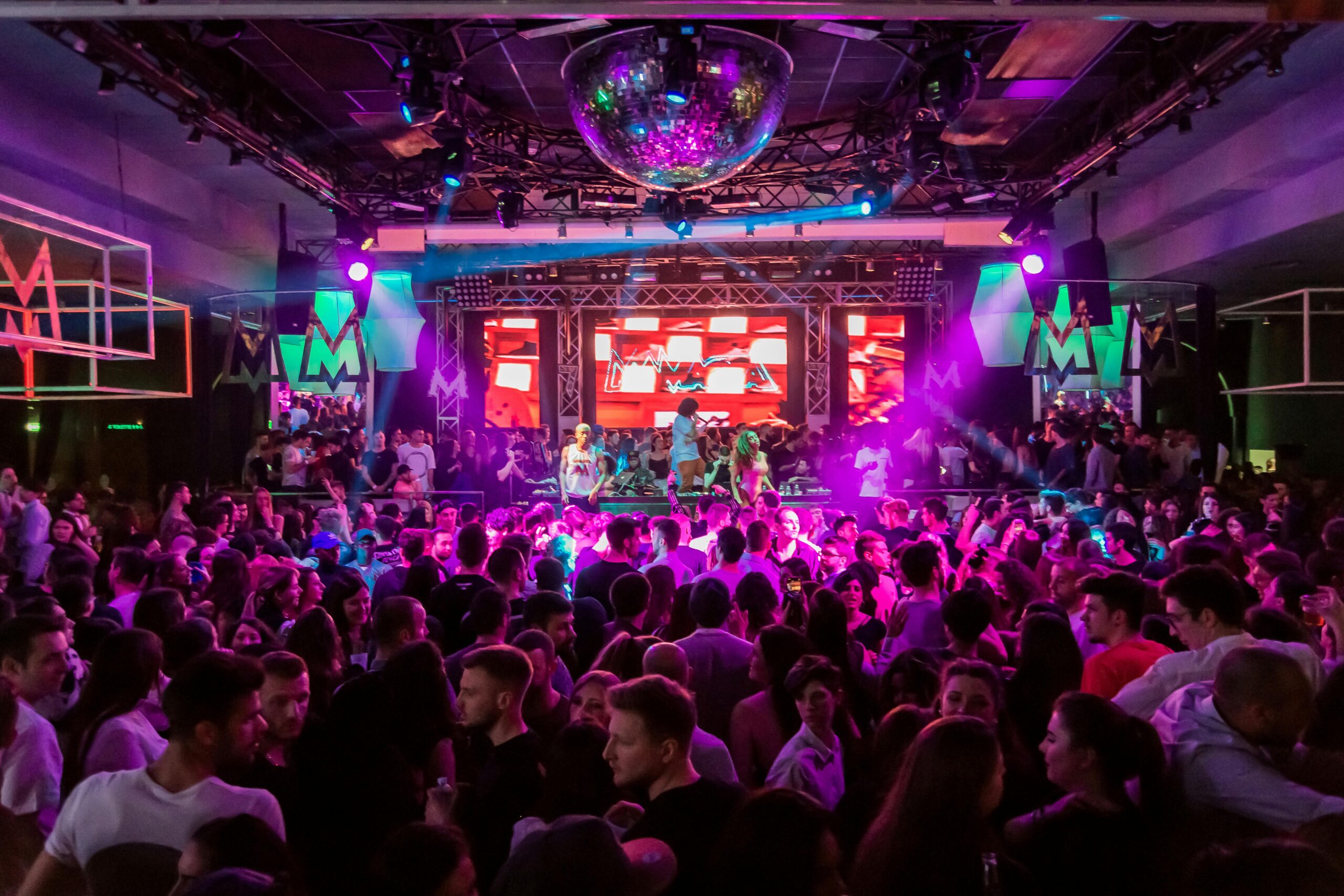
For years, B2B events have been high-impact, high-investment gatherings, designed to generate leads and spark conversations. However, these events have quietly faded once the lights went down. Thankfully, that model is rapidly changing. Today, B2B events are received as a broader, continuous marketing strategy, powered by tighter budgets, higher performance expectations, and the growing need to extract long-term value from every interaction.
Marketers are now facing mounting pressure to deliver more impactful events with fewer resources. This has shifted the focus of these events beyond the number of attendees or on-site engagement. The real value of B2B events is now estimated by the enduring impact they leave. Smarter post-event content strategies are essential for turning sessions, panels, and key moments into assets that support year-round marketing goals.
The Popularity of Content-First Event Marketing
This rising demand for content-first event marketing has changed how modern events are planned and executed. Instead of functioning as one-off touchpoints, B2B events now act as content engines. A single event can fuel short-form video clips, social media content, and thought leadership assets that remain relevant long after the event concludes.
Real-time content creation is crucial in this transformation. Marketing teams capture and distribute content as events unfold, ensuring speed, relevance, and broader reach. Reusing that content across channels not only extends the lifespan of events but also reinforces consistent messaging across the buyer journey. In this model, the event becomes the starting point, not the finish line.
The Role of AI and Automation
Artificial intelligence and automation are at the forefront of this evolution. Marketers are leveraging AI tools to streamline content production and amplify event outcomes without increasing operational complexity. Automation now enables the rapid turnaround of video assets, allowing teams to publish content quickly while maintaining brand consistency through clearly defined guidelines.
These technologies are setting new standards in workflows that once required significant manual effort. Production bottlenecks are reduced, empowering marketing teams to focus on strategy and storytelling rather than execution. This strategy is helping every event generate measurable and repeatable impact.
Strategic Acquisitions Fueling Innovation
The demand for integrated workflows has also driven strategic investments across the industry. Companies are actively investing in platforms that merge video and event operations into unified systems.
One notable example is Cvent’s recent acquisition of Goldcast, an AI-powered video content platform. The move strengthens Cvent’s ability to help marketers scale post-event impact by connecting live event execution with ongoing content distribution.
“How do we bring these capabilities so that it’s not scaling complexity, it’s scaling capability?” said McNeel Keenan, VP of Product Management at Cvent. “We’re helping [marketers] scale capabilities to consistently engage with their audience on brand, uncover intent signals, and drive outcomes.”
Future of Events as Revenue Engines
As this evolution continues, events are becoming critical drivers of audience growth, brand authority, and even direct monetization. Post-event data and insights increasingly shape future experiences, inform content agendas, and refine audience targeting strategies. Each event feeds intelligence back into the marketing engine, creating a cycle of continuous growth.
Final Thoughts
As attention spans shrink and AI fuels marketing operations, the role of B2B events is changing. Professionals who treat every event as a content catalyst rather than a one-day experience are better positioned to lead the next phase of event-driven marketing. When the business world is defined by efficiency and impact, the success of an event will be measured by the impact it creates beyond the closing keynote.