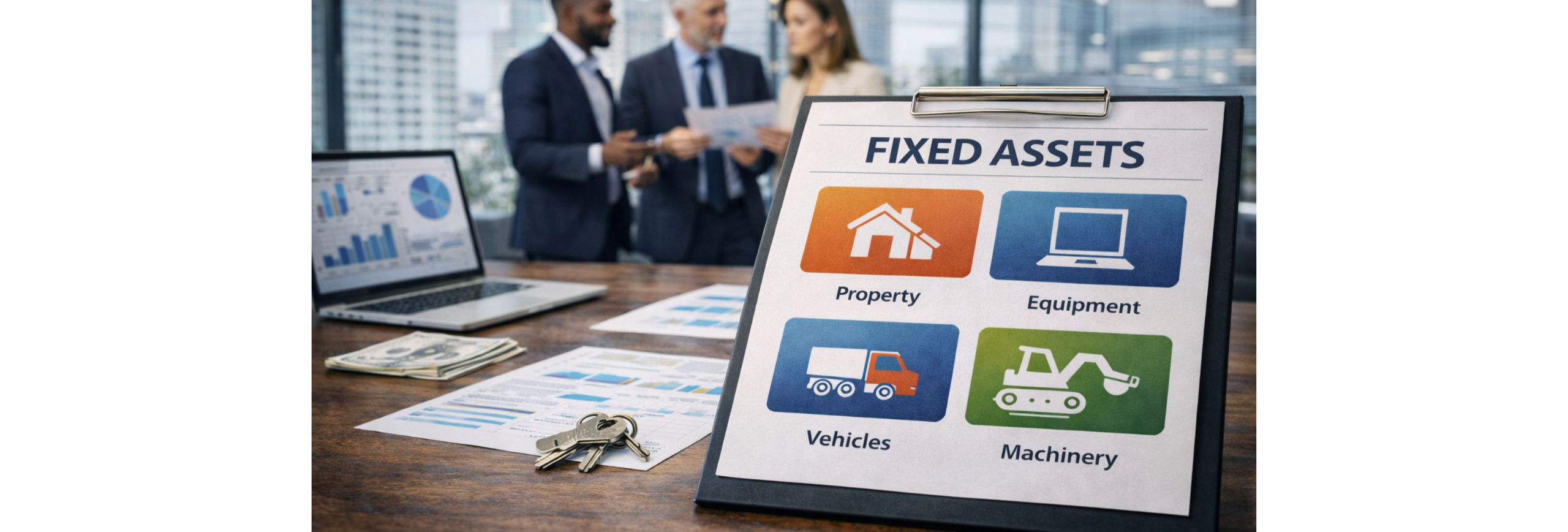

Organizations invest significant capital in resources that support operations for years or decades. What are fixed assets? These long-term tangible holdings include property, equipment, vehicles, and infrastructure that businesses use to generate revenue and deliver services. Unlike inventory sold quickly or cash deployed for immediate needs, fixed assets provide enduring value through sustained operational contribution.
The distinction between current and fixed assets shapes financial planning, tax strategy, and investment decisions. Companies must allocate capital wisely between short-term working capital needs and long-term productive capacity. Organizations that underinvest in fixed assets sacrifice competitiveness, while those that overbuild waste resources on underutilized capacity.
Fundamental Characteristics of Fixed Assets
Several defining attributes separate fixed assets from other balance sheet items. Understanding these characteristics helps organizations manage these holdings effectively.
Long-Term Operational Use
What is the primary purpose of fixed assets? These holdings support business operations over extended periods, typically exceeding one year. Companies acquire fixed assets to use them, not to resell them. This intent distinguishes fixed assets from inventory or investments held for appreciation.
Manufacturing equipment produces goods for sale. Office buildings house employees and operations. Delivery vehicles transport products to customers. Each asset contributes to revenue generation through ongoing use rather than through its own sale. This operational focus defines the fixed asset category.
The extended useful life creates a unique accounting treatment. Organizations capitalize acquisition costs and expense them gradually through depreciation rather than recognizing full costs immediately. This matching principle aligns expenses with the periods benefiting from asset use.
Physical Tangibility and Permanence
Fixed assets possess physical substance. Buildings occupy space, machinery has mass, and vehicles move goods. This tangibility differentiates fixed assets from intangible holdings like patents, trademarks, or goodwill.
Physical assets require maintenance to preserve functionality. Equipment needs regular servicing, buildings require repairs, and vehicles demand upkeep. Organizations must budget for ongoing maintenance costs beyond initial acquisition expenses. Deferred maintenance eventually impairs asset performance and accelerates replacement needs.
ZCG, which has invested in companies across manufacturing, hospitality, consumer products, and industrial sectors throughout its 20-year history, recognizes that fixed asset condition directly impacts operational efficiency and profitability. Portfolio companies require adequate capital investment to maintain competitive productive capacity.
Common Categories of Fixed Assets
Organizations hold various types of long-term tangible assets depending on their industry and operational requirements.
Real Property and Land
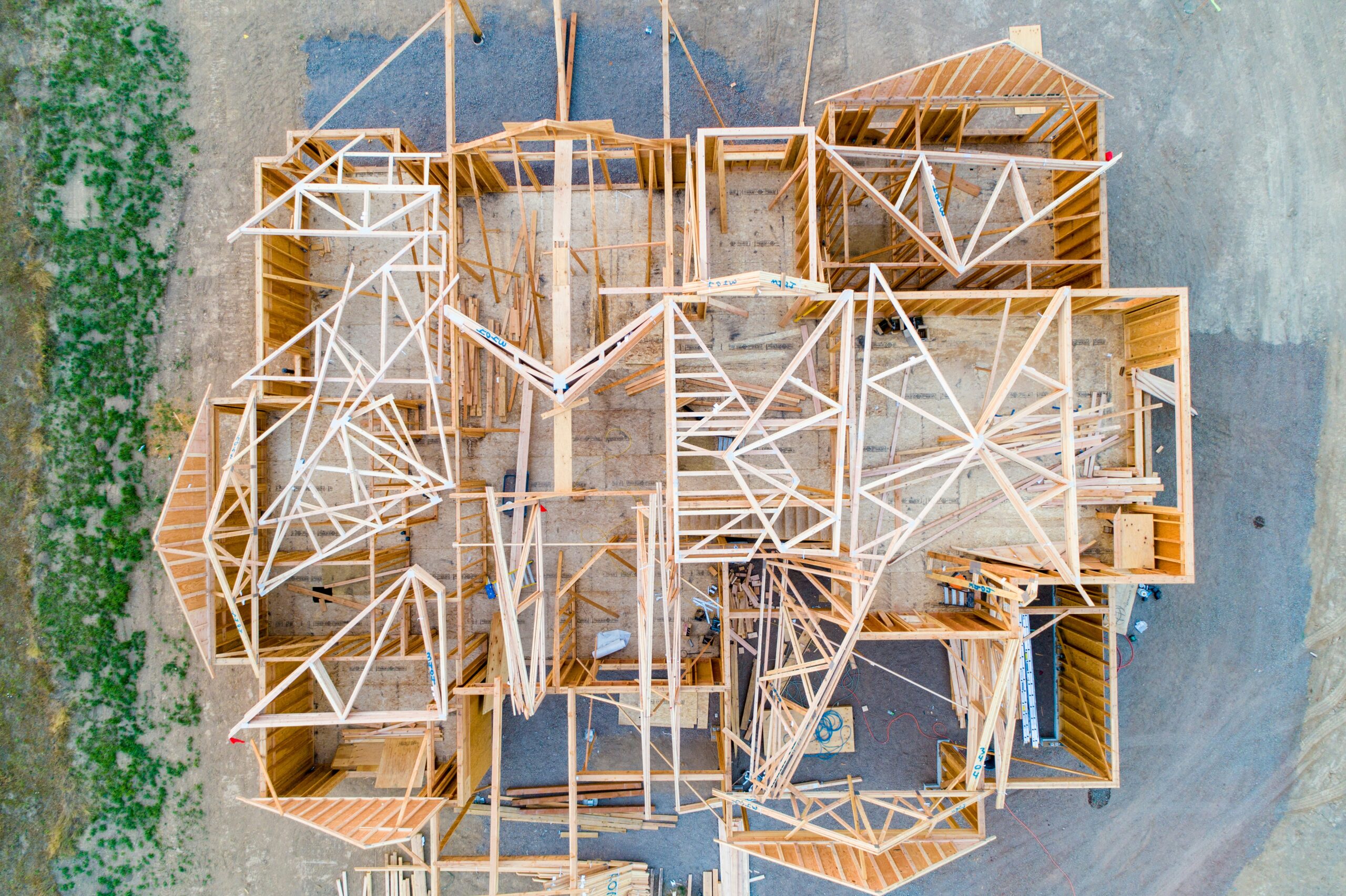
Real estate represents a major fixed asset category. Buildings provide space for production, storage, offices, and retail operations. Land offers sites for facilities and potential appreciation. Unlike most fixed assets, land typically maintains or increases value rather than depreciating.
Property investments involve substantial capital commitments with limited flexibility. Organizations cannot easily relocate facilities or repurpose specialized buildings. Location decisions have lasting competitive implications. James Zenni, who founded ZCG after building extensive capital markets experience at Kidder, Peabody & Co., has overseen real estate investments across hospitality, retail, and industrial properties throughout his 30-year career.
Ownership versus leasing represents a strategic choice. Purchasing property requires large upfront capital but builds equity. Leasing preserves capital flexibility but creates ongoing obligations. The optimal approach depends on capital availability, growth expectations, and strategic priorities.
Machinery and Equipment
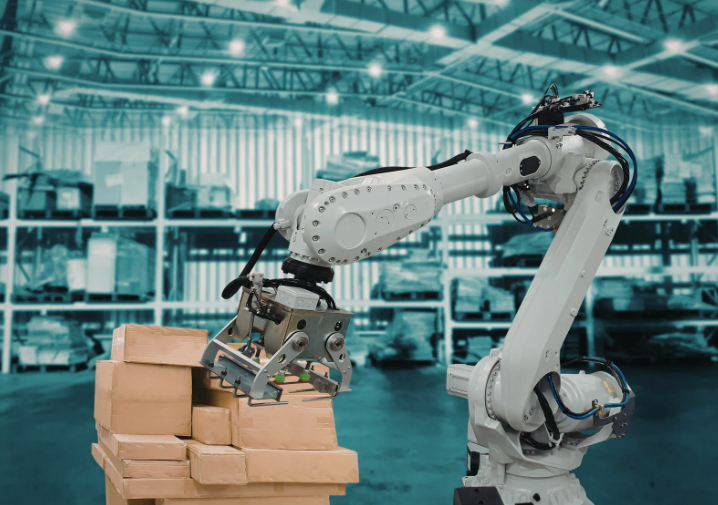
Production equipment forms the operational backbone for manufacturing and industrial companies. Specialized machinery enables efficient production at scale. Technology equipment supports modern business operations across all sectors.
What are fixed assets’ most significant operational investments? Equipment purchases often represent the largest capital commitments for manufacturing businesses. These decisions determine production capacity, efficiency levels, and quality capabilities. Outdated equipment handicaps competitiveness while premature replacement wastes resources.
Equipment selection involves evaluating capacity needs, technology sophistication, and total ownership costs. Initial purchase price represents only part of the equation. Operating expenses, maintenance requirements, and expected useful life affect long-term economics. ZCG Consulting (“ZCGC”), ZCG’s business consulting platform, helps clients across automotive, consumer food, and industrial sectors optimize supply chain logistics and equipment investment decisions based on operational requirements and financial constraints.
Vehicles and Transportation Assets
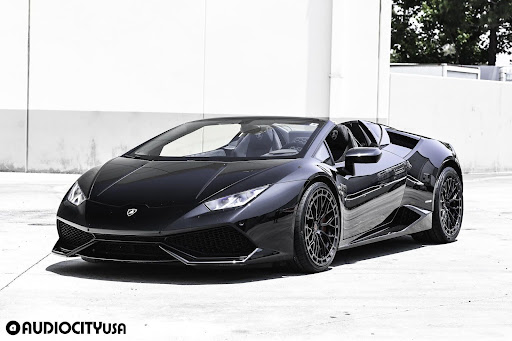
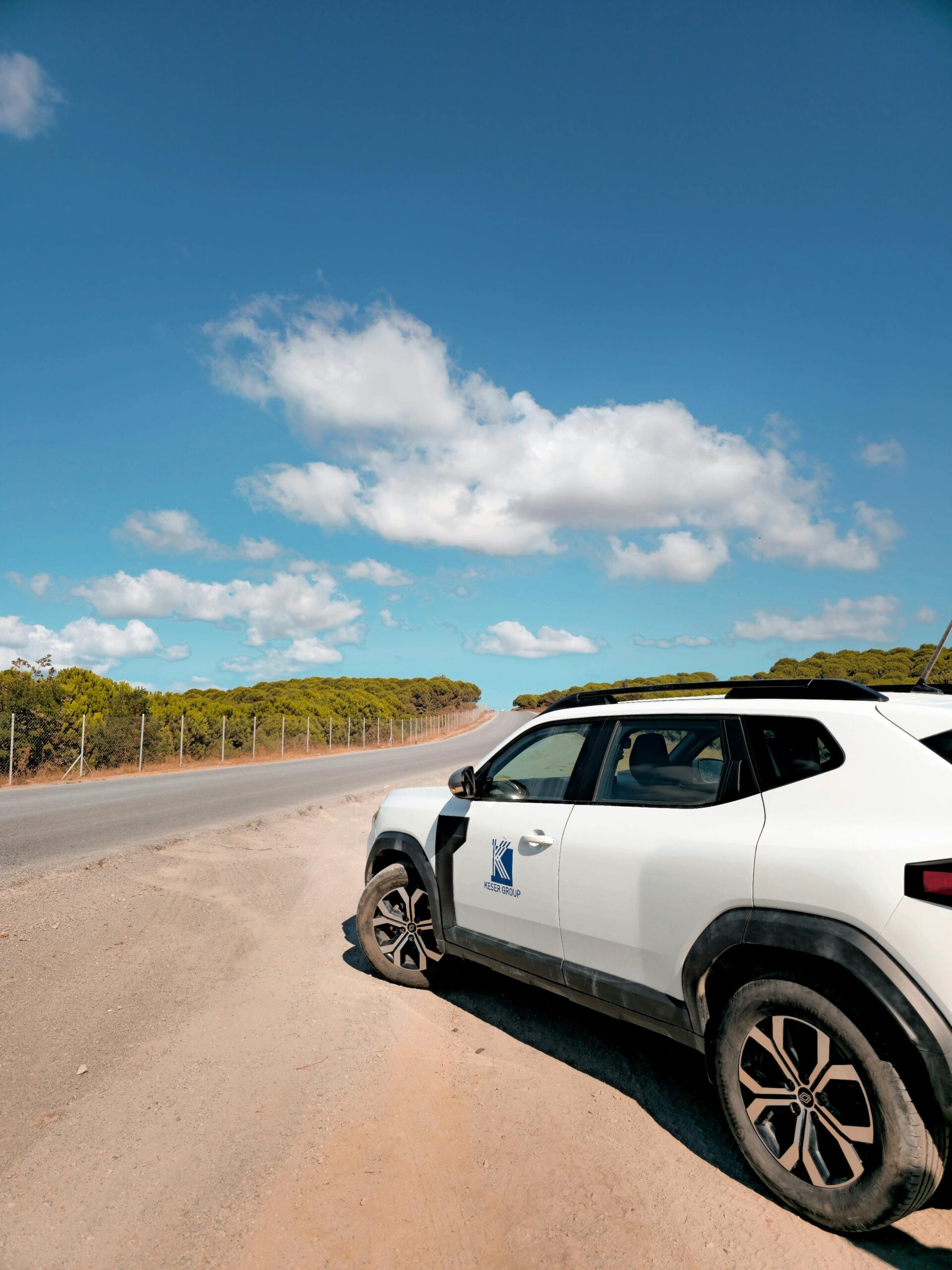
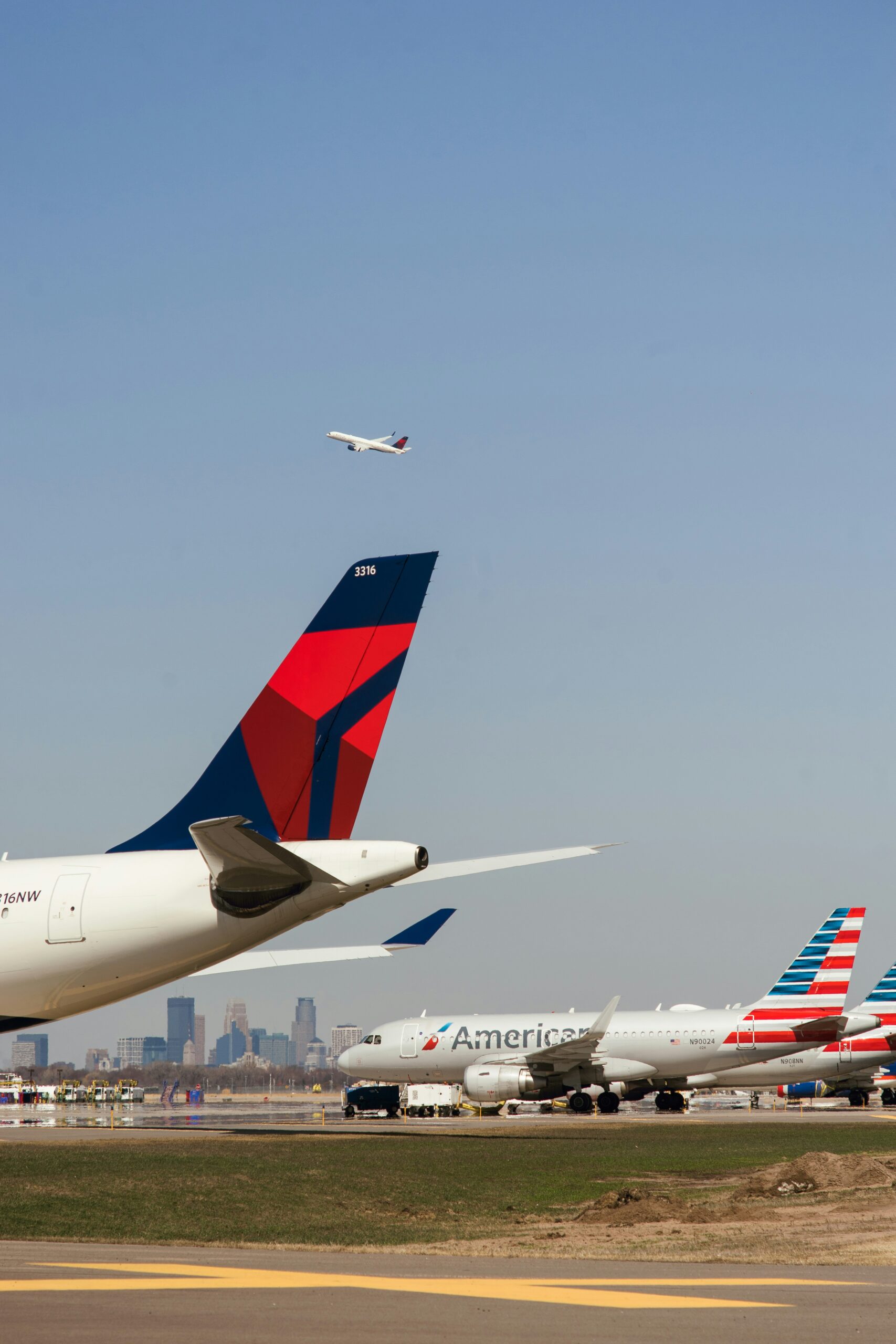
Companies operating distribution networks, service fleets, or delivery operations invest heavily in vehicles. Trucks, cars, and specialized transportation equipment enable product movement and service delivery. These assets depreciate more rapidly than buildings but remain essential for many business models.
Fleet management requires balancing vehicle age, maintenance costs, and replacement timing. Older vehicles need more repairs but avoid depreciation hits from new purchases. Replacement decisions consider fuel efficiency improvements, reliability requirements, and brand image implications.
Accounting Treatment and Depreciation
Fixed asset accounting follows specific rules that recognize value consumption over time. Organizations record initial purchases at acquisition cost including all expenses necessary to prepare assets for use.
What are fixed assets’ expense recognition methods? Depreciation systematically allocates asset costs across useful lives. Straight-line depreciation expenses equal amounts annually. Accelerated methods front-load expenses to the early years. Tax regulations and financial reporting standards govern allowable approaches.
Different assets depreciate over different periods based on expected useful lives. Buildings might depreciate over 39 years while computers depreciate over three to five years. Organizations estimate useful lives based on physical deterioration, technological obsolescence, and operational requirements.
Accumulated depreciation represents total expense recognized since acquisition. Net book value equals original cost minus accumulated depreciation. This carrying value may differ substantially from current market value, particularly for real estate that often appreciates despite depreciation charges.
Strategic Fixed Asset Management
Effective fixed asset management requires ongoing attention beyond initial acquisition decisions. Organizations must track assets, schedule maintenance, evaluate performance, and plan replacements.
Asset tracking systems document location, condition, and utilization rates. This information supports maintenance planning and identifies underutilized assets that might be redeployed or divested. Large organizations with dispersed operations need robust systems to maintain visibility.
Capital budgeting processes prioritize competing investment opportunities. Organizations evaluate proposed fixed asset purchases against return requirements and strategic objectives. Projects must demonstrate adequate returns to justify capital deployment. The ZCG team of approximately 400 professionals brings financial discipline to these decisions, helping clients balance growth investments against return expectations.
Fixed Assets in Different Industries
What are fixed assets’ industry-specific considerations? Capital intensity varies dramatically across sectors. Manufacturing, hospitality, and transportation businesses require substantial fixed asset investments. Professional services and technology companies operate with relatively modest fixed asset needs.
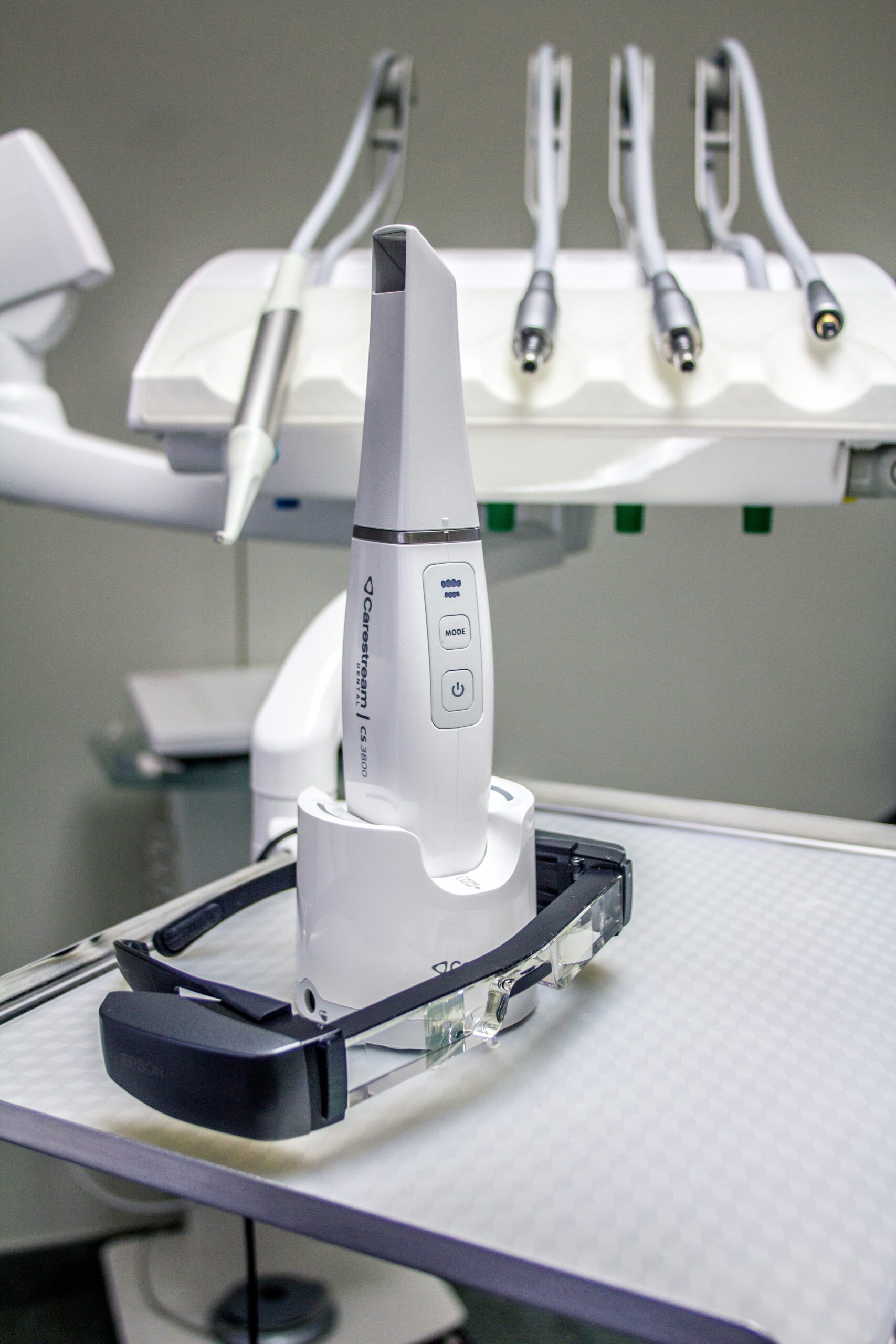
Healthcare organizations invest heavily in medical equipment and specialized facilities. Hospitality companies require attractive properties and furnishings. Retailers need store locations and fixtures. Each industry has unique fixed asset requirements that shape competitive dynamics and entry barriers.
ZCG has invested across multiple capital-intensive sectors including hotels, gaming facilities, manufacturing operations, and distribution networks. This experience provides perspective on how fixed asset strategies affect competitive positioning and financial performance. The firm has approximately $8 billion in assets under management (“AUM”), with portfolio companies operating diverse fixed asset bases across global markets.
Written in partnership with Tom White