
Image credit: Pexels
For years, a common fear surrounding artificial intelligence has been that it will eliminate layers of middle management. Organizations that now experience increased automation through algorithms that handle standard functions have begun to question the need to maintain their conventional management structure.
Yet a growing number of business leaders and technology observers argue that the opposite may be happening. AI does not eliminate middle management roles because it creates new duties for those positions. Machines now perform repetitive analysis tasks and handle operational monitoring, leading more managers to become the primary professionals who understand AI results and manage teams. At the same time, they control changes in business operations.
Why Middle Managers Still Matter in an AI-First Workplace
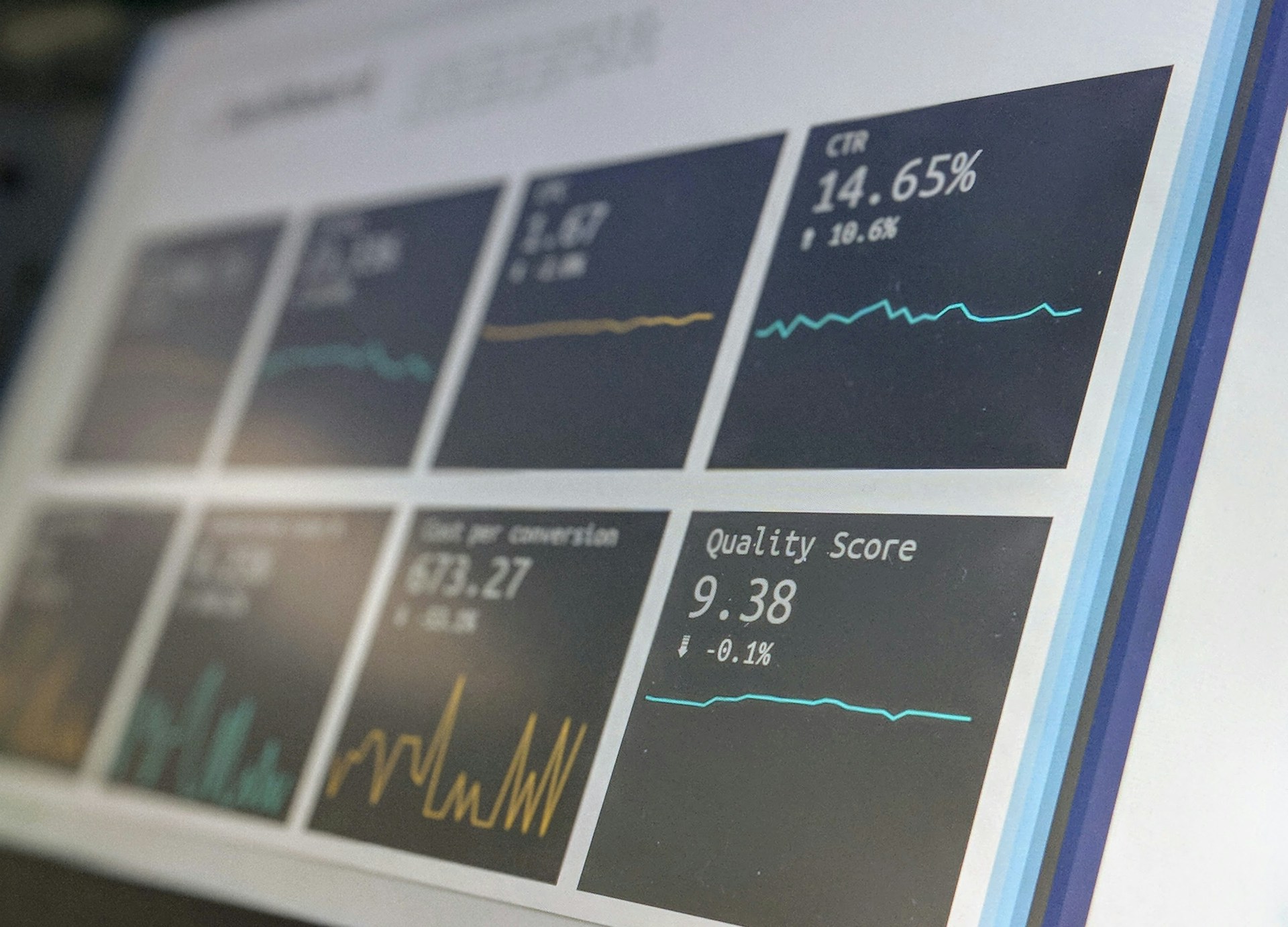
Artificial intelligence excels at processing large volumes of information. It can surface patterns in data, automate routine reporting, and flag potential problems faster than traditional workflows ever could.
However, technology still struggles with ambiguity. Real-world business situations often involve incomplete information, shifting priorities, and human dynamics that algorithms cannot easily interpret.
Middle managers remain essential to close this gap. They connect strategy to day-to-day execution and determine how teams should respond to unexpected issues. While AI can highlight trends or suggest actions, managers decide how to translate those insights into operational choices.
AI as an Amplifier, Not a Replacement
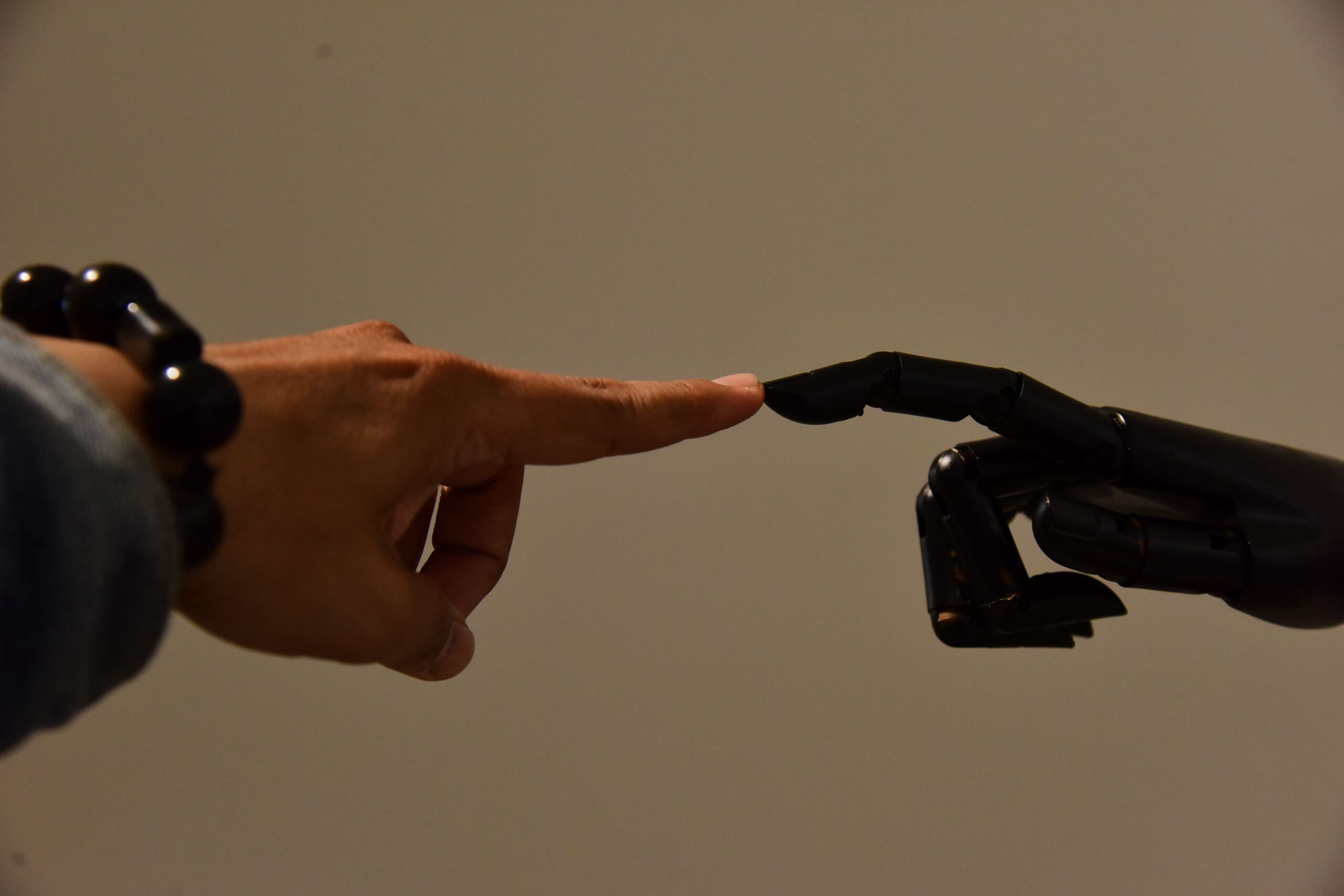
Many technology leaders describe AI less as a powerful enhancement to managerial capabilities and not as a substitute. Niraj Patel, Evangelist at CoForge, sees AI as a tool that expands managerial visibility rather than removing the human element from the process.
“I view it as almost like Iron Man. I got the suit now. The AI is the suit, but it’s making that middle manager so much more agile and see and have the visibility they need at an immediate fashion so they can do something with it.”
The Hidden Risk of Removing Too Much Friction
Despite its benefits, AI introduces a subtle challenge. When systems generate answers instantly, organizations risk weakening the judgment that traditionally developed through hands-on analysis.
Much of managerial expertise comes from manually reviewing data, identifying patterns over time, and observing how decisions unfold in practice. If AI replaces too much of this repetitive process, emerging managers may rely completely on machine outputs without understanding how those conclusions were reached.
This can reduce the depth of decision-making, removing valuable learning experiences if organizations are not careful in integrating AI.
Managers Are Becoming Architects of Thinking
As AI handles more operational monitoring, some industry observers believe managers’ roles will shift toward developing teams rather than supervising every output.
Med Yacoub, former Marketing Director at Tradesk Securities, now serving in an advisory role, believes leadership responsibilities will increasingly center on framing problems and guiding interpretation.
“They will be more of architects. The work will go from overseeing output to shaping context and synthesizing it.”
What Smart AI Adoption Looks Like
Interviews across the industry suggest a practical middle ground for effectively adopting AI. Organizations are implementing AI to automate repetitive tasks and achieve immediate productivity gains. Human judgment serves as a necessary link between the two aspects, helping organizations assess their results and decide which information should guide their operational decisions.
Leaders also emphasize the importance of transparency within AI systems. Managers must have access to underlying data and guardrails that clarify how outputs are generated. The goal is to improve speed and visibility without replacing foundational thinking.
The Long-Term Leadership Challenge
Looking ahead, the larger risk may not be AI replacing managers, but organizations failing to develop future leaders with the judgment to question automated recommendations. If the next generation of managers becomes overly dependent on algorithmic outputs, companies may struggle to maintain independent thinking in complex decision-making.
Final Thoughts
The future of artificial intelligence suggests that middle management is unlikely to disappear; instead, it will evolve. As automation handles routine tasks, the most efficient managers will be those who combine AI-generated insights with experience, context, and critical thinking.