
The June 2 election calls on Angelenos to make decisions that will shape LA for years to come. From mayoral candidates to ballot measures, here’s what to know before casting your ballot.
The scale of this ballot is larger than many in the history of Los Angeles. Residents are being asked to weigh in on their mayoral candidate, tax measures, council seats, and more. There’s a lot to cover, and not a lot of time to do it in. Your best bet to get everything you need is to review an in-depth voter guide. Here’s a quick breakdown of what to expect this June.
The Mayoral Election Is Likely Just a Primary
If you’ve been watching debates, tuning in for town halls, and reading op-eds by the city’s mayoral candidates, you may think June 2 is the end-all, be-all of the election. But the reality is that election day is likely just a primary decider. To win the vote outright, a candidate will need to get more than 50% of the vote. With 14 candidates in the running, that probably won’t happen.
What’s more probable is that this June will shape who gets to the final round. The top two finishers in the June election will advance to a November 3 runoff. As of this publication, the incumbent, Mayor Karen Bass, is polling at 25%, with her top two contenders in the mid-teens. This news is good. It means you, the voter, get to decide on your favorite candidate, and then see how the pressure over the next few months shapes them.
The Candidates Will Have to Cover Top Issues
Of course, deciding on your favorite isn’t always easy, and in the case of the June 2 election, it’s truly challenging. The mayoral candidates have to focus on issues that can make or break the lives of their constituents. The candidates’ positions on these topics are where the distinctions among them lie.
Wildfire Recovery and Emergency Preparedness
The Palisades Fire and the Eaton Fire in January 2025 have brought the issue of wildfire response and recovery and emergency preparedness to the forefront for residents across the county. 30 people lost their lives and hundreds more have been affected in ways big and small. Many who lost their homes still haven’t been able to rebuild.
Homelessness and Housing Affordability
The city has spent more than $1 billion per year on homelessness responses in recent years, with the support of locals who want to see this problem solved. And yet more than 43,000 men, women and children remain unhoused in Los Angeles. The crisis has become a visible one to virtually every resident, in virtually every neighborhood, across the county. The scale of what’s happening is going to be front and center on the ballot.
Public Safety
Los Angeles is actually seeing a drop in crime rates over the last few years, specifically homicides, but the perception of people living in the city is different from the reality. Many people don’t feel safe walking the streets, even during the day, with homeless encampments, public drug use, and streets filled with trash. Plus, when residents do call for help, they feel the response times are slow. The candidates, of course, are divided on how to address the problem.
The 2028 Olympics
Regardless of who wins in November, the Games are coming in July of 2028, which will bring a lot of attention and potentially revenue to the city. How the city prepares for this event, and who benefits from that preparation, has become a central question of policy and the role of government in the lives of everyday people.
City Council Races Are Also Attention Getters
While the mayoral contest gets the bulk of the attention in the media, who sits on the city council actually shapes daily life in each district more directly than pretty much any other elected position. Your city councilmember will make land use decisions, pass zoning laws, respond to the homeless crisis, and prioritize neighborhood services.
This election cycle, multiple council districts have contested races, and the winners will make up the primary legislative body that will impact residents’ lives, both personal and professional, for the next several years. Voters who live in the city should check which district they’re in before June 2. You can start with this district finder.
The Ballot Measures Will Hit You in the Wallet and Impact Your County’s Services
Often, voters don’t pay much attention to ballot measures because they’re lengthy, there are too many to track, and they’re written in legalese (dense and boring). But this election cycle’s ballot measures will take a big toll on LA residents, both financially and socially.
Measure ER: The Essential Services Restoration Act
Measure ER will raise sales tax across the county by one-half cent for the next five years. This plan projects revenue of approximately $1 billion per year, which will go to restore services that have been eliminated due to federal healthcare cuts.
Residents have already seen county hospitals and clinics close and their own Medi-Cal services cut. This measure requires a simple majority to pass and will affect every voter in LA County through their pocketbooks.
Proposition CB
A yes on Prop CB will extend existing cannabis business taxes to unlicensed cannabis operators. Currently, it is only licensed sellers who pay this tax. This proposition would close that loophole and generate more revenue for the city.
Proposition TC
Currently, online travel platforms are taxed at the wholesale discounted rates, a kind of loophole for big businesses. This proposition would close it, taxing all these platforms at the city’s hotel tax rate. Online booking platforms would essentially become like any other accommodation business in the city.
Proposition TT
Also related to travel and hospitality, Prop TT aims to increase the hotel tax for the next two years, through 2028, to target visitors coming to LA for the Olympic Games. The plan is to raise the tax by 2% for the first two years. After the Games, the tax will drop by 1% and continue on indefinitely thereafter. The goal is to raise approximately $44 million annually in revenue through 2028 and $22 million per year after that. The money would ostensibly go toward city services.
Showing Up on June 2 Isn’t Your Only Shot to Vote
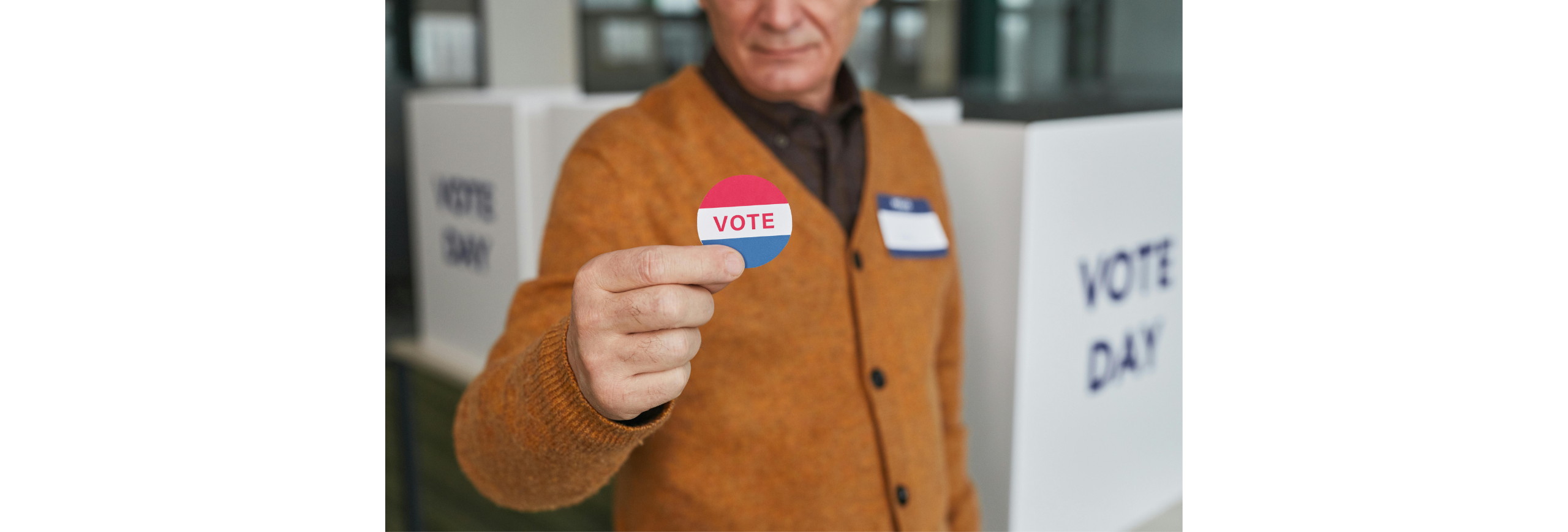
Finally, it’s critical that voters understand that showing up in person on June 2 isn’t the only way to make your voice heard. You have several other options.
- Voting centers will open before Election Day to make early in-person voting available.
- You can vote by mail if you’re eligible. Be sure to request a ballot in advance and return it by June 2, at a drop box or in the mail. You can then track the status of your mail ballot online.
- Residents who miss the standard registration deadline can still conditionally register and cast a ballot at a vote center in LA County on or before Election Day.
In light of these options, be sure to look up your specific district, vote center, and drop off location ahead of time, so you can make your vote count.
June 2 Is Neither the Beginning Nor the End
Ultimately, voters need to know that voting starts now, or before now, in your research, conversations with friends, and preparation for election day. And June 2 is only the filter for what comes next. You’ll have to vote again for your city, county, state, and country in November.
Going in informed, even if you just have the basics of the primary and the ballot, can make a real difference in low-turnout elections like this one, where every single vote really does carry extra weight.
Written in partnership with Tom White