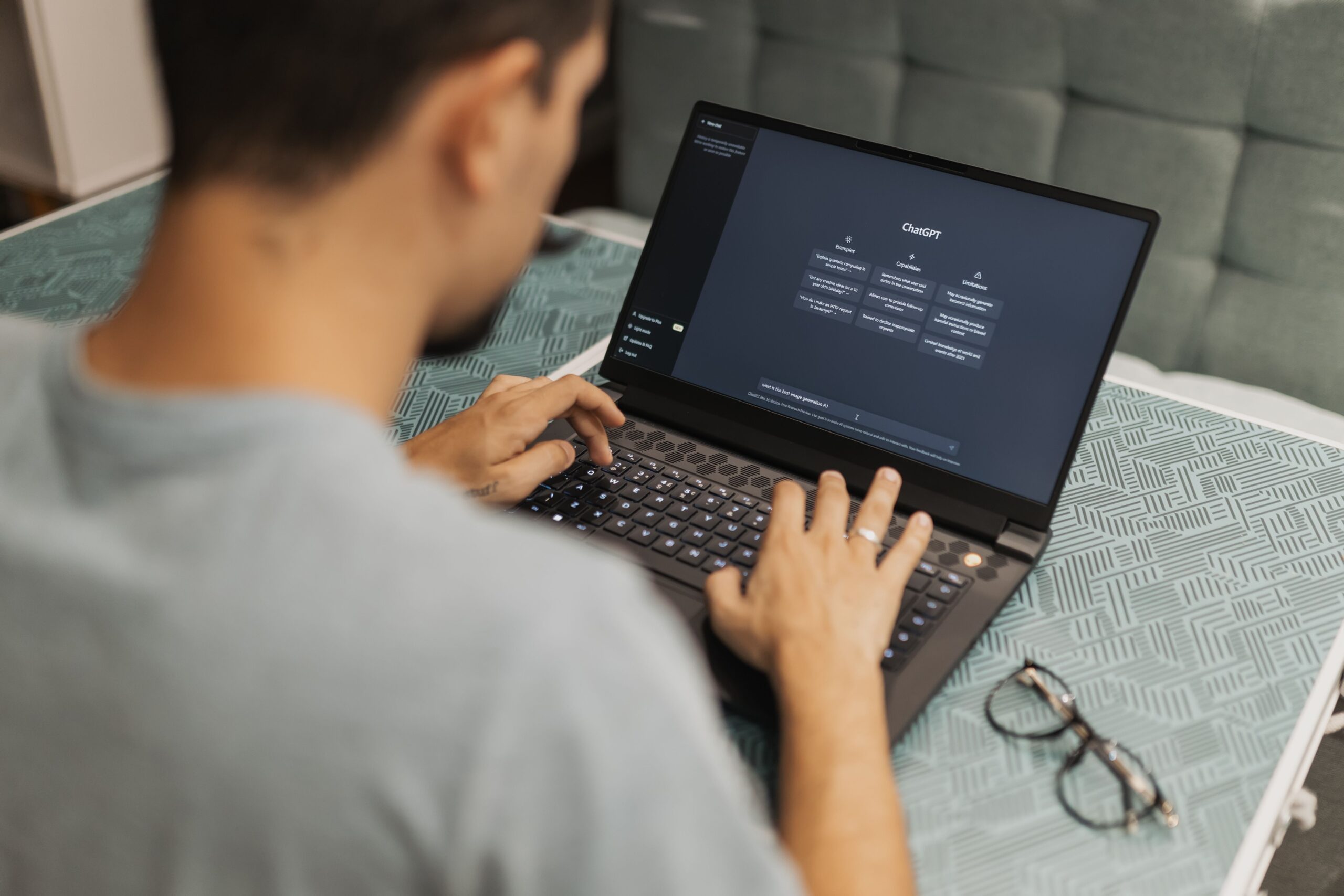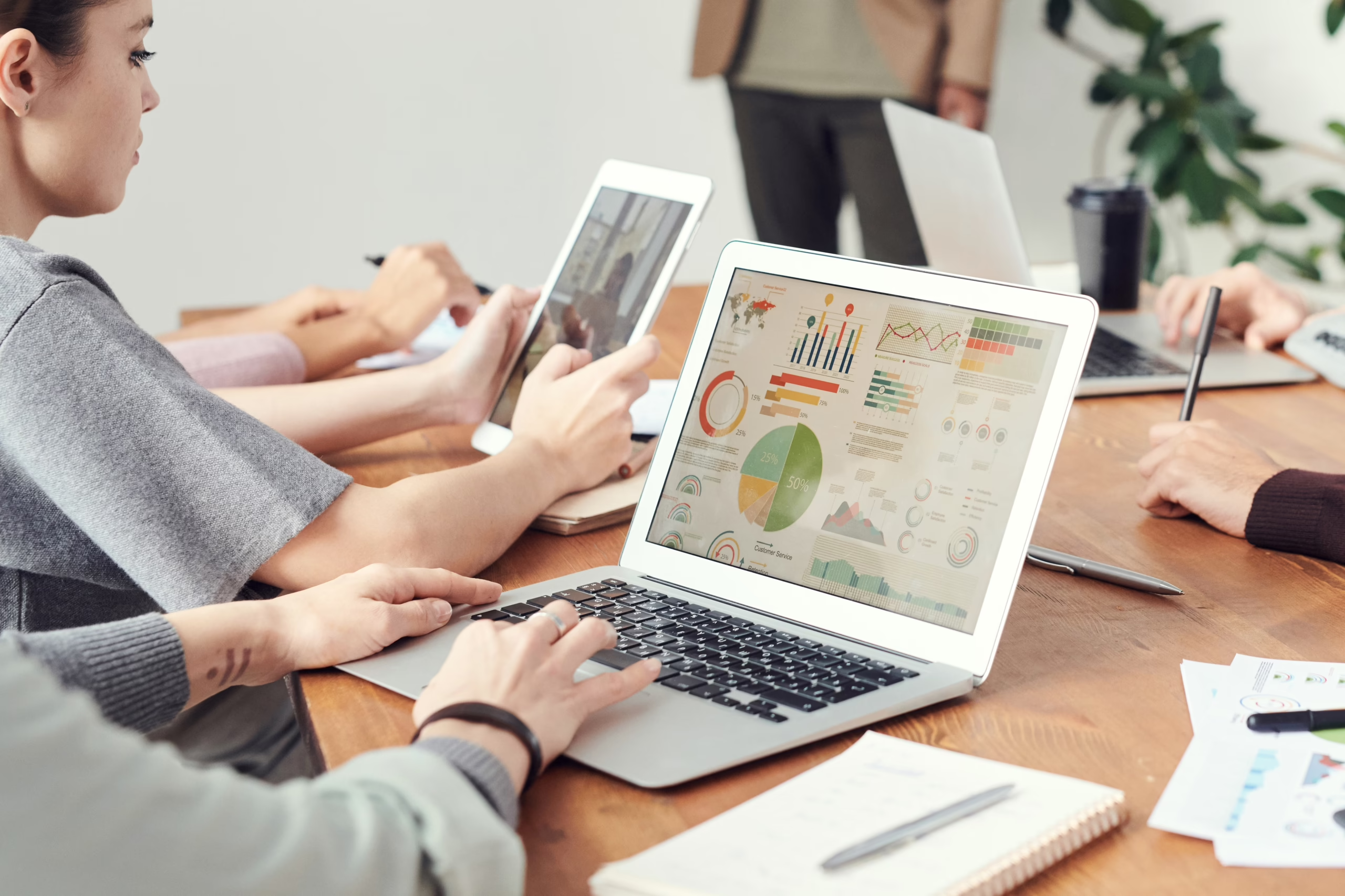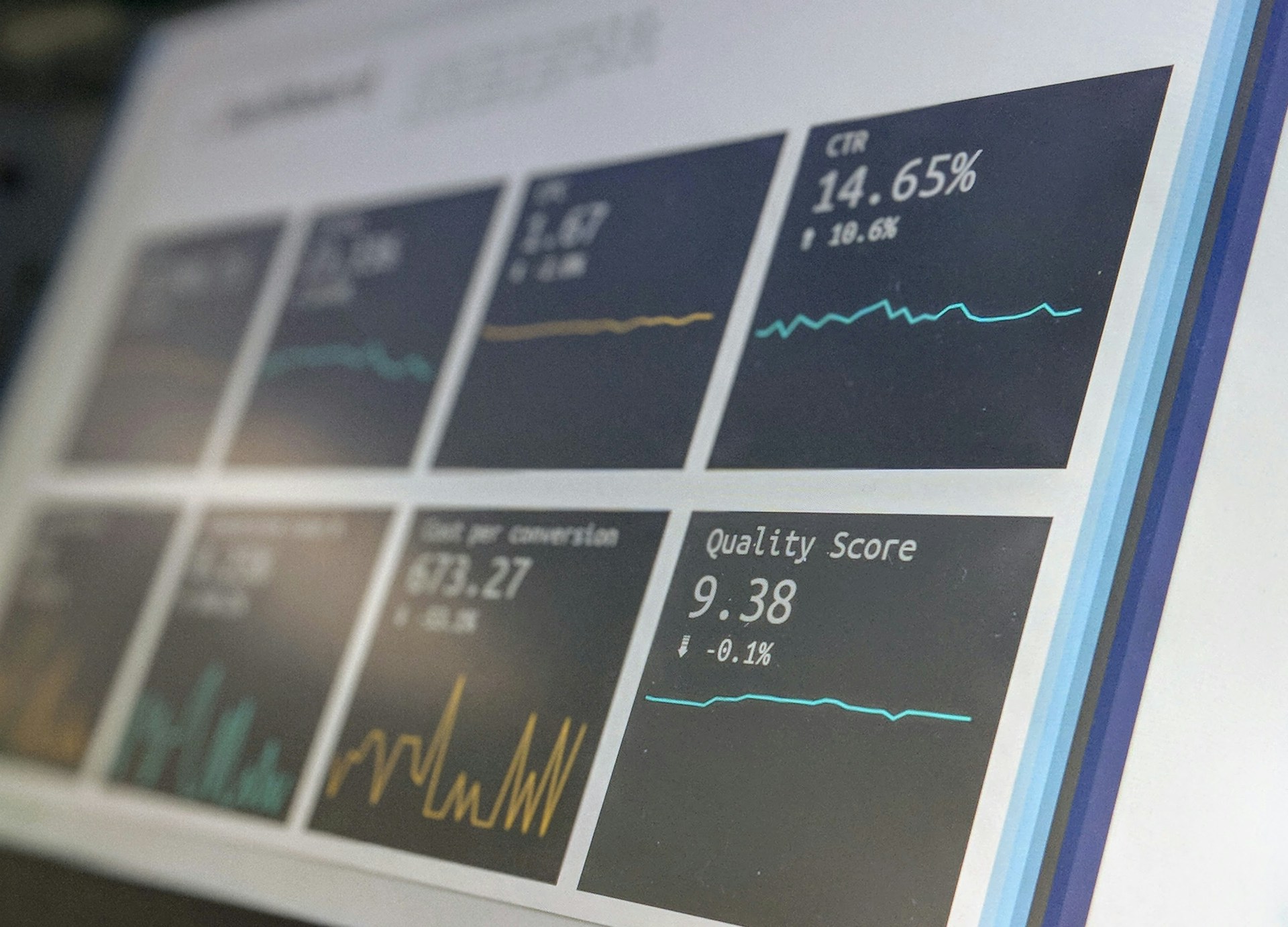

Over the past several years, new technological tools have been introduced and integrated into workflows at a steadily increasing rate. In this modern climate, companies are under an immense amount of pressure to move faster, reduce repetitive work, and stay flexible as demand, workflows, and tools change. To this end, adaptive workspaces have become environments where technology supports real-time adjustment rather than static processes.
For such adaptation to be effective, it must both be built around AI-enabled knowledge work and AI-driven automation, taking full advantage of these new systems and combining them with years of experience and expertise.
Paul Lunow, CTO at Vention, sees this moment less as a tooling upgrade and more as a redefinition of how teams actually operate. “If your team is not equipped with the psychological safety to experiment with AI and learn what the tool can actually do, most of your projects will fail,” he explains.
Adaptability, in this context, is not about adopting new platforms, but about creating an environment where teams can test, learn, and integrate those tools in a way that compounds over time.
What Makes a Workspace Truly Adaptive
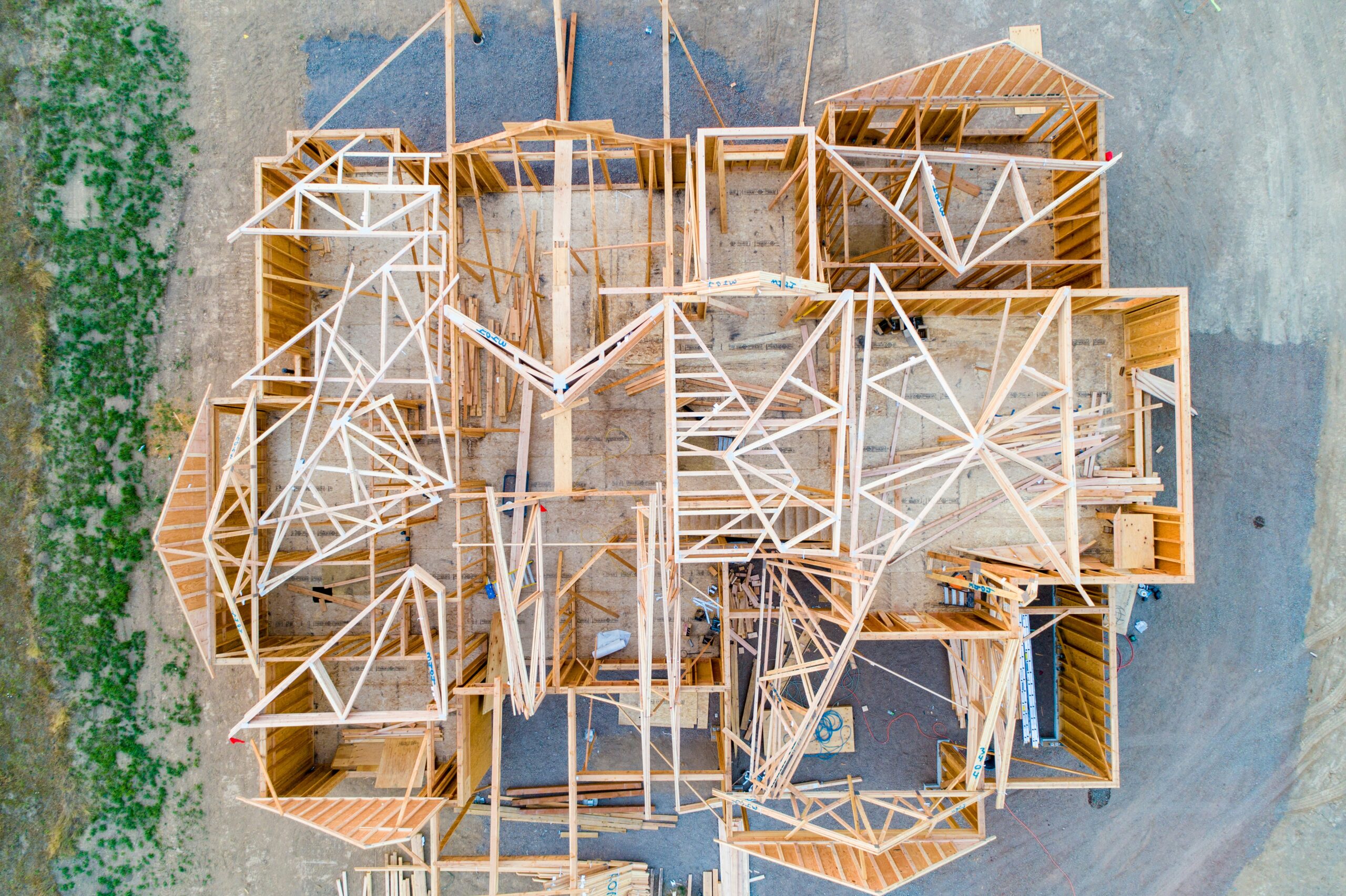
An adaptive workspace is a system that helps teams respond to new demands without having to rebuild everything from scratch. Metaphorically, an adaptive workspace is a house built with the intention of further alterations being made down the line, leaving enough room and flexibility for things to change substantially in the coming years, rather than one that is absolutely set in its ways.
The latter of these would necessitate an entirely new foundation and superfluous amounts of work in order to effectively rebuild things from the ground up. By remaining adaptable, these systems can evolve with the times in a potent fashion.
For Lunow, adaptability begins with structure, not improvisation. “We see a lot of teams in what I call single-player mode,” he says. “Everyone is experimenting on their own, but that doesn’t translate into team-wide improvement.”
It becomes effective when that experimentation is shared, standardized, and built into how the team operates on a daily basis.
The strongest examples of adaptive workspaces often combine things like flexible tools, measurable workflows, human oversight, and cultural readiness. However, it is important to note that adaptability is not just about deploying new tech but about making it usable across teams.
AI in Digital Work
Even today, years after its initial integration in most professional spaces, many organizations still use AI in fragmented, informal ways. This can yield far fewer results and ultimately defeat the entire purpose of AI integration in the first place, which is why structured adoption has proven to be essential.
Vention is one example of a company helping teams systematize AI use in engineering environments. Through their work, the team has found that AI can reduce effort on repetitive tasks by 90% and boost overall productivity by 15%, but only with a structured adoption process. The company’s 5-stage framework guides clients from individual experimentation to team-wide adoption, leveraging the global project experience of its 3,000 engineers.
Lunow says, “If your team does not or is not equipped with the psychological safety to experiment with AI and to learn what the tool is able to do and whatnot and how to tackle that as a team, then most of your pilots and most of your projects will just fail.”
Automation in Manufacturing: Adaptability on the Factory Floor
Of course, when it comes to physical operations, adaptability has a whole different set of criteria. Adaptability on the factory floor means being able to change production quickly as customer preferences shift. Because of this, manufacturers can face extreme levels of volatility in packaging, production needs, and labor demands. “You could be running one product one day, and the next day your customer changes their mind completely,” Brian Jaworski, Senior Solutions Engineer at Formic, explains. “That forces a full adjustment in how things are produced. The consumer is really driving all production. That can mean changing packaging, adjusting how products are handled, or rethinking entire workflows.”
This constant variability makes adaptability a requirement for staying operational, not just a strategic advantage.
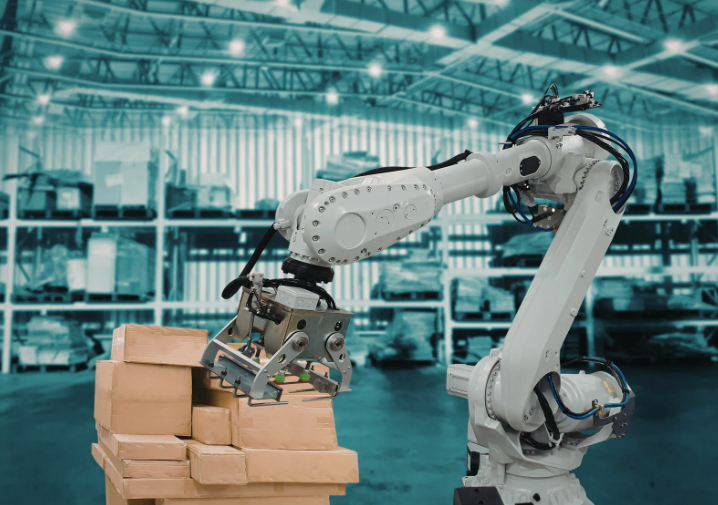
Formic is an example of a company approaching this through the deployment of flexible robotics rather than large, fixed investments. The team’s RaaS model, with commitments as short as 3 months, provides the flexibility manufacturers need to adapt to rapid consumer-driven changes without the risk of large, sunk capital investments. These robots also eliminate monotonous or even dangerous tasks, with the ability to reduce injuries and upskill operators into robot programmers.
“I don’t think anyone is bringing in robotics to remove people,” Jaworski explains. “It’s about eliminating the monotonous and dangerous tasks so employees can focus on higher-value work.”
In many cases, the effect is measurable. “We’ve seen strains and injuries go down significantly,” Jaworski adds.
Formic’s model is designed to remove the friction that typically slows those adjustments. “We can offer automation equipment with as little as a three-month commitment,” Jaworski says. “It allows companies to build confidence and adapt without making massive upfront investments.”
Reporting a 96% renewal rate, Formic reflects how quickly manufacturers expand once these systems prove effective in real-world conditions.
Final Thoughts
Whether in digital sectors or in physical manufacturing, adaptive workspaces are not about replacing workers but instead about helping teams respond to change with less friction. The future belongs to organizations that blend automation with human creativity, safety, and structured implementation. Through these methods, the best adaptive systems are not just efficient; they are resilient.
At its best, adaptability does not remove people from the process. It changes the nature of their work.
“Let the teams focus on what they do best,” Jaworski says. “Companies can handle the repetitive side so their people can stay creative and productive.”