
The independent governor candidate behind California 2.0 is making a closing argument for voters who want something more practical, transparent, and independent than politics as usual.
As California voters prepare to make their choice, most campaigns are making their final push. Some are leaning on party loyalty. Some are leaning on name recognition. Some are leaning on outrage.
Jon Henderson is leaning on something different: the idea that California can work.
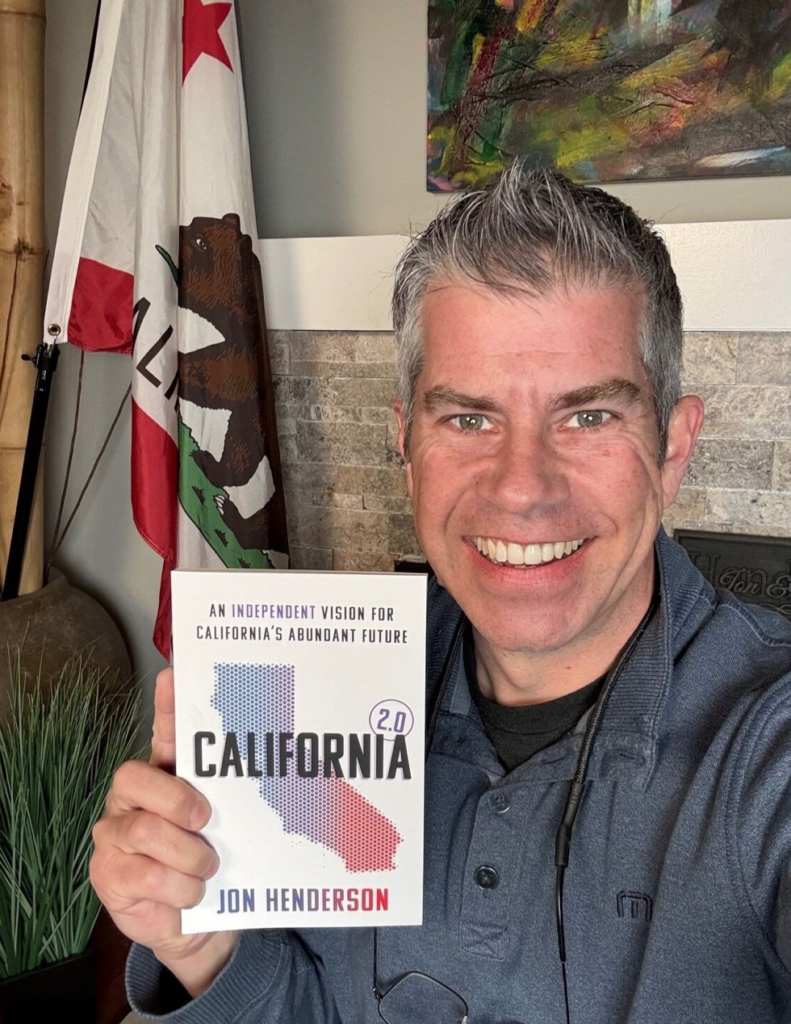
Henderson, an independent candidate for governor, has spent this race trying to reach voters who feel politically homeless. These are Californians who do not see themselves in the extremes, who are tired of choosing between party machines, and who want the government focused less on performance and more on results.
That message may be easy to overlook in a crowded election. But as Election Day approaches, it is the kind of message voters should be paying attention to.
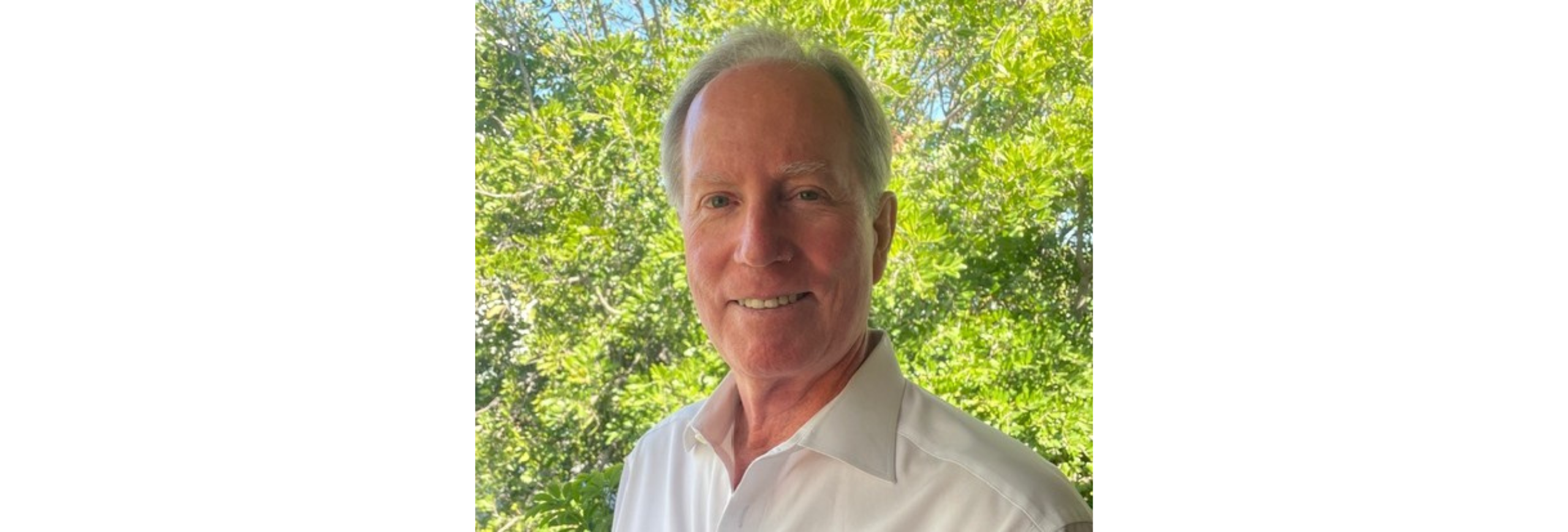
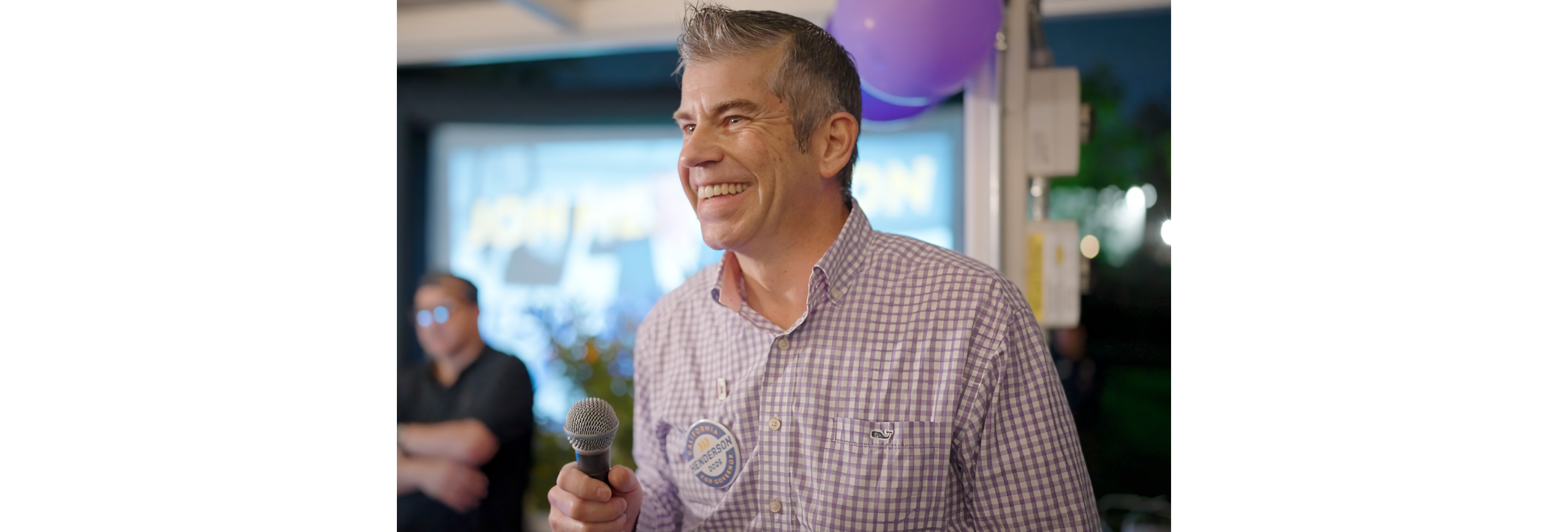
Henderson is a California business owner, financial advisor, founder and Chief Investment Officer of Echo45 Advisors, and author of California 2.0: An Independent Vision for California’s Abundant Future. His campaign is built around a simple question: what would California look like if the government acted with the same duty, transparency, and accountability expected of a fiduciary?
“I have spent my career helping families make long term decisions,” Henderson says. “My job is to put their interests first. I think the California government should be held to that same basic standard.”
That framing is what separates Henderson from the usual political conversation. He is not promising that one party has all the answers. He is arguing that the state’s biggest problems are too serious to keep filtering through partisan incentives.
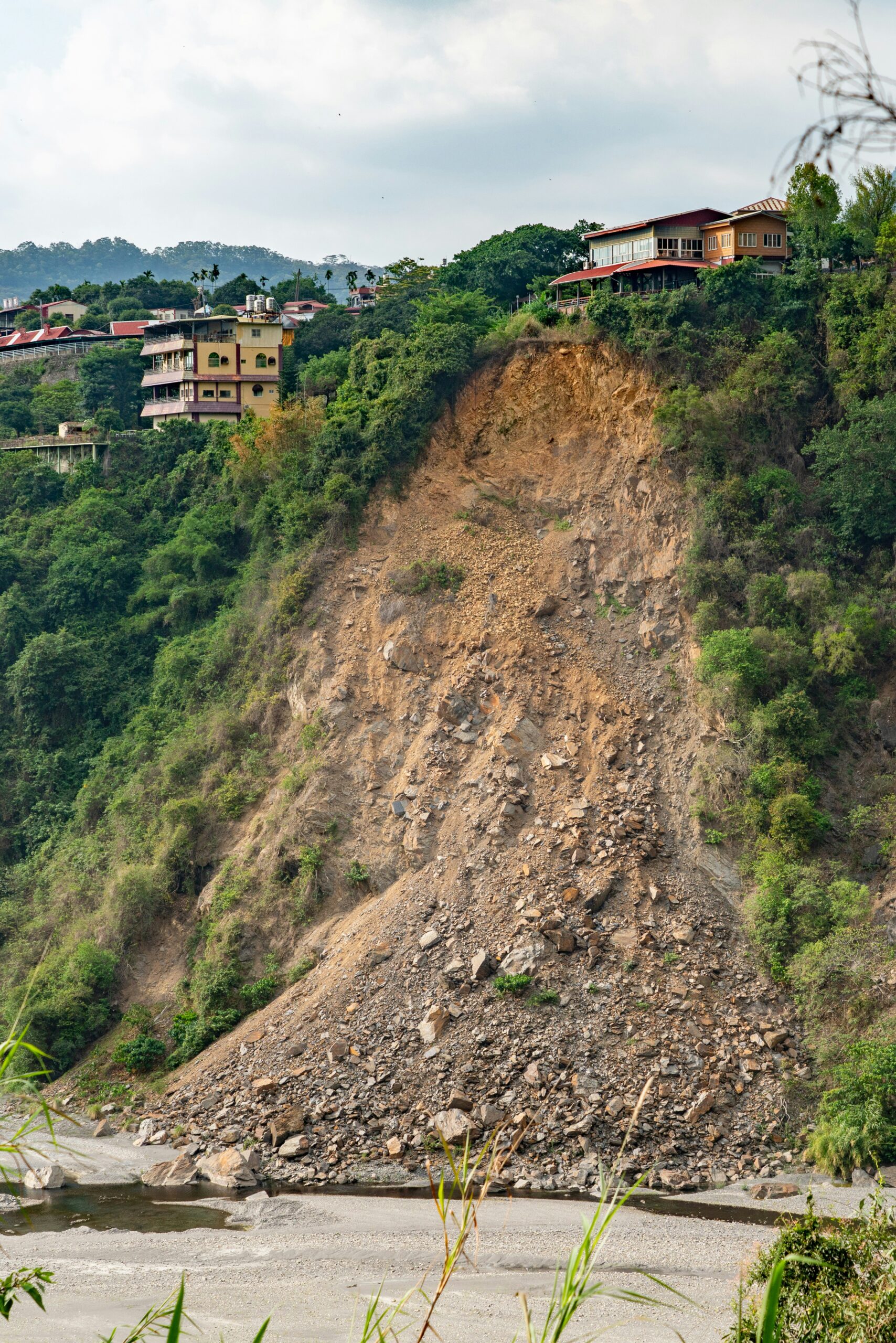
Housing, homelessness, wildfire risk, affordability, public trust, and the cost of a government that too often fails to deliver are not theoretical issues. They shape where people live, whether businesses stay, whether families can plan for the future, and whether young Californians believe there is a place for them here.
For Henderson, the answer begins with building.
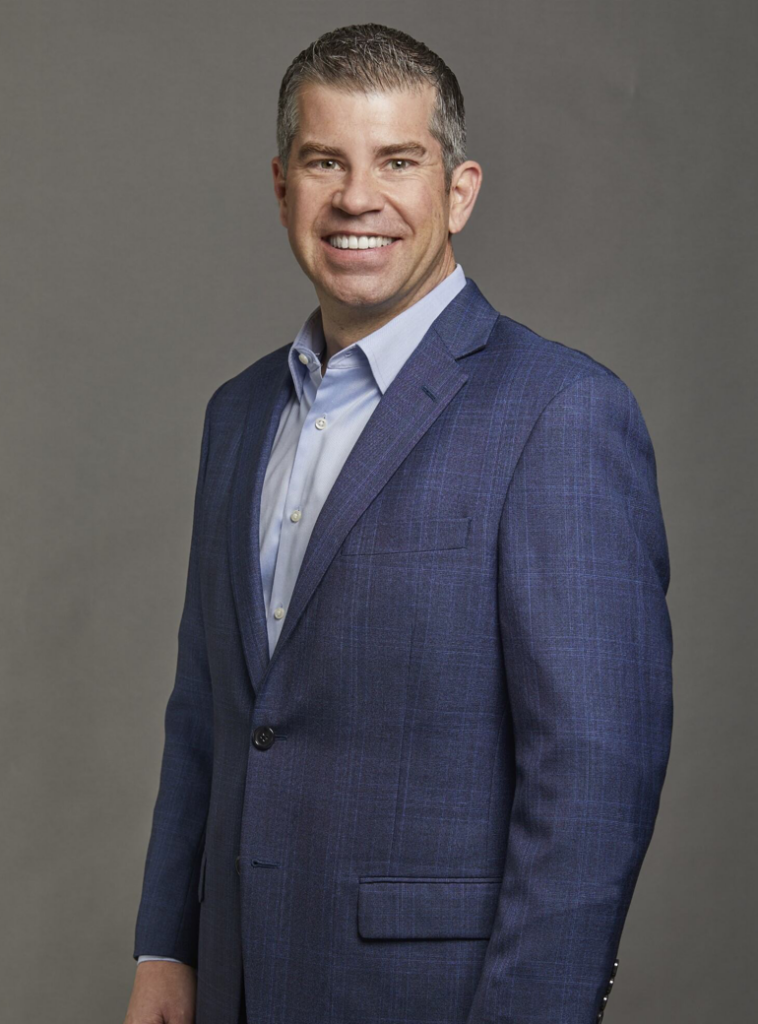
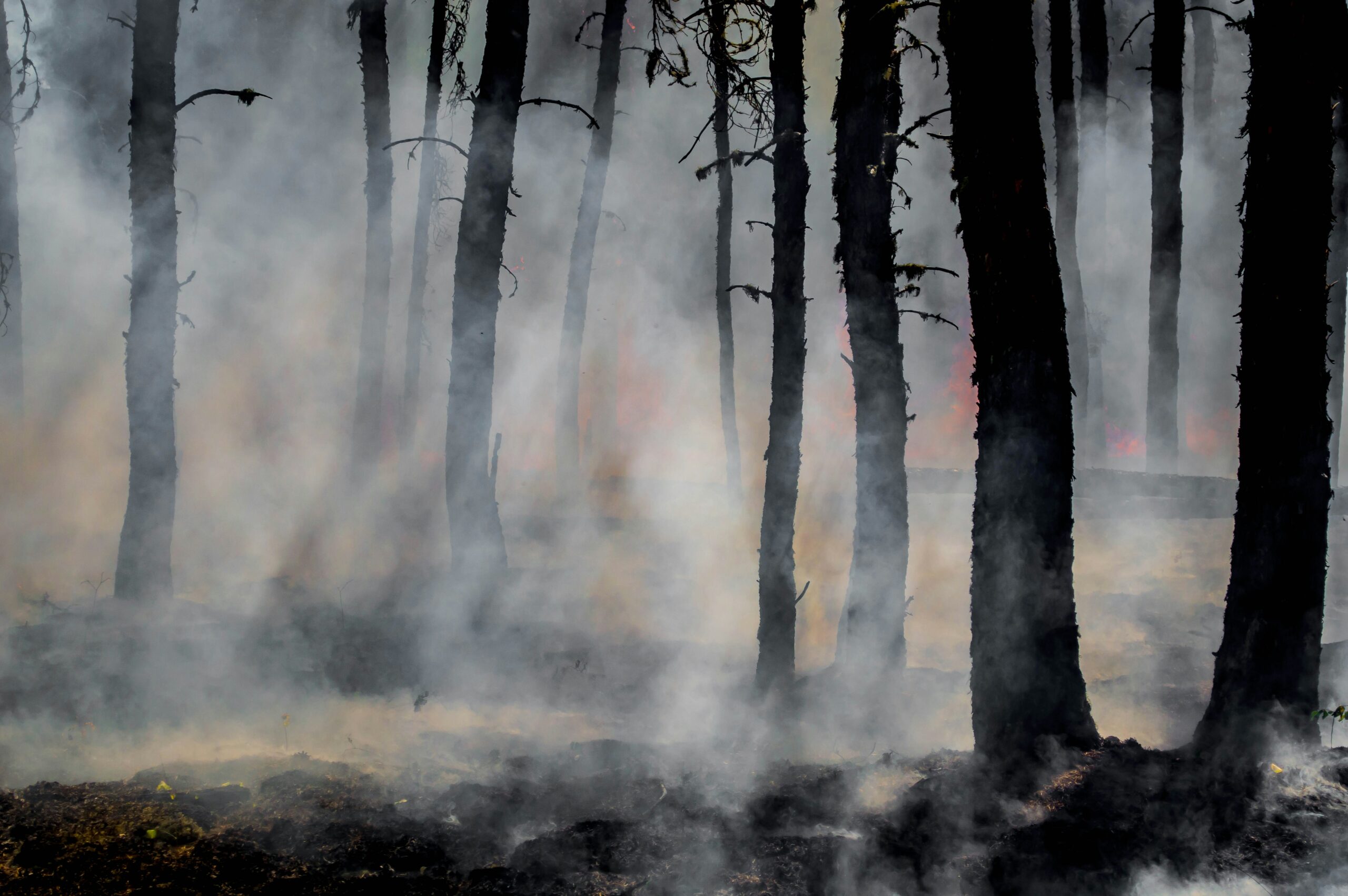
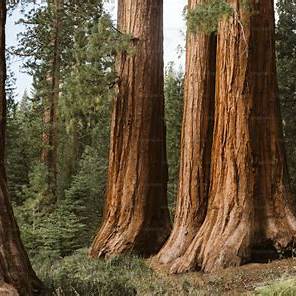
His book proposes connecting two of the state’s most urgent challenges: wildfire risk and housing. Henderson argues that California can reduce dangerous forest fuel while creating materials for housing through mass timber. In other words, the state can clear what makes fires worse and use it to help build what people desperately need.
“California has treated wildfire prevention and housing like separate problems for too long,” Henderson says. “I see them as connected. We can clear dangerous fuel from our forests, turn that material into homes, create good jobs, and lower long term risk for families. That is the kind of practical government Californians should expect.”
It is the kind of proposal that reflects the broader theme of Henderson’s campaign. He is less interested in symbolic fights and more interested in practical systems that solve more than one problem at once.
That same thinking runs through his housing platform. Henderson says California’s housing crisis is not caused by a lack of demand, talent, capital, or imagination. It is caused by delay, permitting dysfunction, outdated zoning, endless process, and a culture that often treats paperwork as progress.
His answer is faster permitting, CEQA reform, ADUs, modular housing, better use of public land, mass timber construction, public dashboards, and incentives for cities that actually deliver housing.
He also believes the state must respect local realities without allowing local control to become a permanent excuse for inaction.
“I support local control, but I support local control that builds,” Henderson says. “Cities should have a voice, but they should also be accountable for results. I care more about homes delivered than binders produced.”
That is a message that could resonate across the political spectrum. Californians may disagree on ideology, but most agree that the current system is not producing enough homes, fast enough, at prices ordinary people can afford.
Henderson’s campaign also leans heavily into transparency. He has called for stronger conflict of interest rules, blind trusts for elected officials, public dashboards for spending, and blockchain based accountability. Whether every voter agrees with each proposal, the underlying concern is hard to dismiss: Californians do not trust the government because the government has not earned that trust.
“If people can track a pizza delivery in real time, they should be able to track what the government is doing with their money,” Henderson says.
With the election just days away, Henderson’s closing argument is becoming even more urgent.
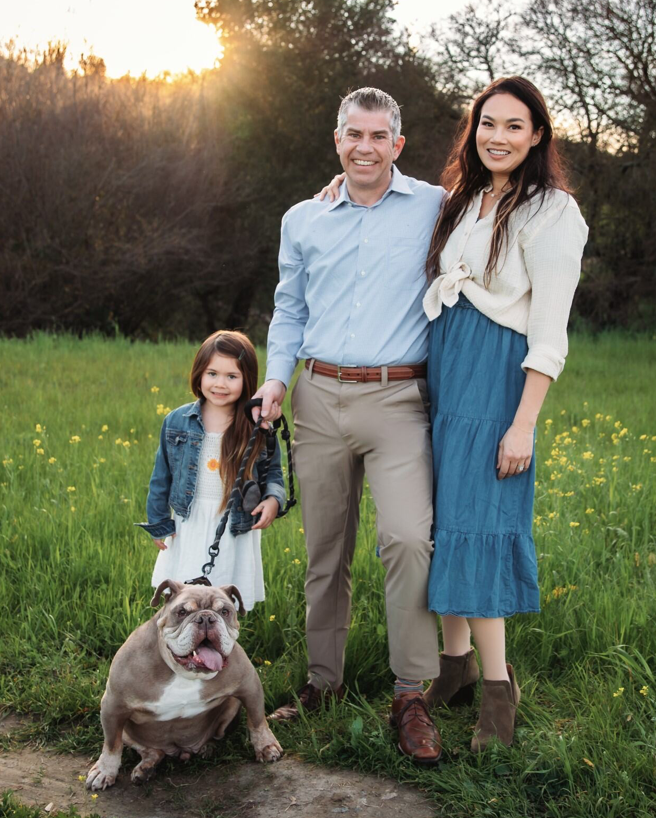
Voters must decide whether they want to keep rewarding the same political structure that helped create the problems they now want solved. Henderson’s case is not that he fits neatly into the existing system. It is that the existing system needs to be challenged.
He is not a career politician. He is not running as a party loyalist. He is not trying to become the loudest person in the race. He is making a more specific argument: California needs leadership that is independent enough to tell the truth, practical enough to build, and accountable enough to put the public first.
“People are tired of voting against someone instead of for something,” Henderson says. “California 2.0 is for the people who want to be proud of what they are building. It is for Californians who still believe this state can lead.”
That may be the clearest pitch of Henderson’s campaign. California does not have to accept decline as normal. It does not have to keep choosing between outrage and inertia. It can choose something more independent, more practical, and more focused on results.
For voters still undecided, Jon Henderson is making the case that rebuilding California starts with refusing to settle for the politics that broke trust in the first place.
Written in partnership with Tom White