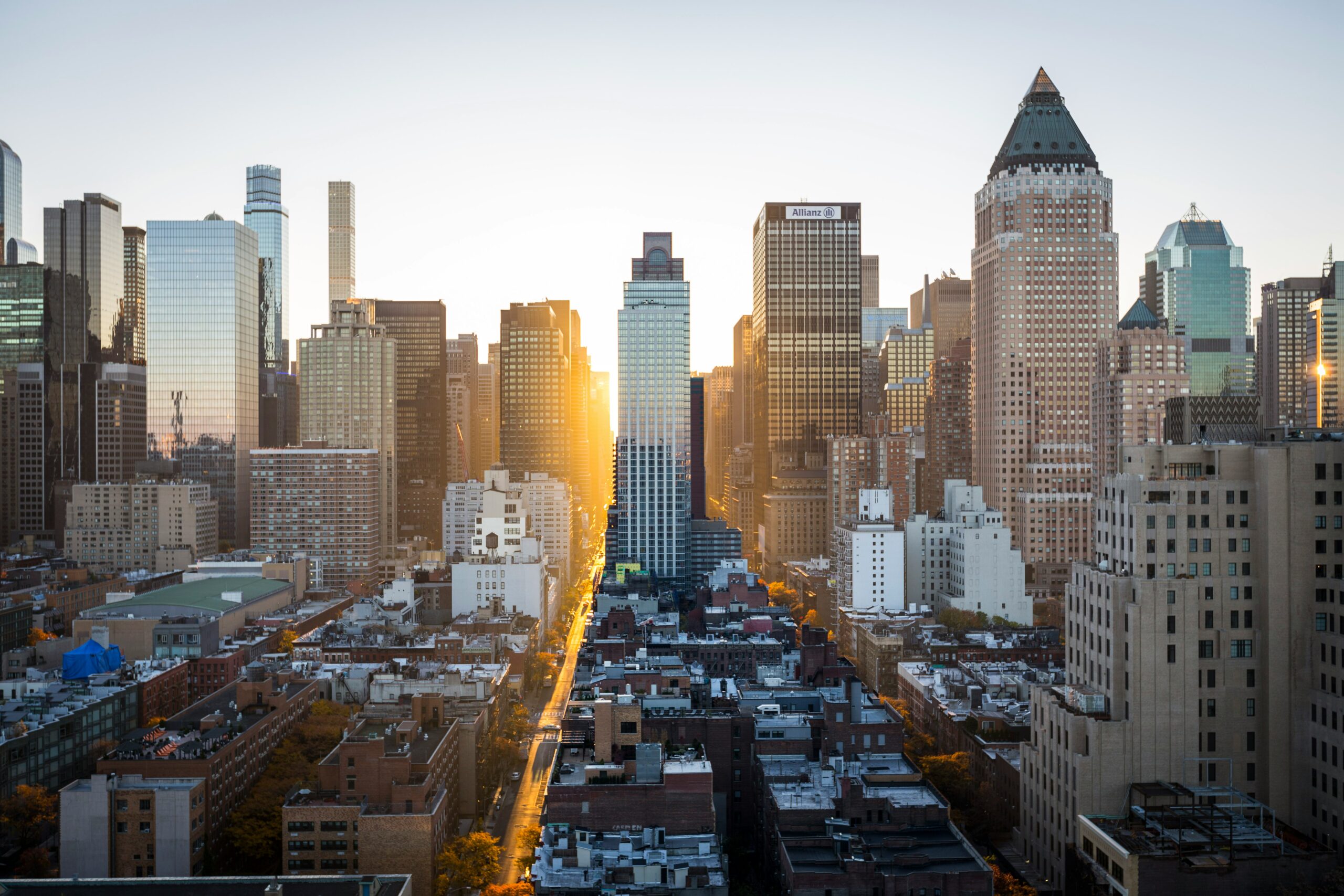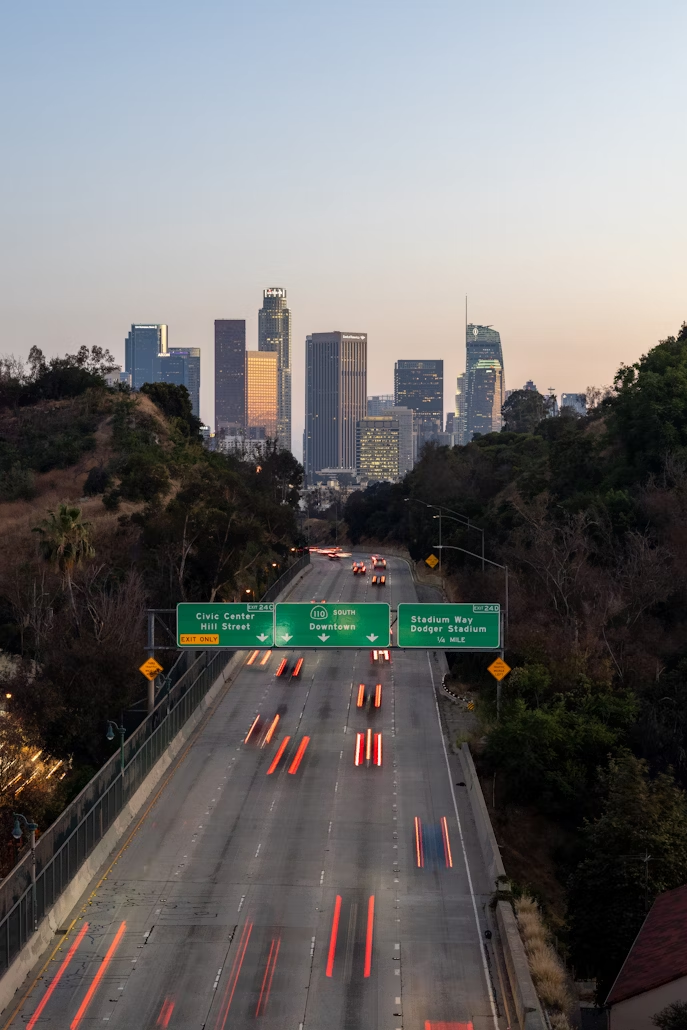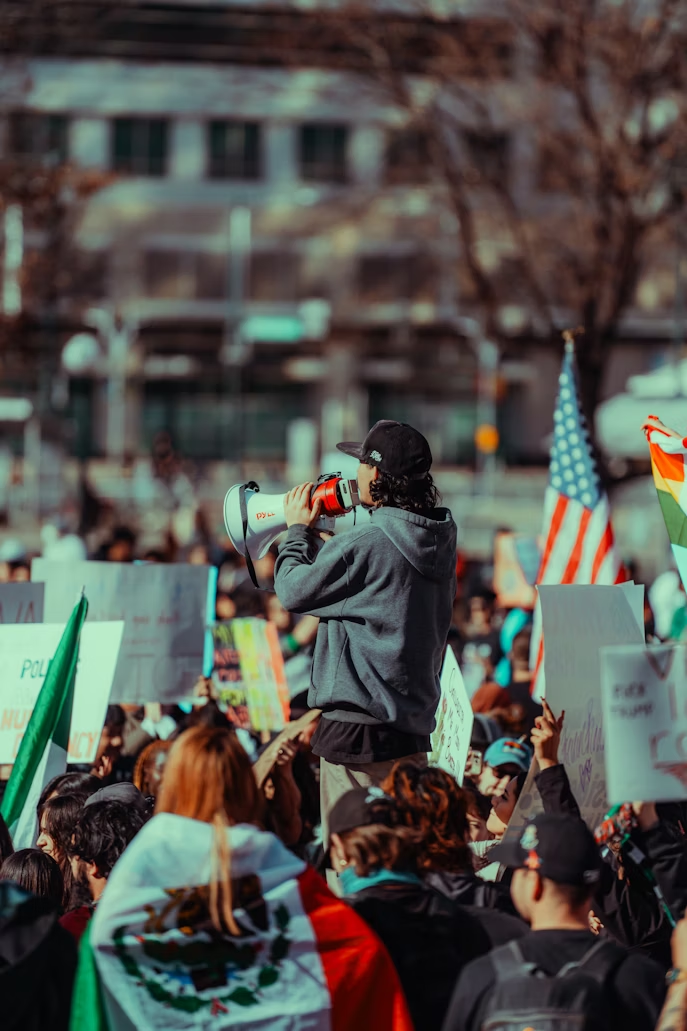

Crime in Los Angeles is in decline, and yet it’s one of the biggest issues going into November’s election. Here’s a breakdown of how this hot topic is playing out on the city’s streets.
Politicians talk about safety, and they read numbers from reports, but residents in Los Angeles simply don’t feel safe right now. Maybe their friend moved to a “safer” city. Perhaps their favorite store got trashed. In any event, crime is at the top of their minds, and they want to know what the next candidate they elect is going to do about it.
This sentiment is strong across the city, in virtually every neighborhood. LA residents can agree on this one thing: they want to feel safe in their homes and on their streets, and this November will decide who gets to help make that happen.
Public Safety: The Top Priority

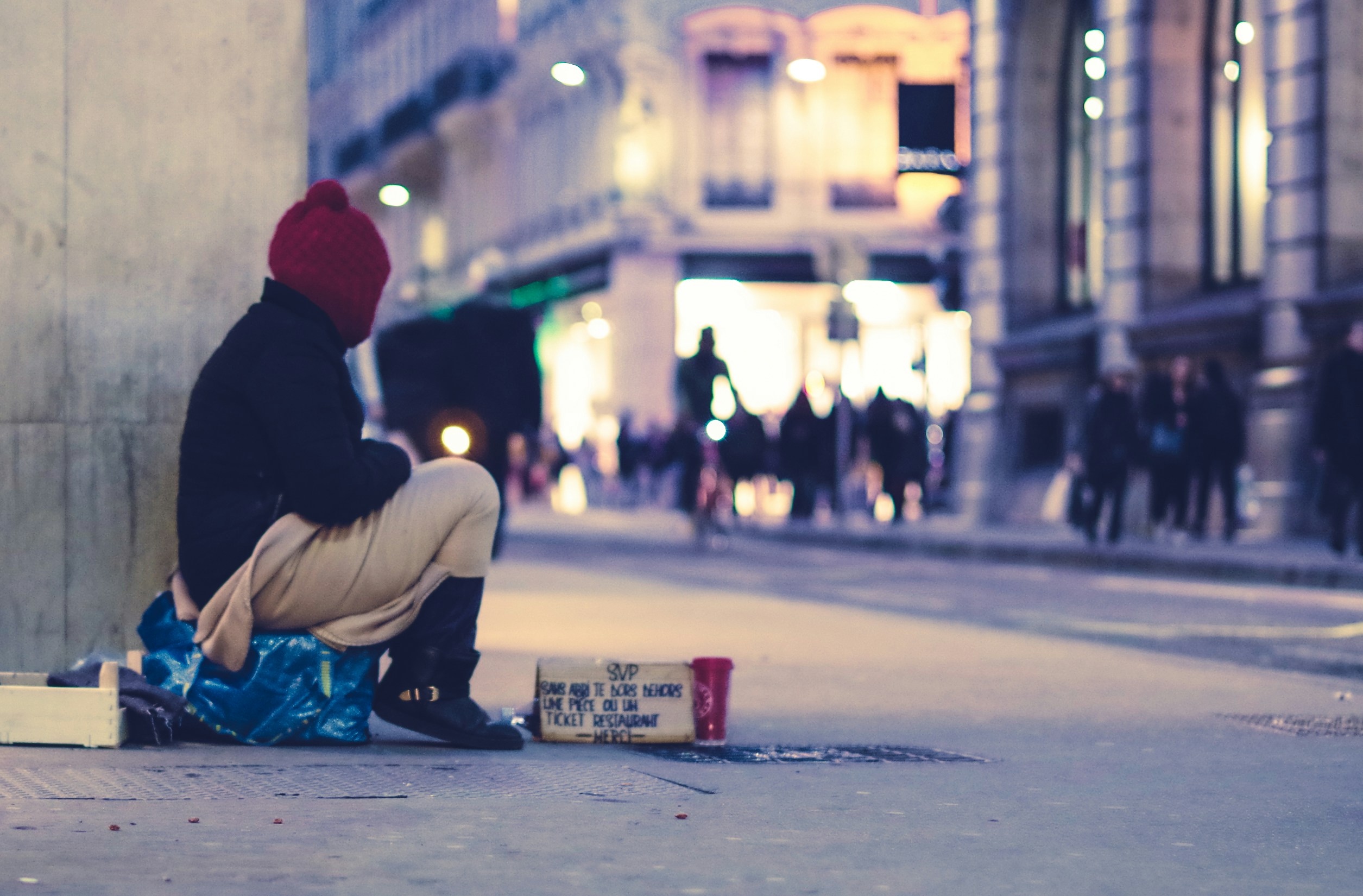
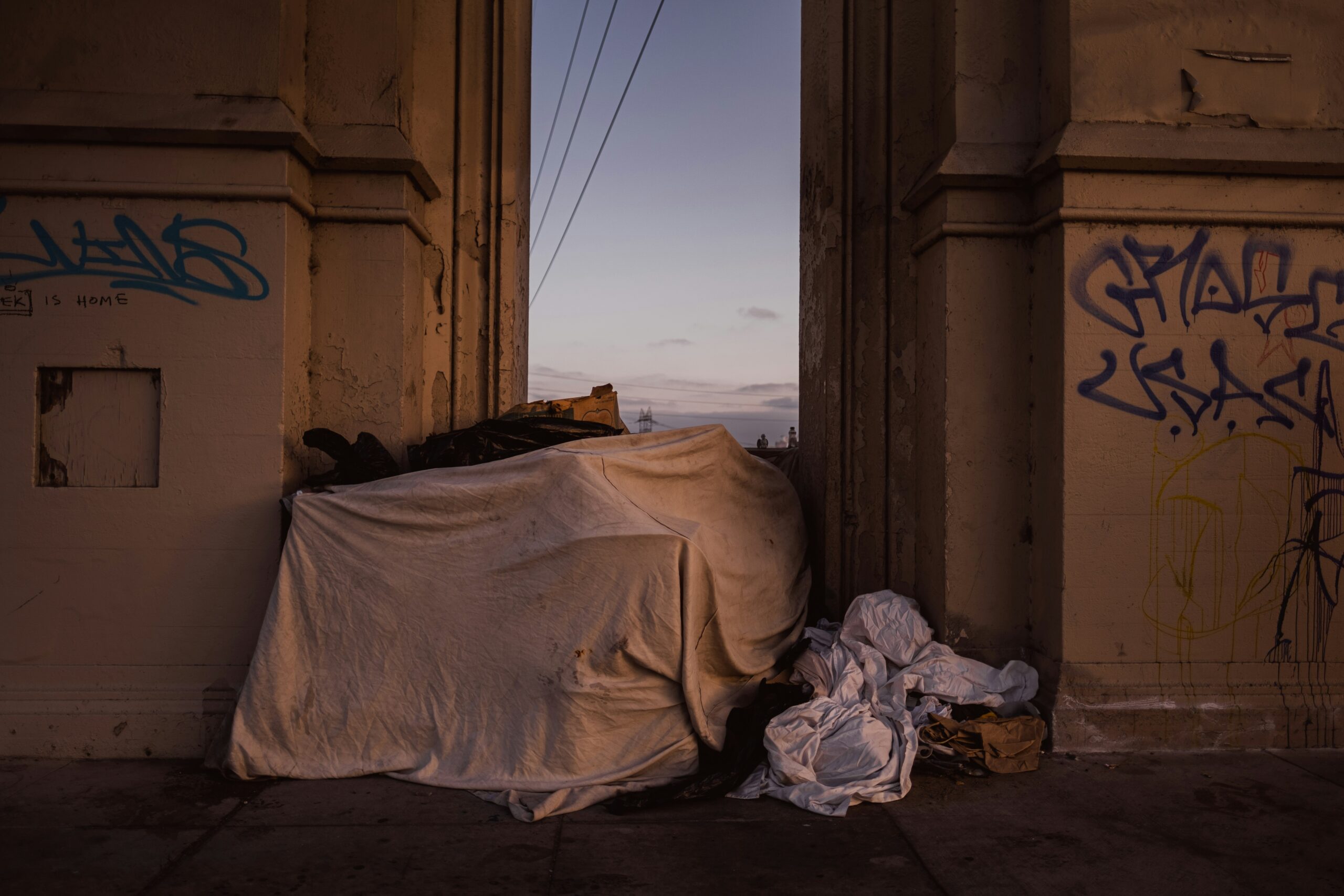
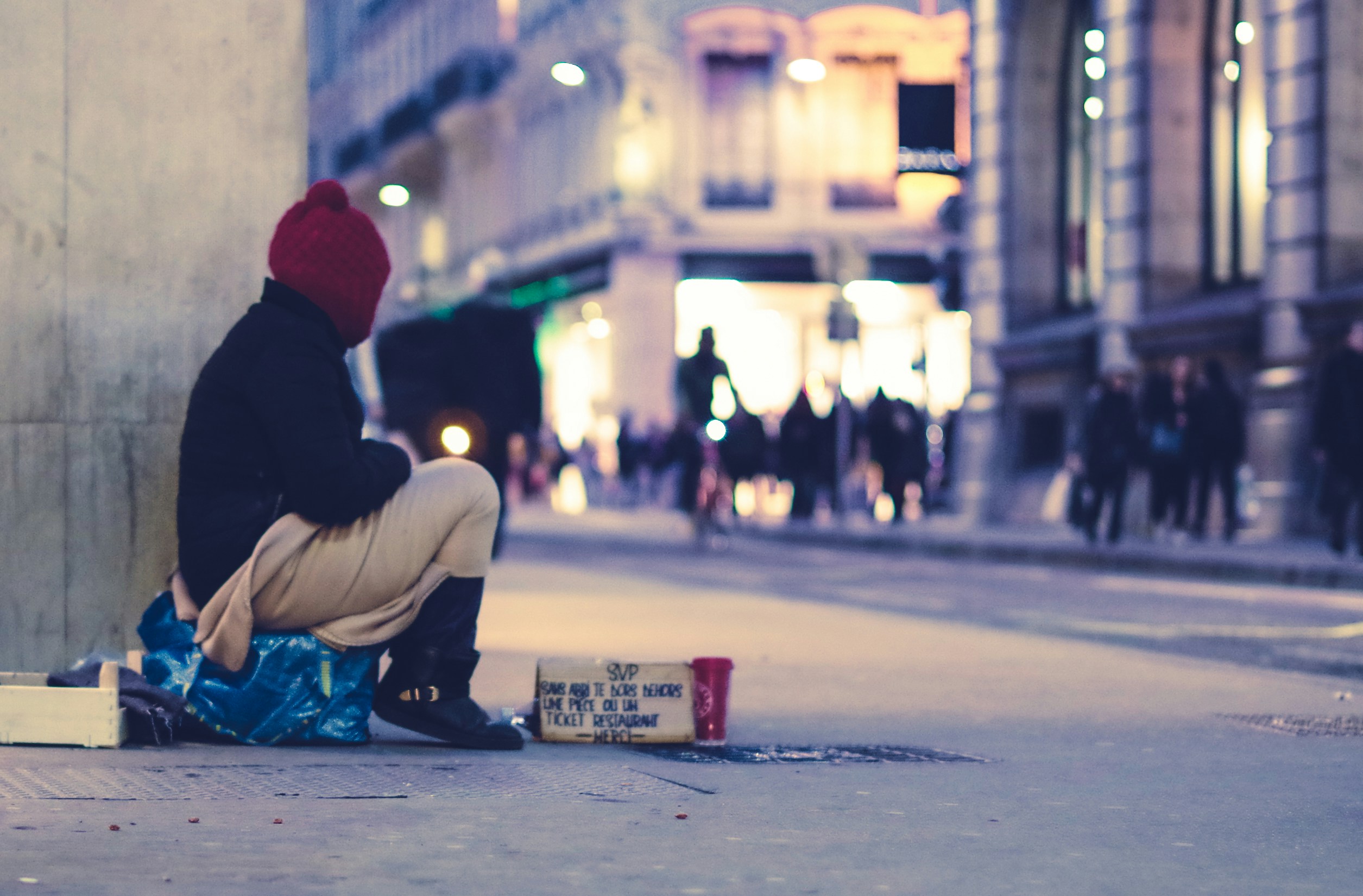
In the last few election cycles, housing affordability and homelessness have been the hot topics at the ballot box. And for good reason. Housing prices are through the roof, and rental prices are unsustainable. Homelessness is spreading across the city into even the quietest suburbs. But this year, crime has surpassed those still pressing issues to become a kind of third leg on the table. It’s not that the other two issues have gone away. If anything, more people are seeing the connection among all three.
More homelessness and less affordability can lead to desperate actions, like petty theft, and yes, even homicides. Yet, even while they may understand the motivations behind criminal activity, they still want something to be done about it. They don’t want to come out in the morning to find their car broken into. They worry about getting robbed on the way out of the market. Residents are feeling exposed and helpless.
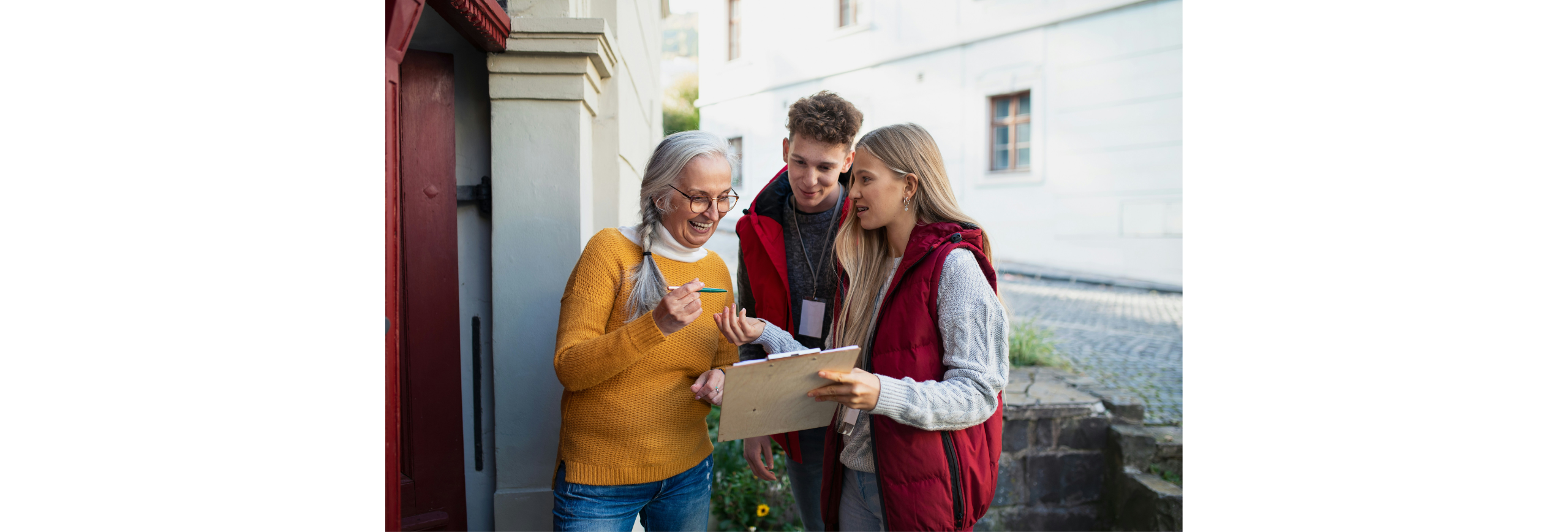
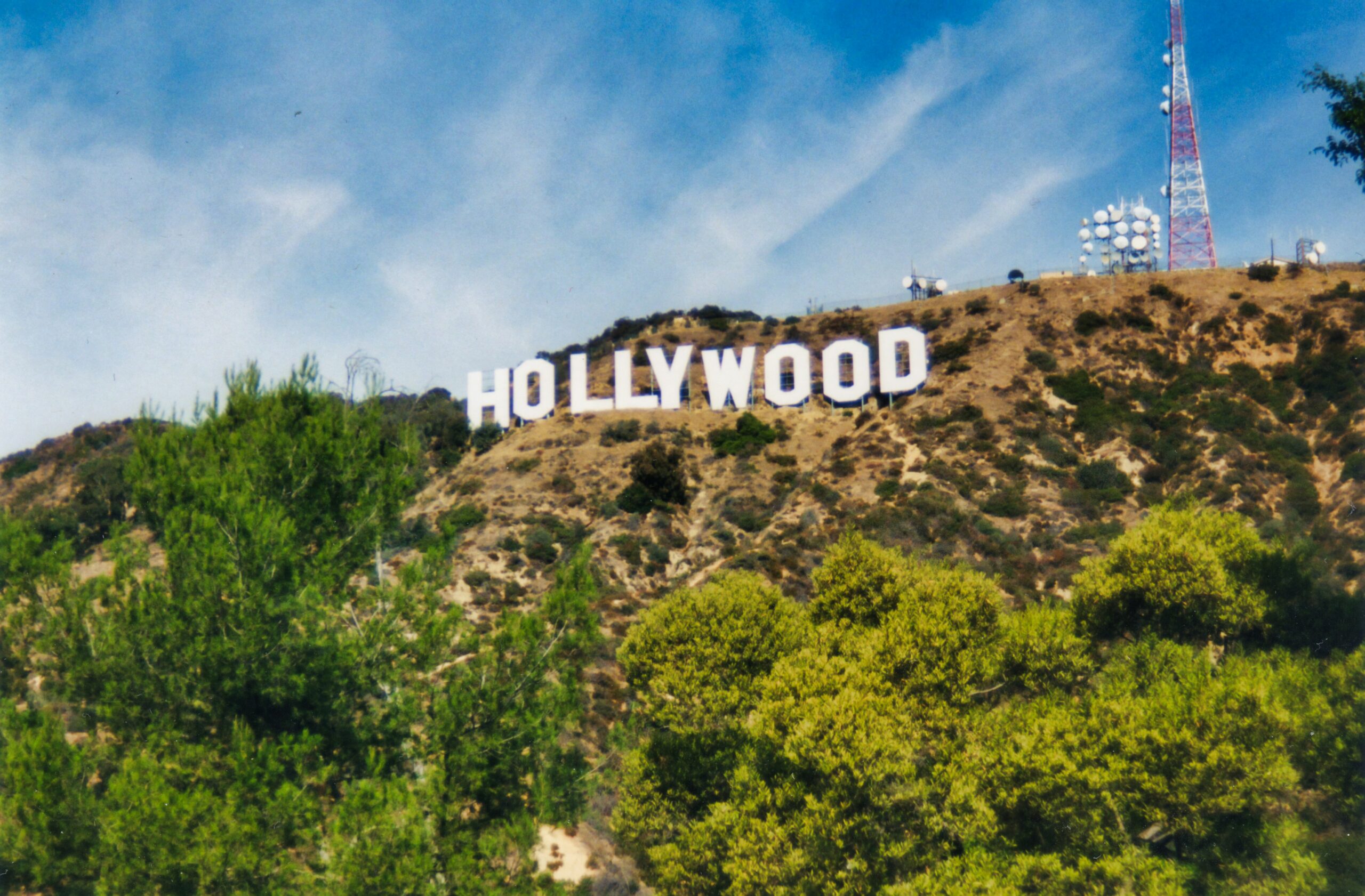
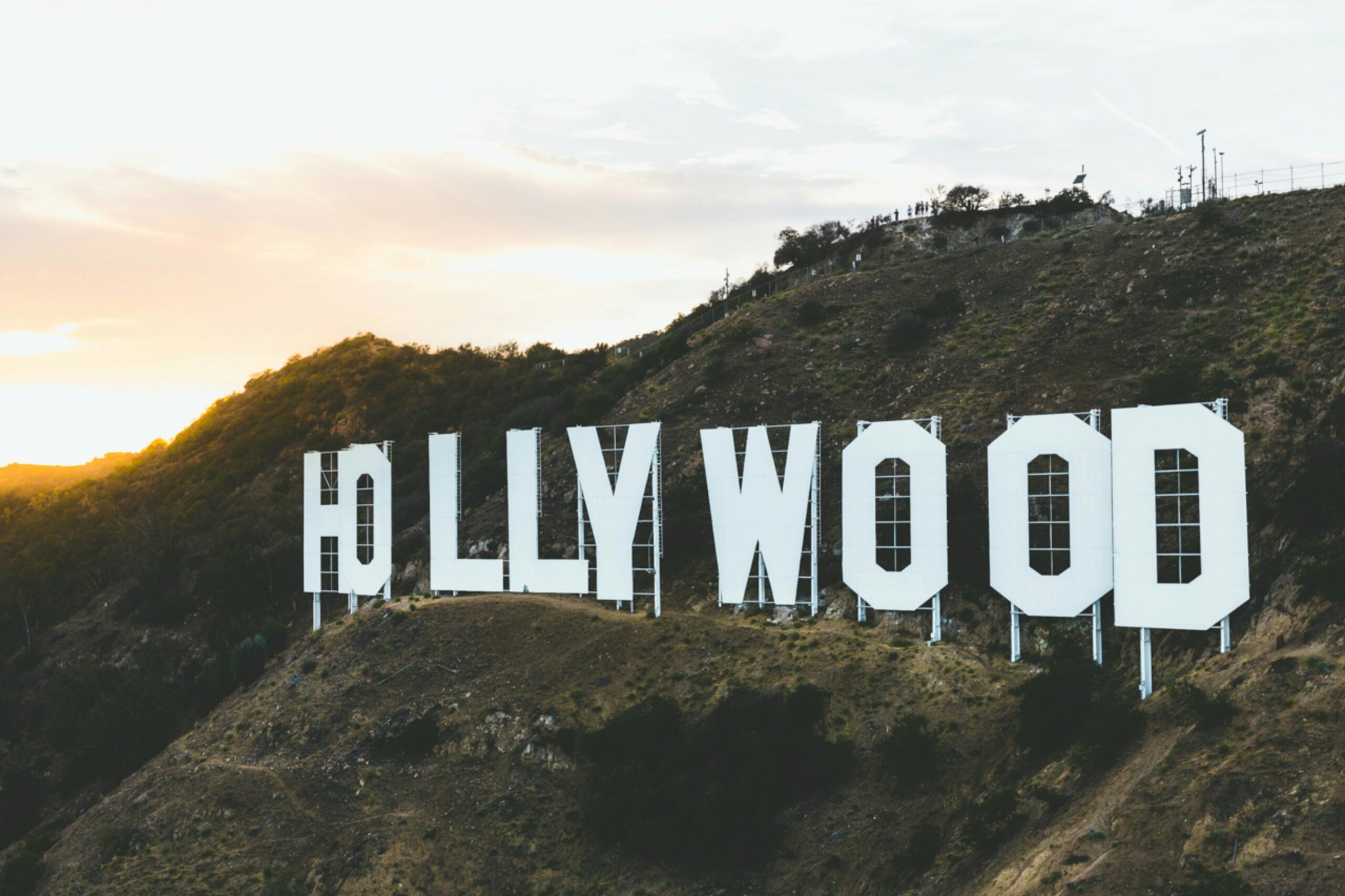
Indeed, many community organizations have noted that more residents of Los Angeles have reached out to get involved. Those feelings of helplessness seem to have led people to ask more questions about how they can take action to make their neighborhoods feel safer. Especially in areas like Hollywood or South LA, where crime is actually on the rise, California voters want to know what they can do to get their leaders to pay attention to their corner of the world.
The Numbers vs. The Feelings
One big problem between voters and their elected officials is the gap between what the numbers show and how residents feel. On the one hand, many local politicians, including the current candidates, will cite the standard statistic that crime is down across Los Angeles. And it’s true, the numbers do reflect a drop in most crimes in the city, including homicide and petty theft. But data doesn’t always reflect feelings, and it certainly won’t change them.
If someone sees their favorite shop in Downtown LA has been busted up, and they hear that the owner now has to close, because insurance won’t cover their losses, they don’t care that “crime is down.” They feel like their city is going downhill, and like no one is doing anything about it.
So residents still don’t feel safer, but they do feel like their elected officials keep telling them they’re safer. They feel like they’re being dismissed. What many politicians probably don’t realize is that safety is not something that can be measured. It’s felt. A single visible incident on the news or in social circles trumps a quarterly report with a bunch of statistics. And in the end, voters care much less about those stats than they care about whether someone with power is watching out for them and their block.
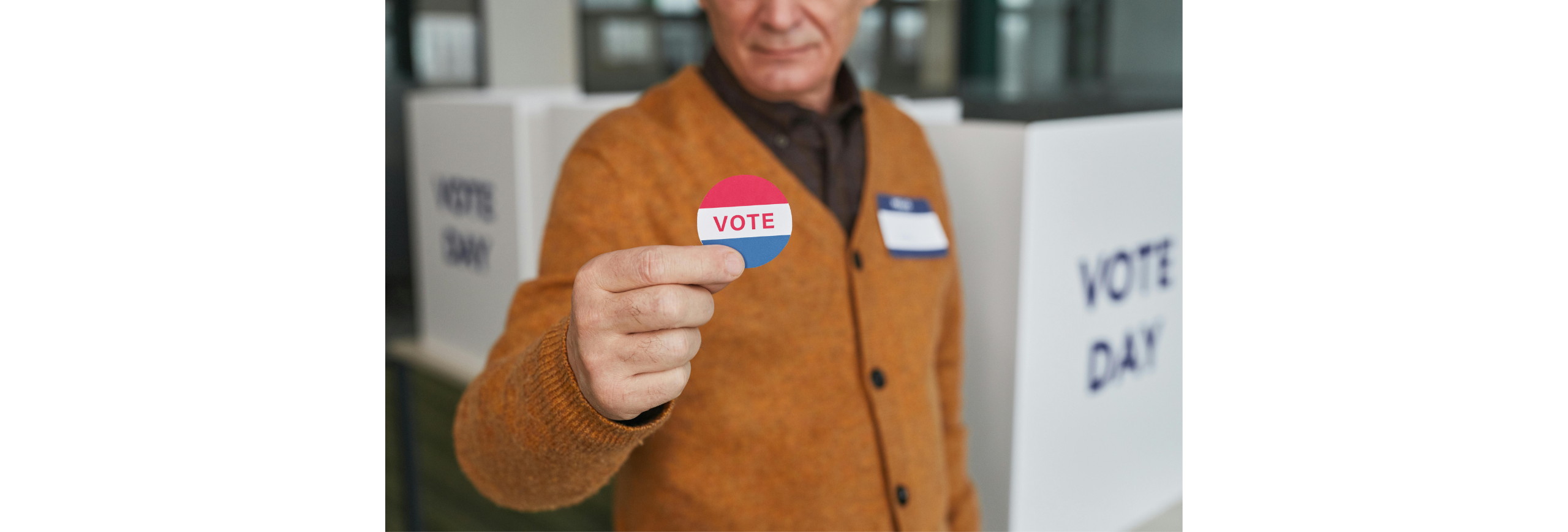
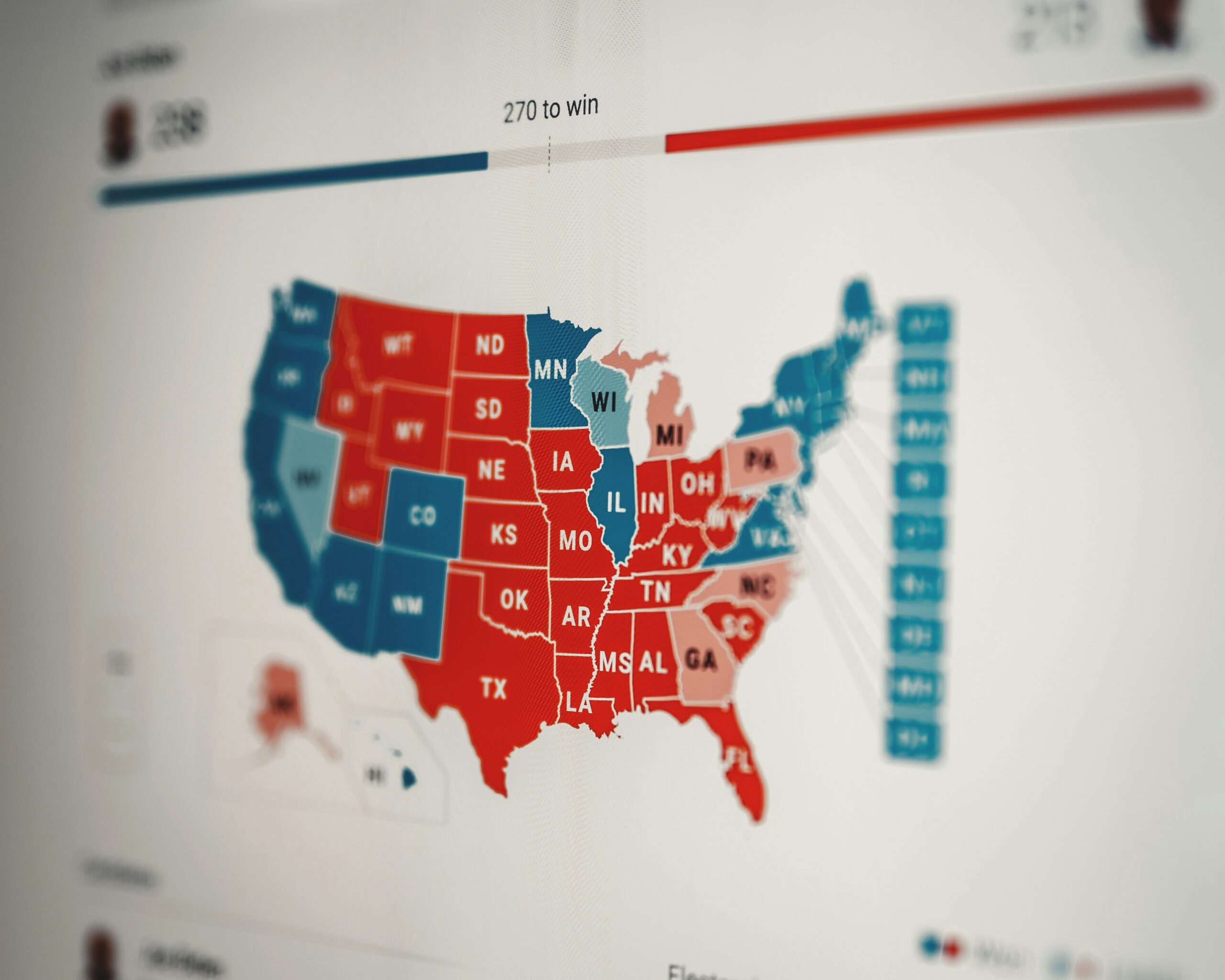
How Will Crime Shape the November Vote?
With the election creeping ever closer, crime is at the forefront of how voters will choose their candidate. They want specifics, not just talking points. They want commitments to response times and social programs rooted in prevention. What they don’t want are vague reassurances that everything is getting better and it will continue to do so.
If LA voters have ever agreed on anything, it’s this: they want to feel safer in their city. Where they disagree is on the method of approach. One side wants to see a more visible presence throughout the city to help them feel safer. The other wants to see investments in programs for mental health and youth development, in the hopes that prevention can fix the problem in the long term.
But the end goal is the same: Angelenos want to be able to walk home at night without looking over their shoulders. And the reality is that the winning candidate will likely have to be savvy enough to address their supporters’ concerns without alienating the rest of LA voters. Because the actual solution will likely be a both/and one. Sure, law enforcement could be more visible, and the city could invest in more prevention.
What Voters Are Actually Weighing
In the end, LA voters are doing more homework than they have in years. Where they once skimmed headlines, they’re now chatting in forums and showing up at community meetings. Because the stakes feel personal. In this climate, the best thing any voter can do is to look past the dramatic clips and the soundbites and really focus on the substance. What are the candidates actually looking to change? What changes can they actually make? And how is anyone going to measure their success?
It’s also clearer than ever that to keep a community safe, the community itself will have to get involved and stay that way.
Written in partnership with Tom White