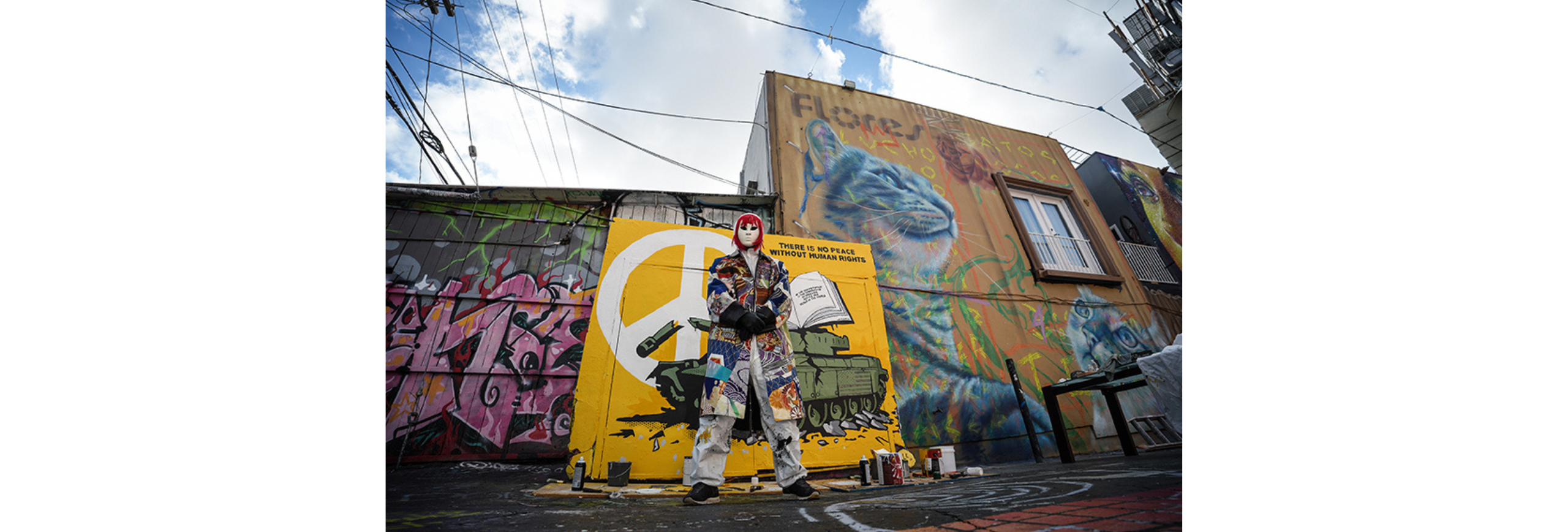

The anonymous Italian artist brings social commentary to Los Angeles through their public artwork.
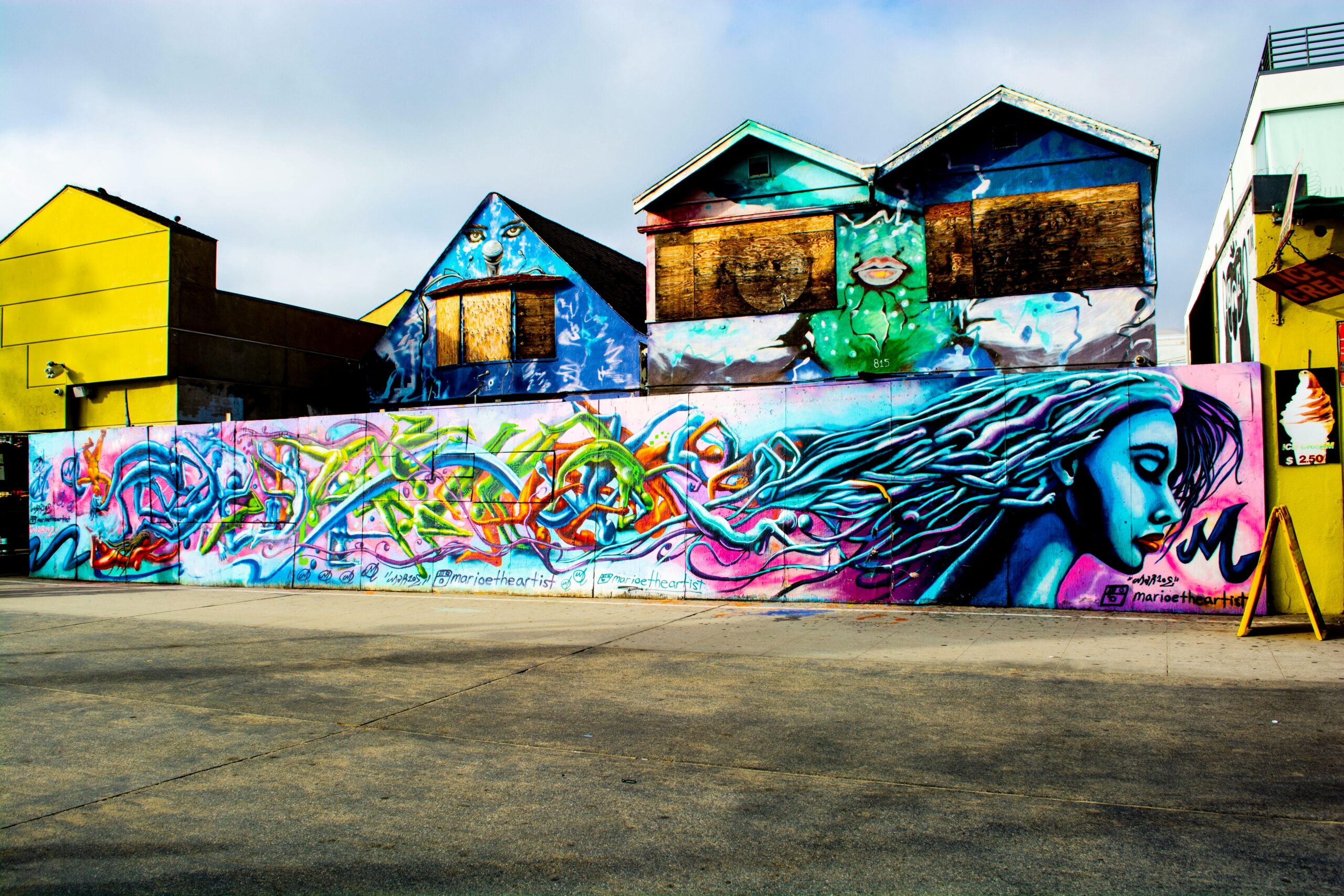
Public artwork appears unexpectedly in places that were previously bare, reaching its audience as they go about their daily lives, drawing them in and provoking conversation with its messages.
LAIKA 1954 uses street art to bring attention to human rights and inequality. The Italian artist and activist deliberately shields their identity behind anonymity so the message of their artwork is at the forefront of public discussion.
“My goal is to encourage people to take a stand and to take care of their own future and that of others. Reflection has as its purpose a future action. The ultimate goal is change: this only happens if all of us, in our own small way and in our own manner, contribute to making it happen,” says LAIKA 1954.
Los Angeles Is the Right Place for Conversation
The artist is visiting the United States for a second time and has created multiple activist art installations in Southern California. LAIKA 1954 believes that all artwork is political, and their recent pieces are focused on themes that include war, human rights, immigration, nationalism, and more.
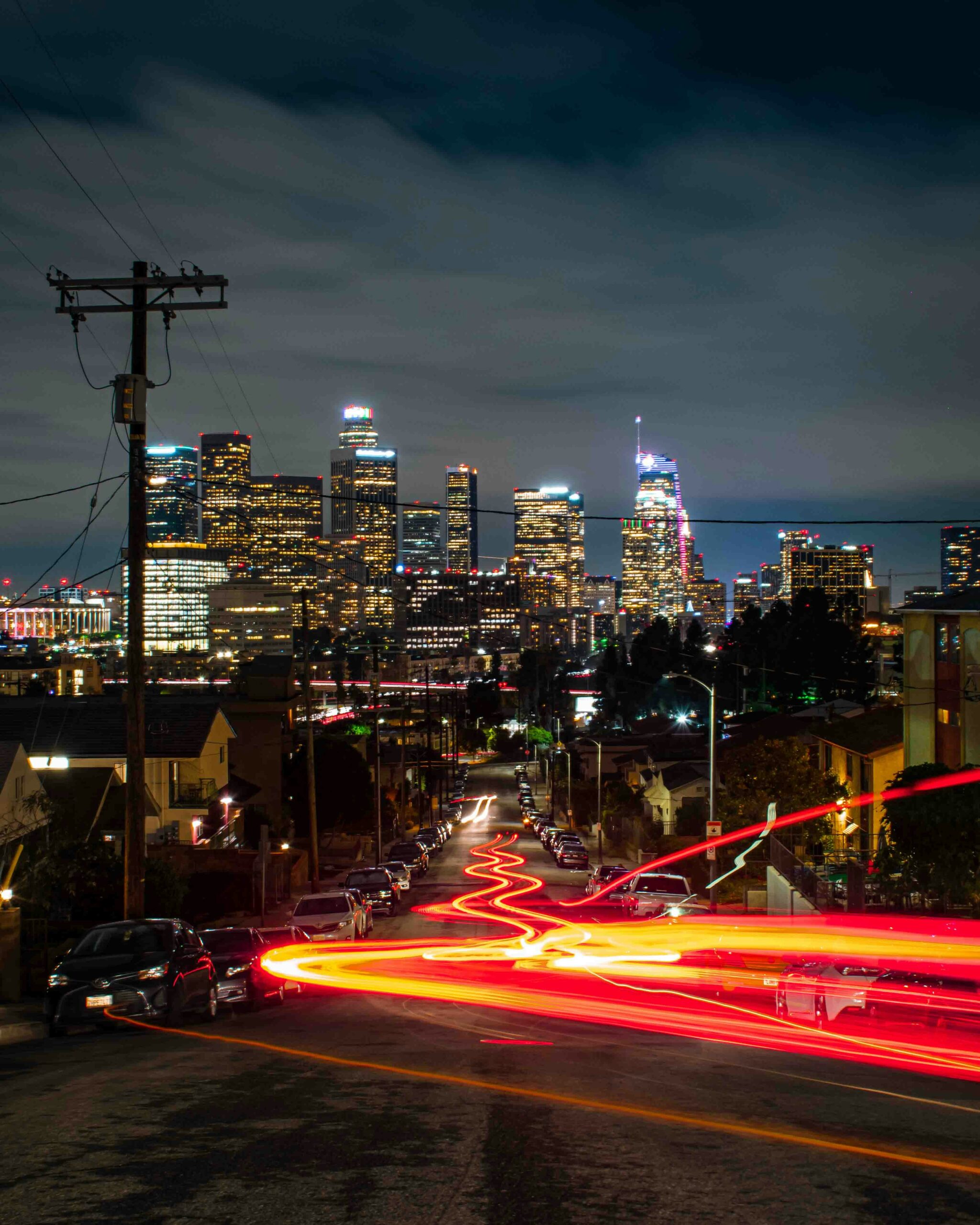

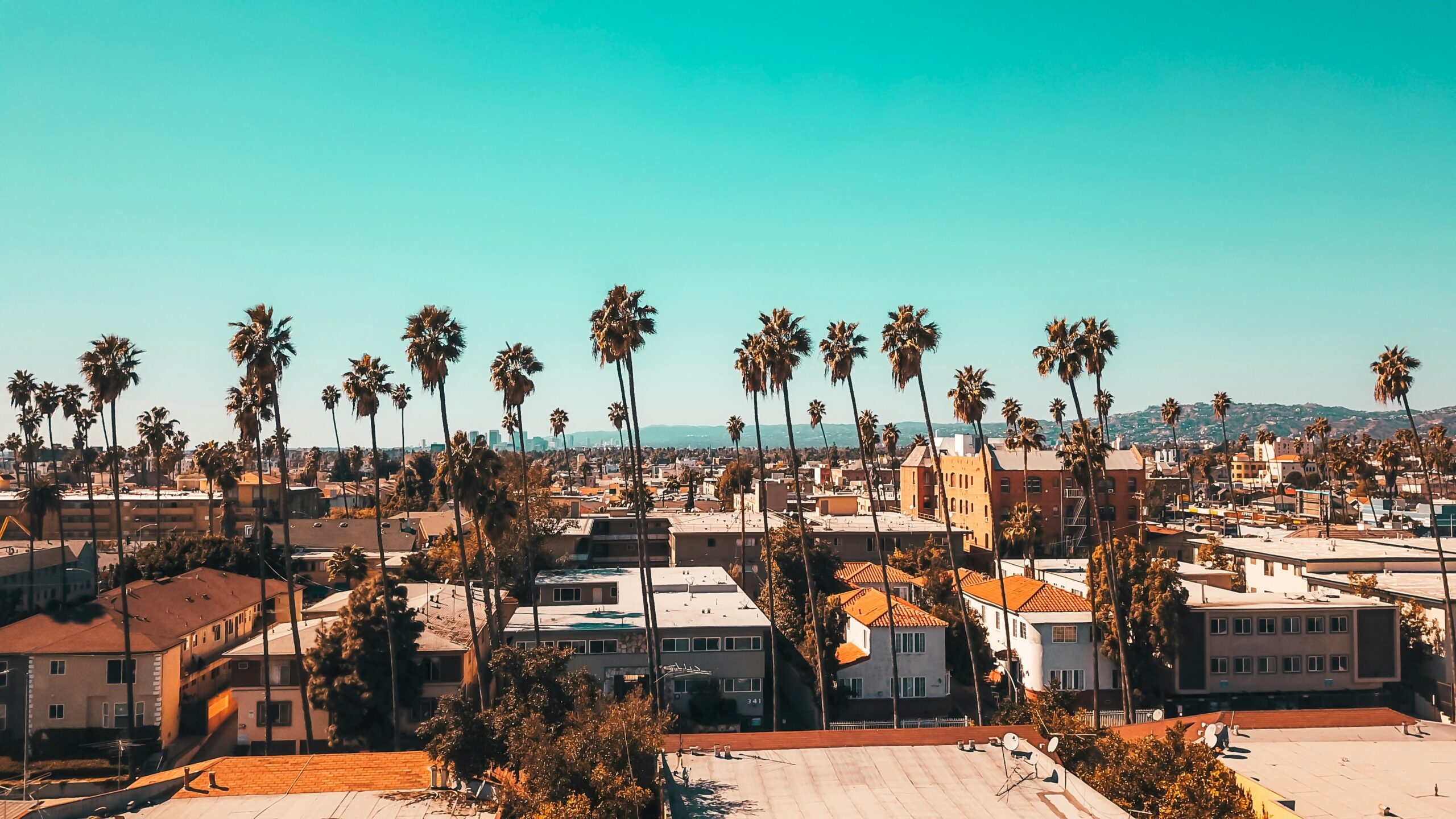
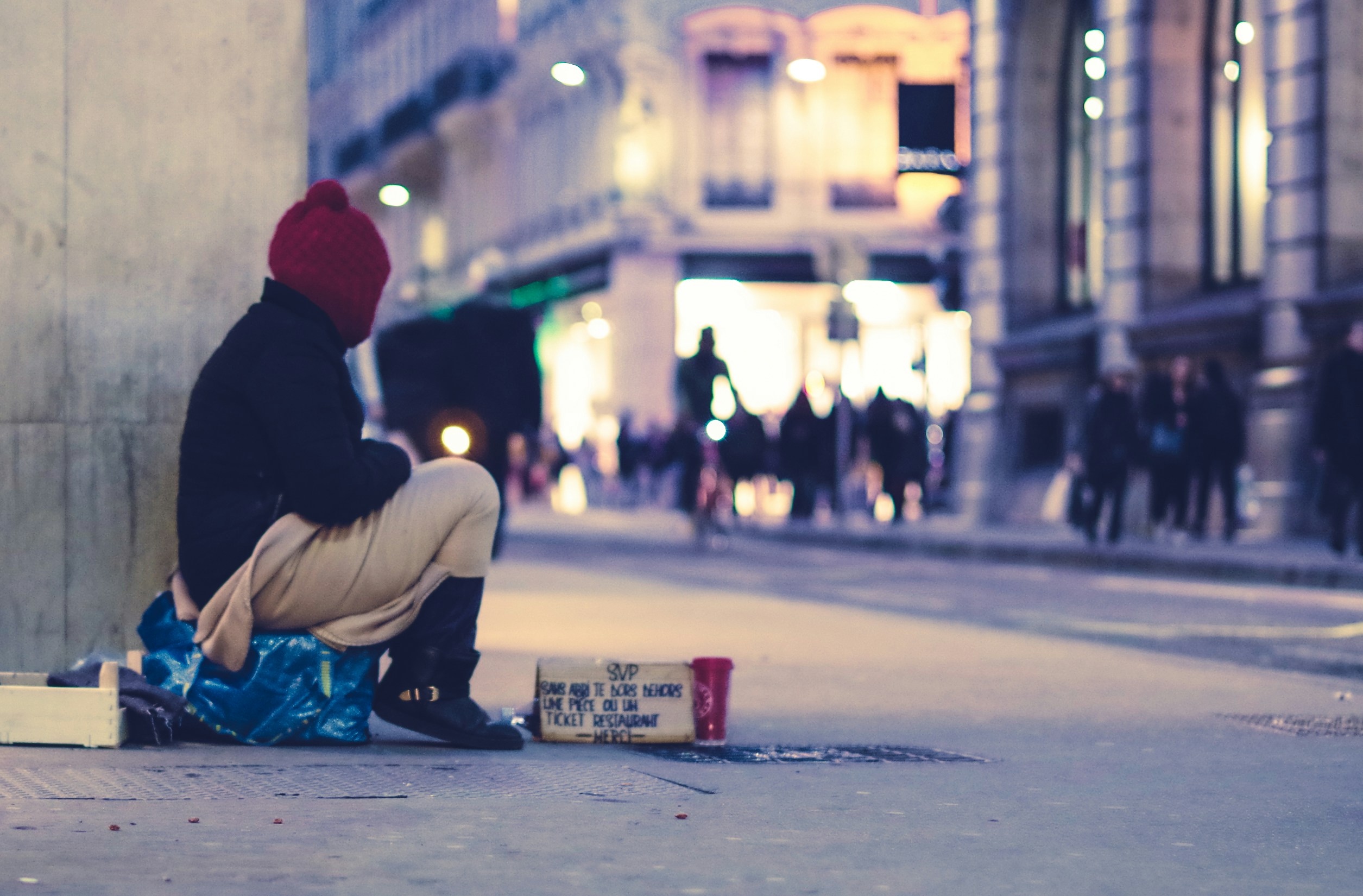
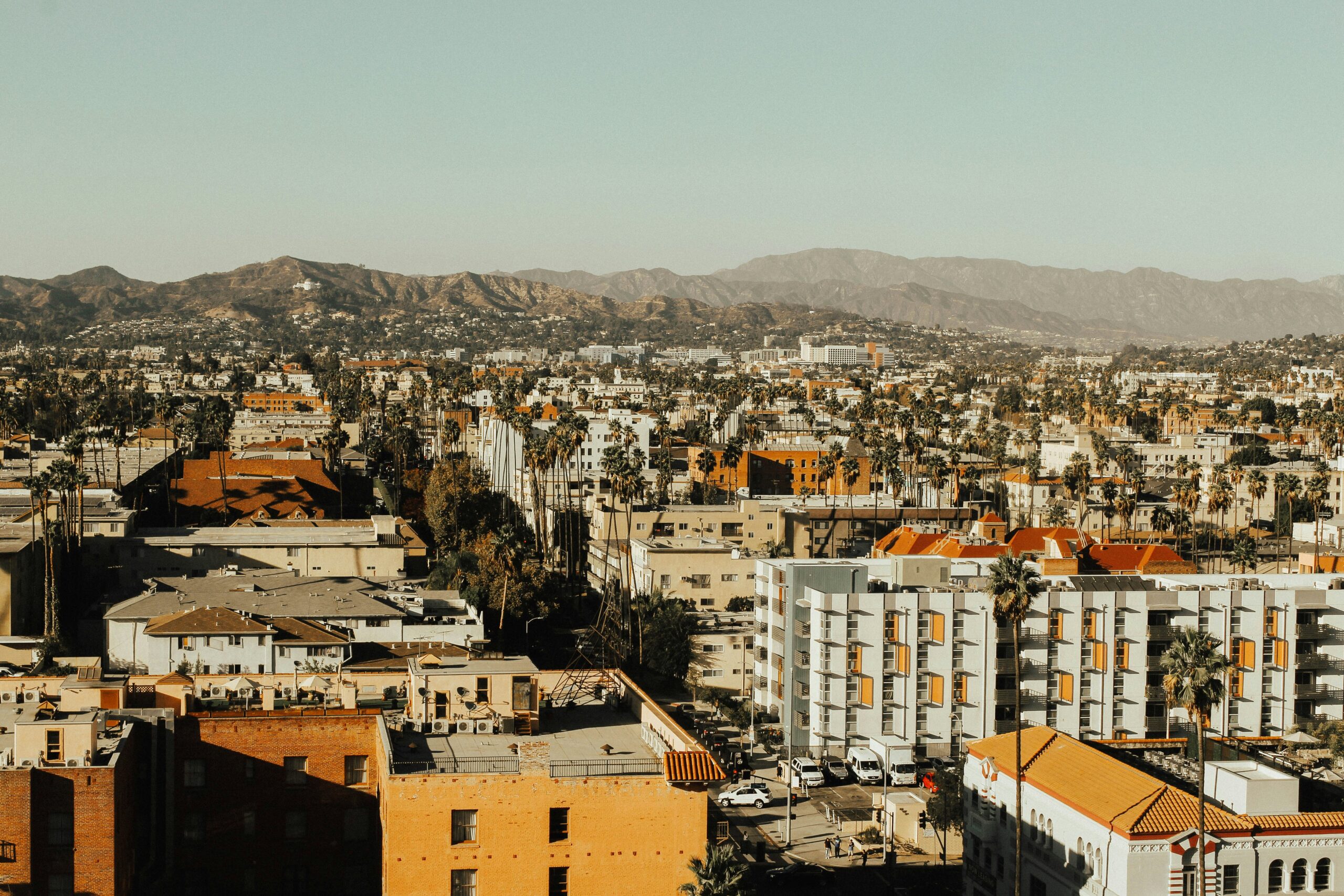
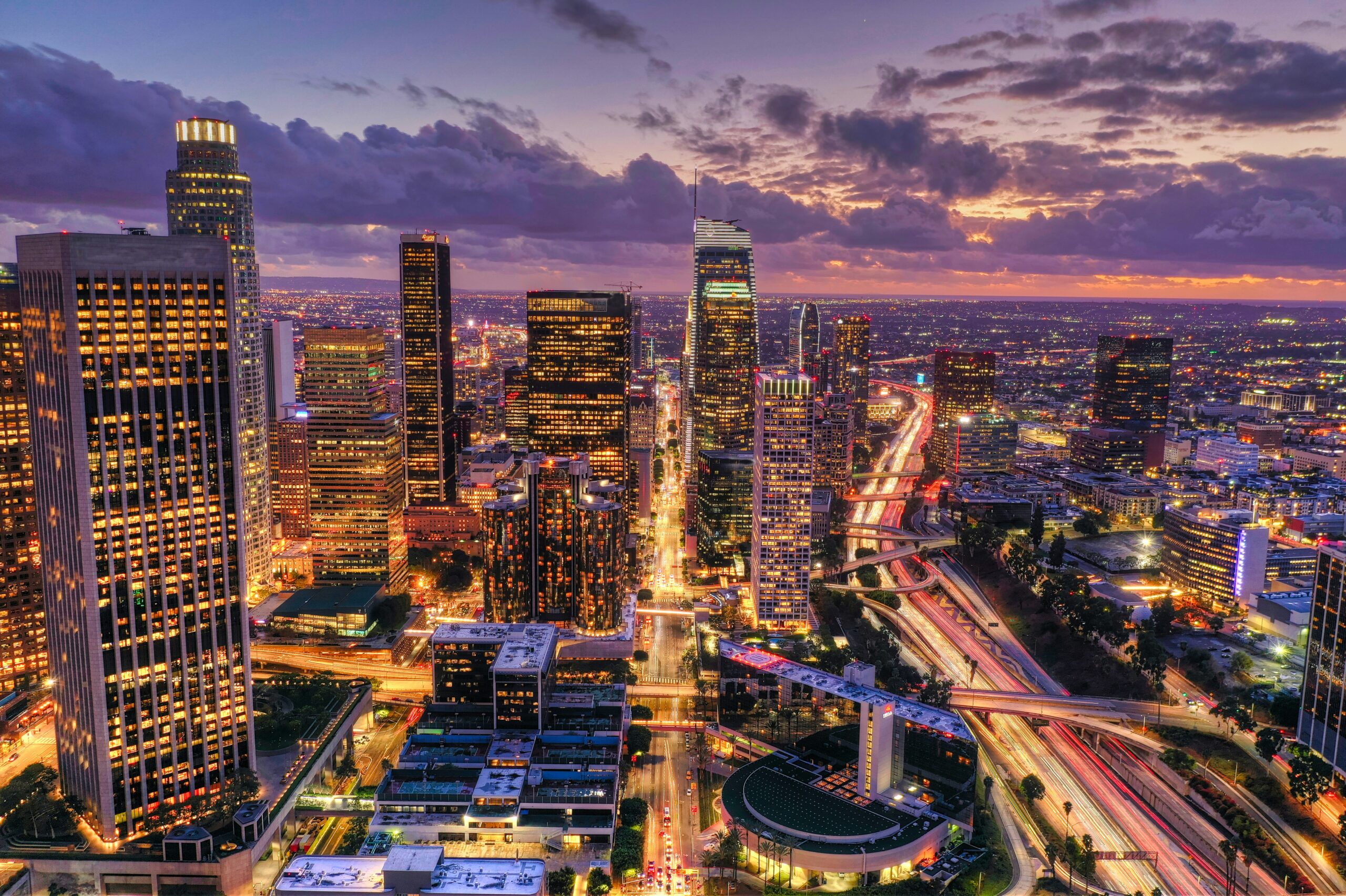
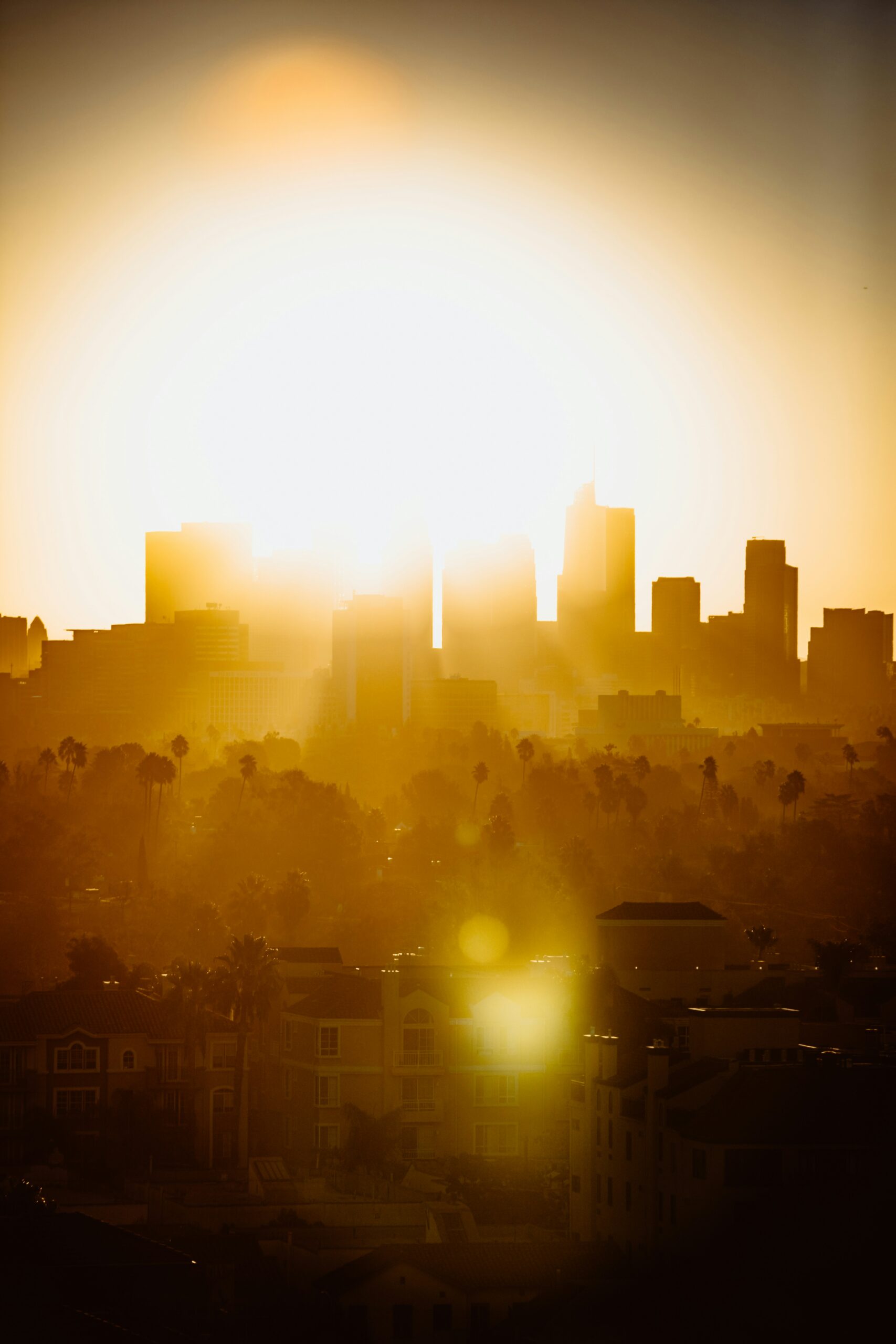
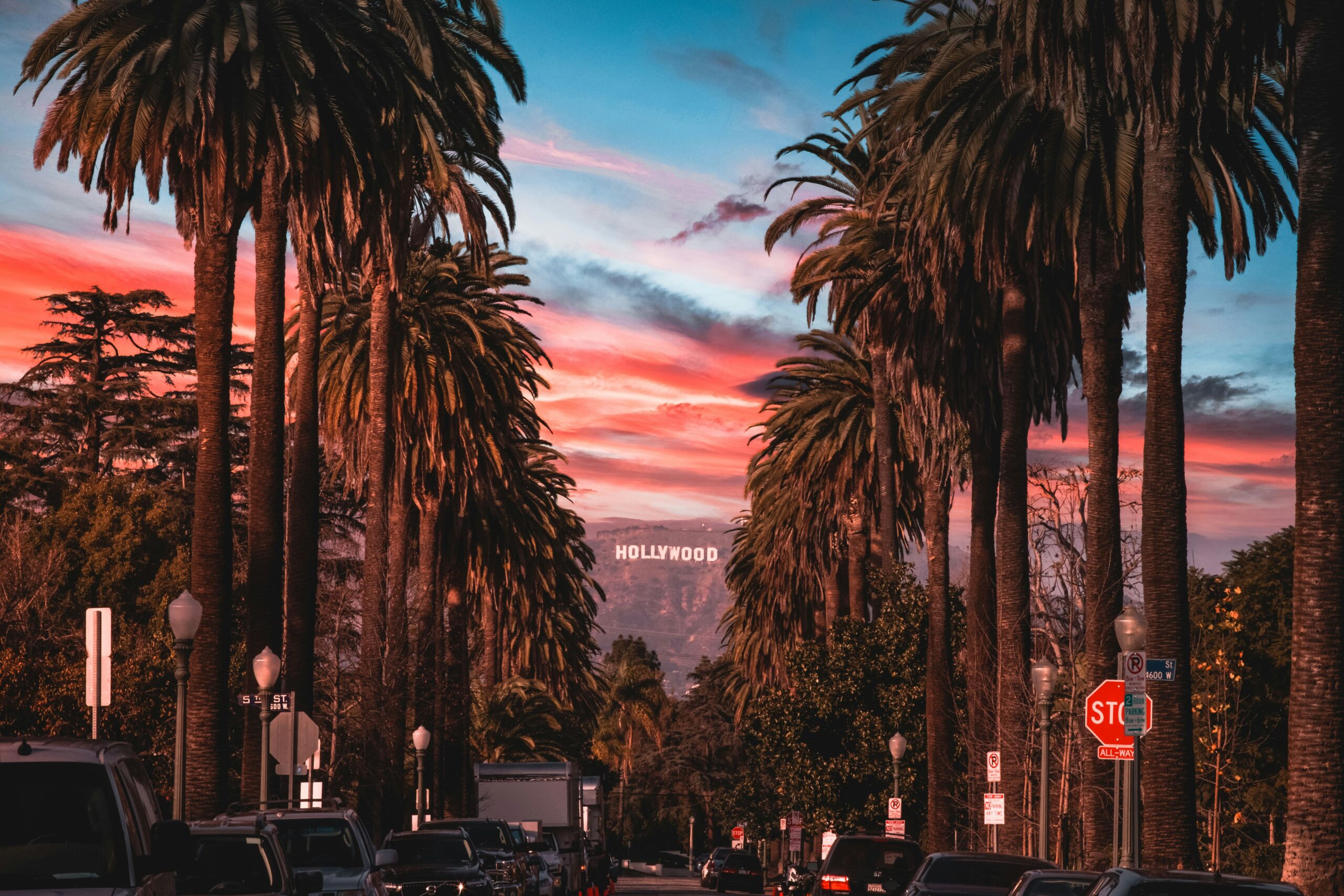
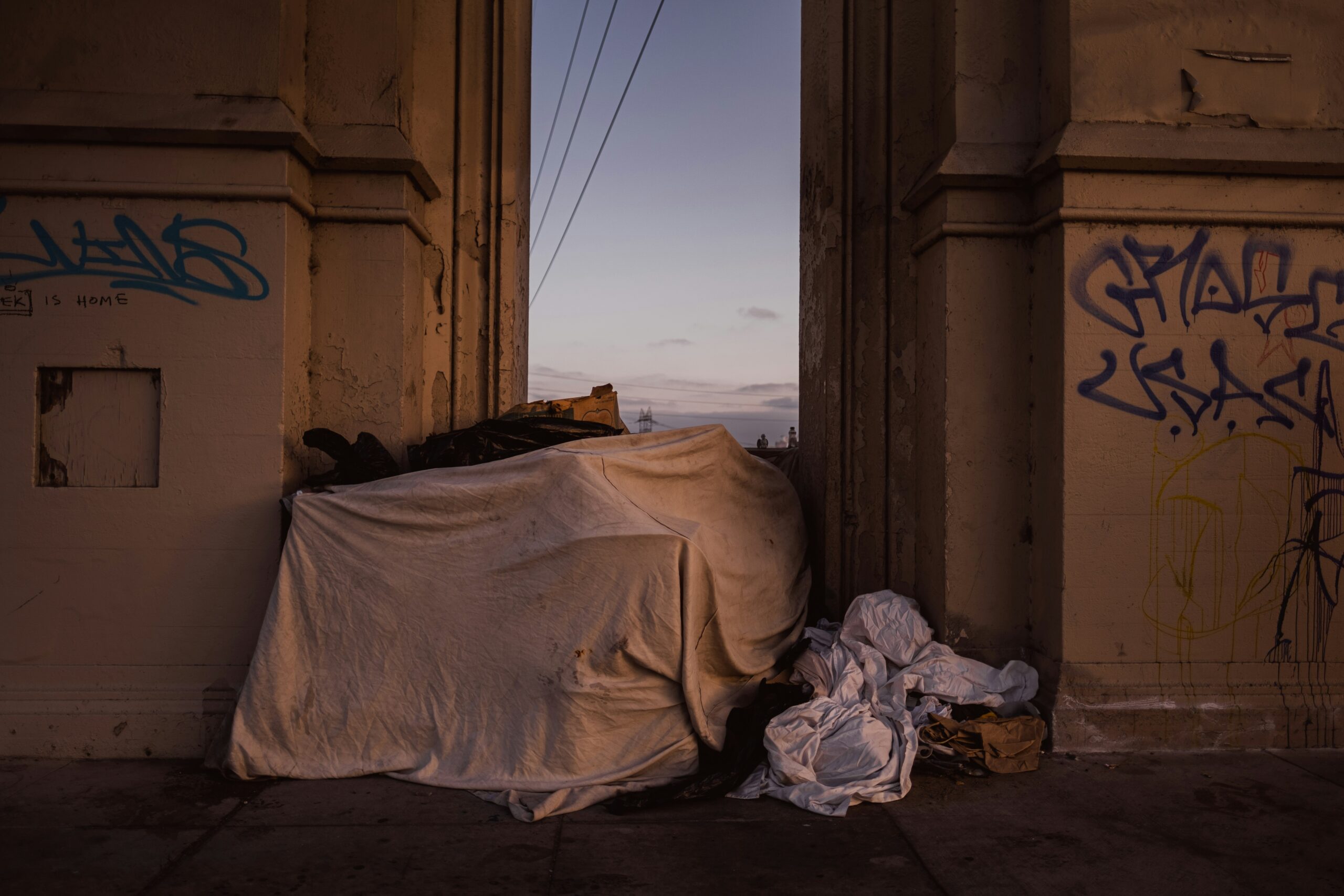
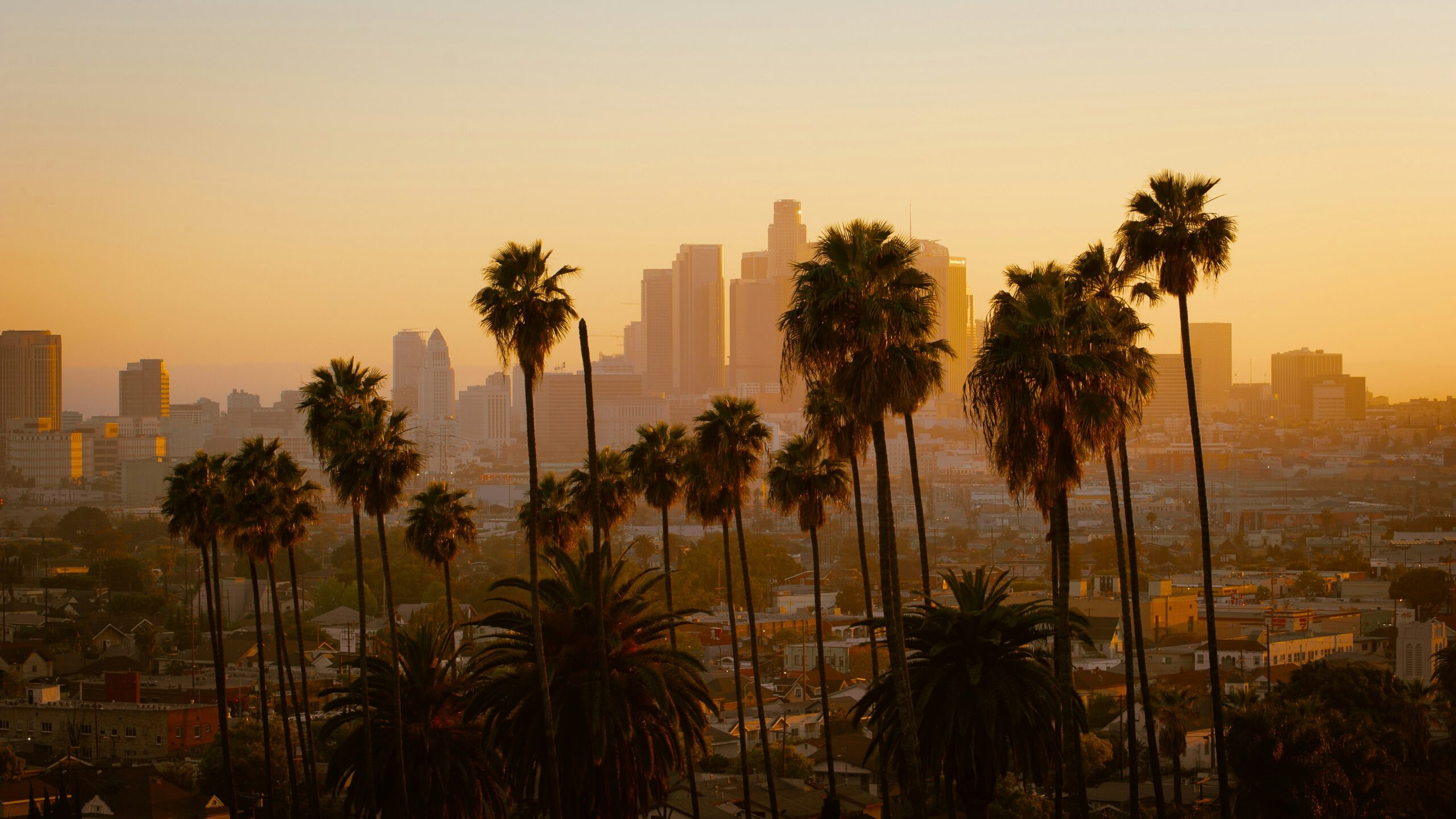
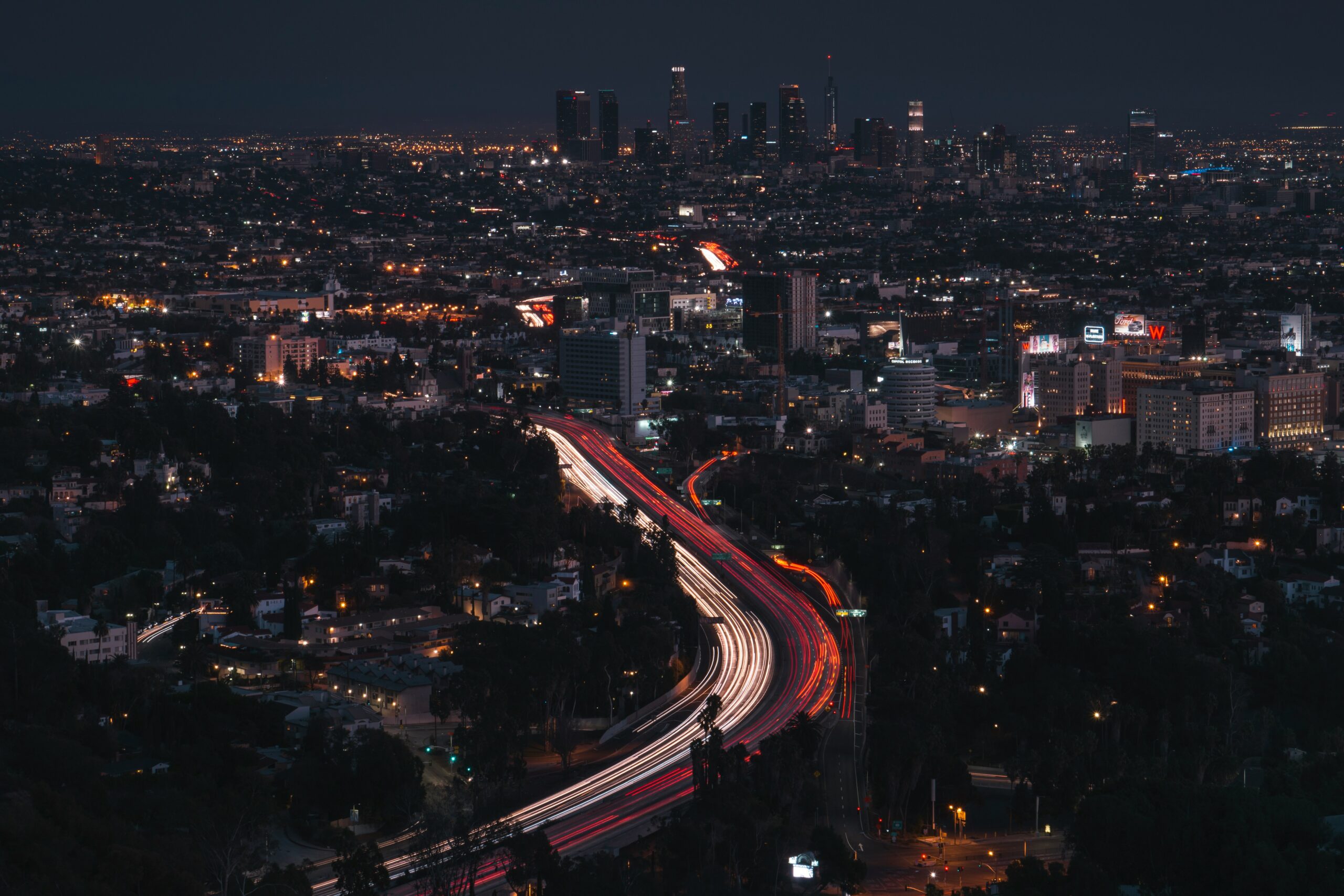
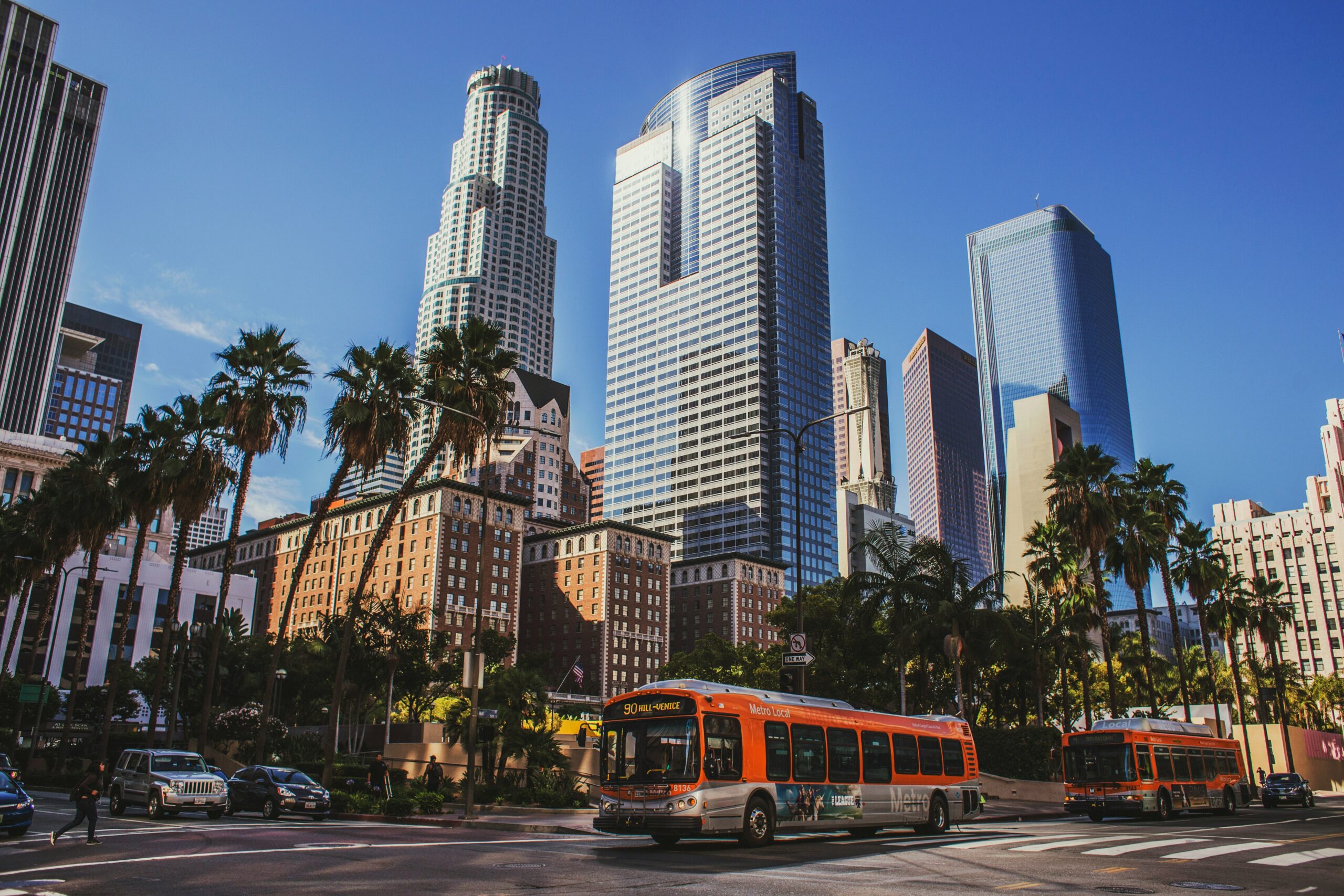
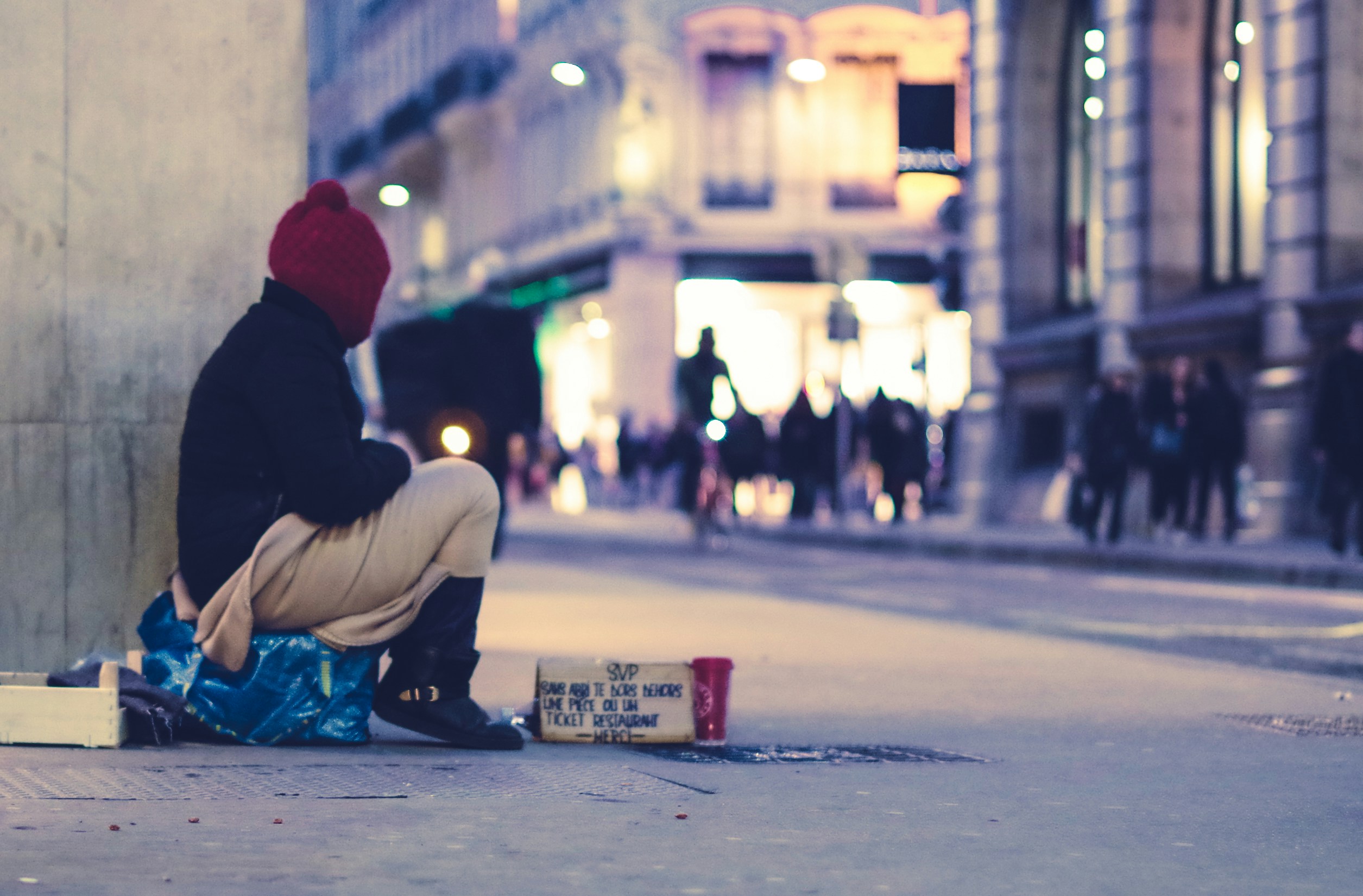
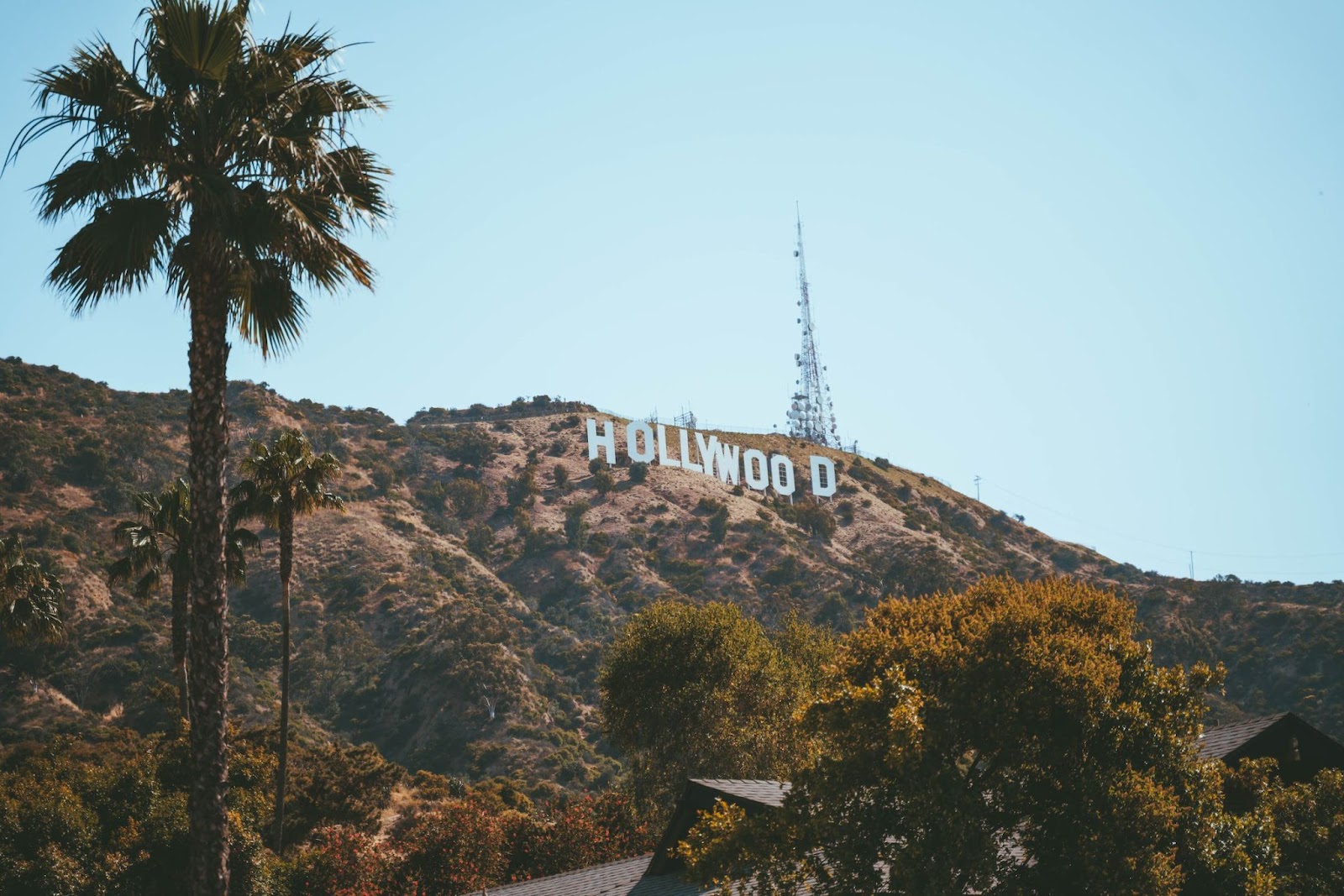
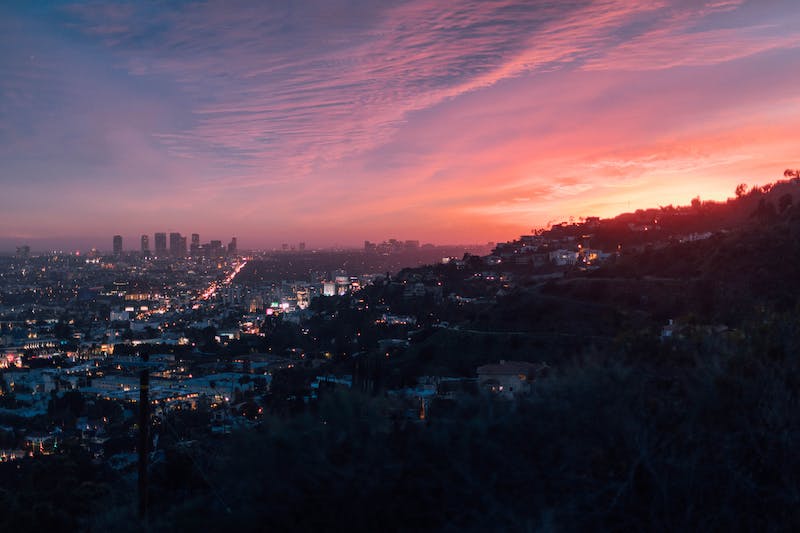
LAIKA 1954 believes that where an installation appears is just as important as the theme of the artwork. Los Angeles is a city of contradictions, according to the artist, and they are using the city to reflect vital conversations across the globe. Generations of immigrants built the city, and it has a long history of activism. Yet, it has enormous wealth existing alongside poverty and homelessness.
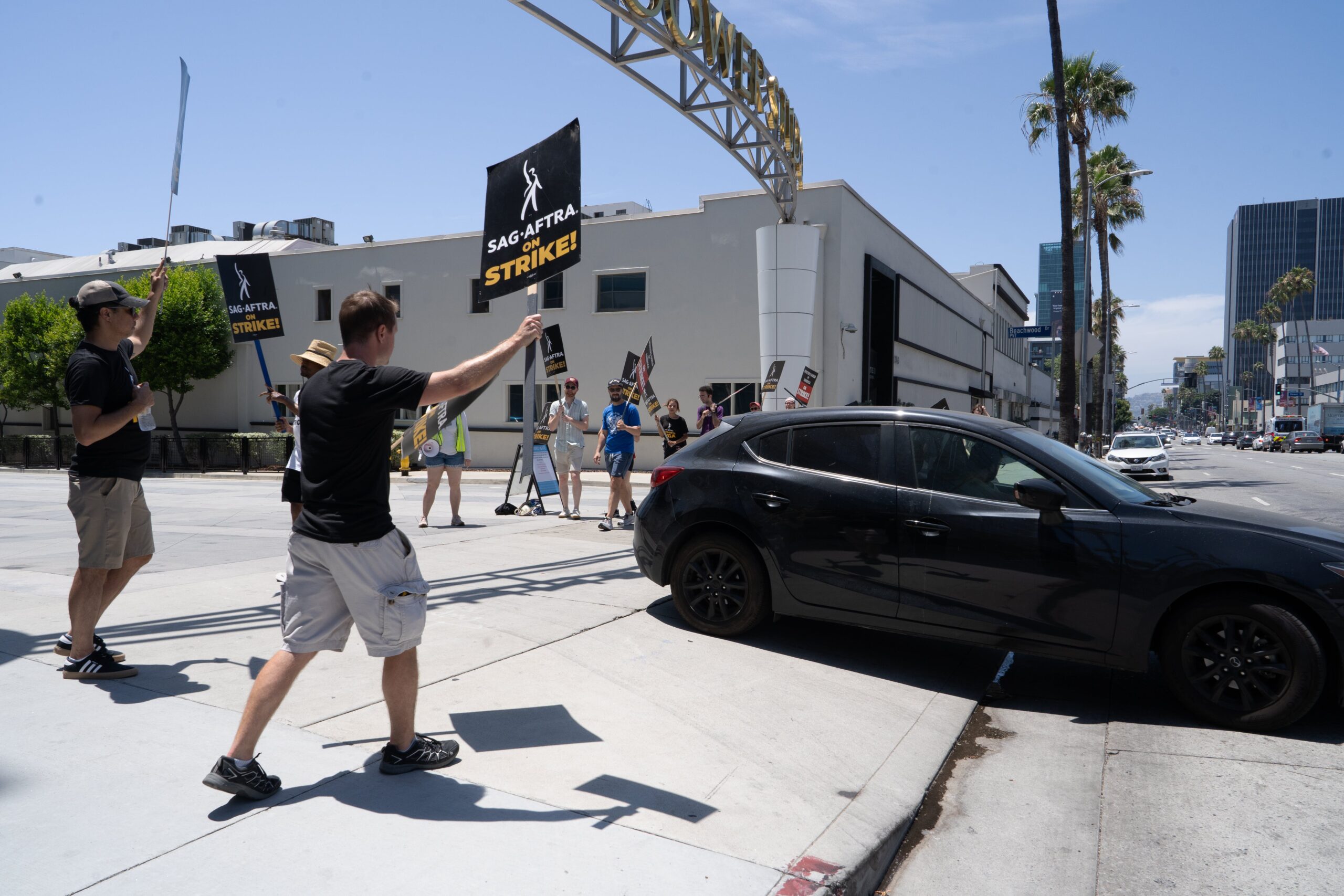
LAIKA 1954 embraces the tradition of political street art, drawing attention to the inequalities that exist within the city.
“The artist has a social responsibility and therefore must take a stand. Art is one of the engines of change.,” LAIKA 1954 states. “For me, those who do not take a stand are the evil: Antonio Gramsci, an Italian writer and politician, said that ‘indifference is the dead weight of history.’”
Beyond the Gallery Walls
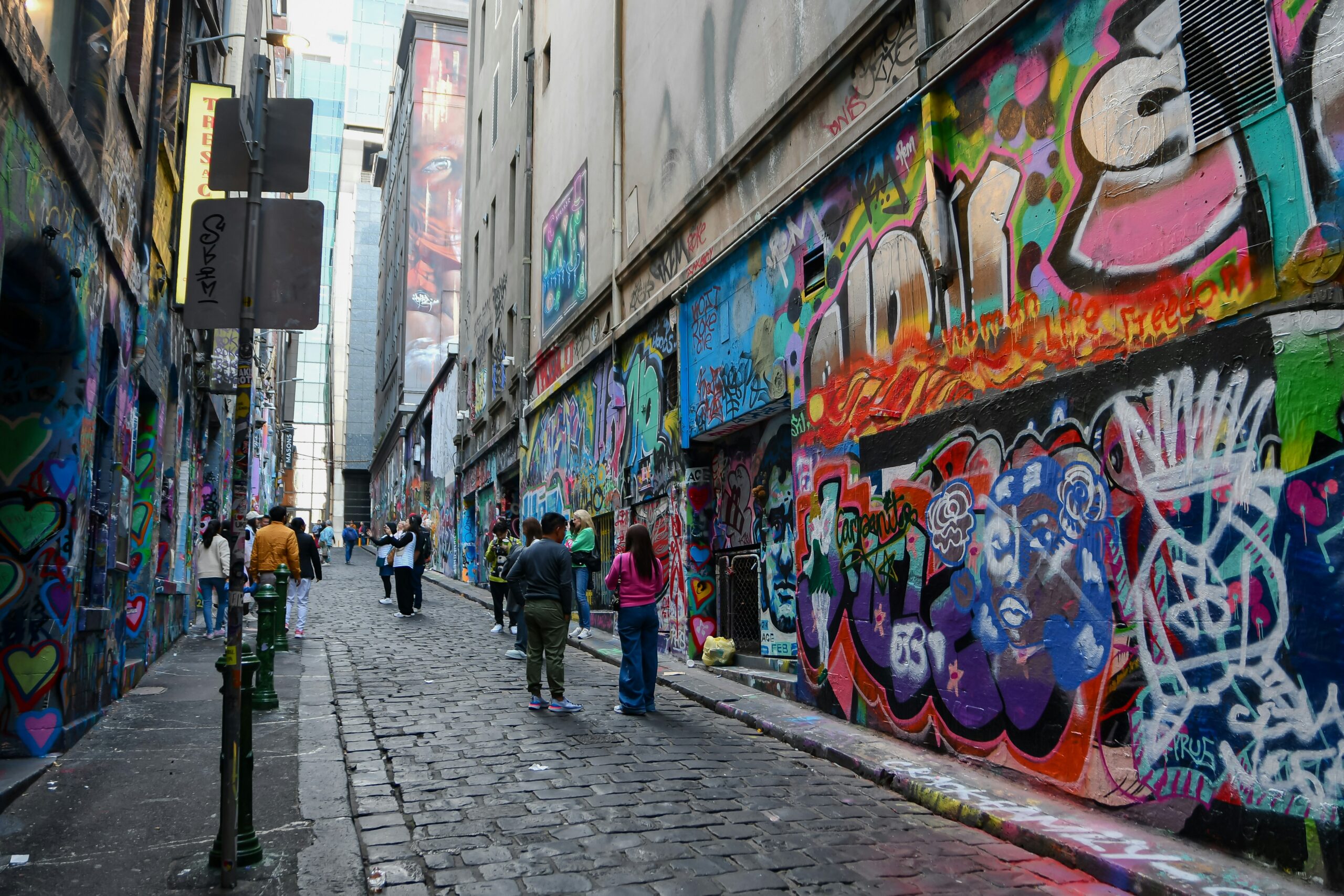
Street art is the most democratic art gallery in the world, according to LAIKA 1954. People don’t have to enter a museum or art gallery to view and interact with street art. It’s a form of mass communication that the artist hopes will provoke important conversations about the state of not only the United States, but also the world.
“The first phase is to generate debate: this is useful for acquiring social awareness, for beginning a process of analysis, for pushing people to organize themselves. Imposing an idea, a path, I do not think is effective: it is necessary for people to confront each other in order to plan together the road toward change,” says LAIKA 1954.
The power of art to create an emotional reaction and open debate on important topics is the foundation of LAIKA’s work. They want the audience to observe their work and make it their own. The first few hours after a piece goes up are important to LAIKA 1954. It’s when they can gauge the reaction of the intended audience. Though contemporary street art is often not permanent, social media has extended the life and impact of the artwork.
“When the message needs to last for a long time, I opt for large murals (and legal ones): the kind you see every day or that you simply cannot ignore,” says LAIKA 1954.
Written in partnership with Tom White