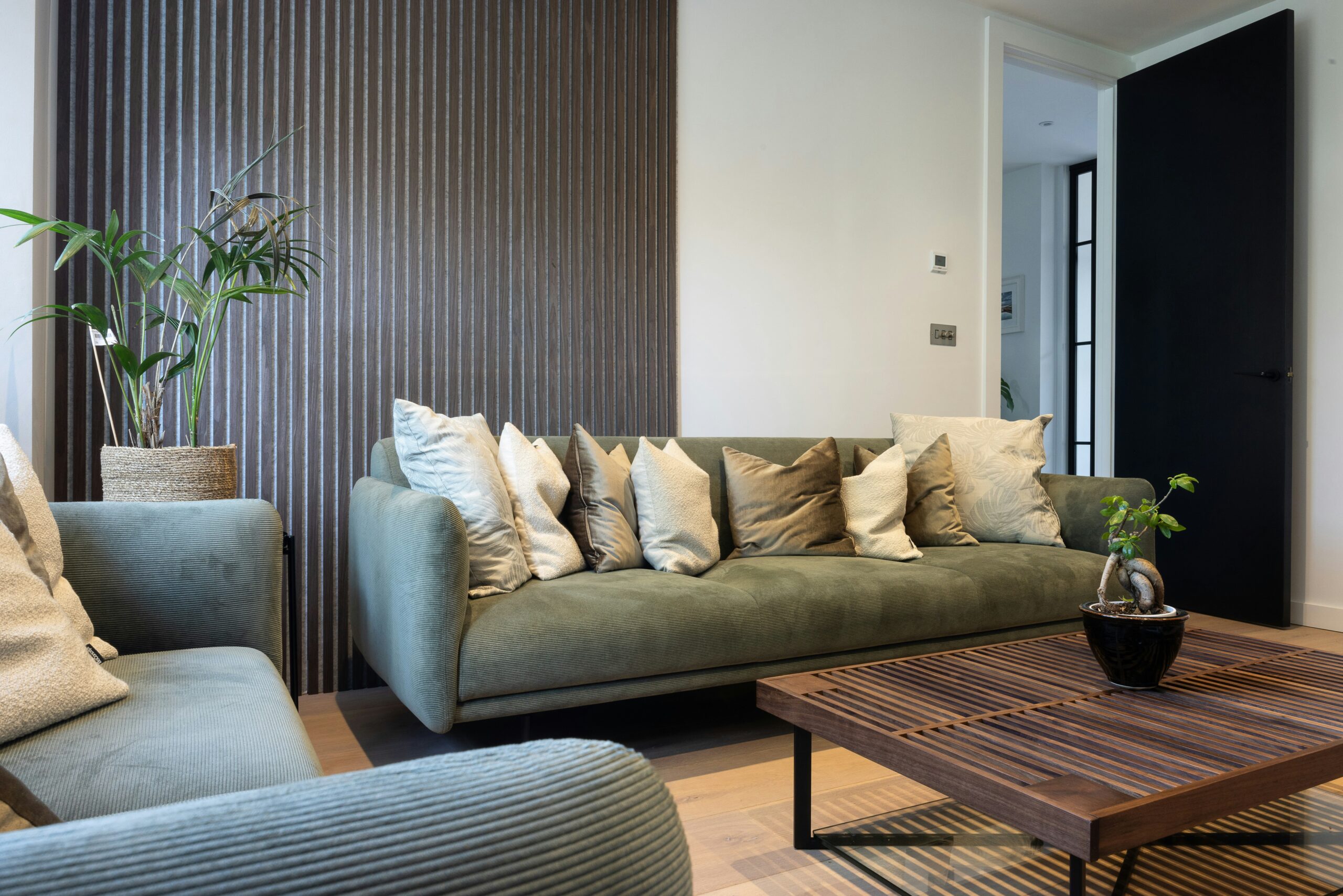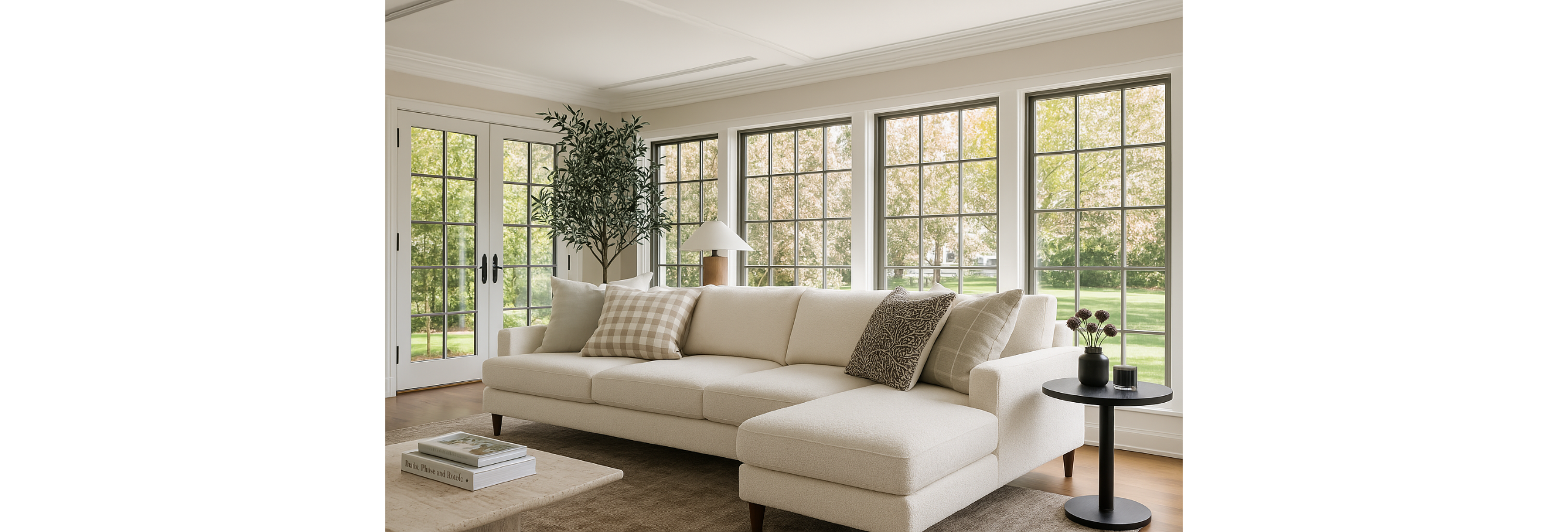

A custom sofa may fit a special space, improving traffic flow and expanding room for company, as well as looking beautiful, but choosing a custom sofa and brand requires understanding the process.
Custom sofas can be a useful addition to a home, especially for small, narrow, or unusually shaped rooms. They allow buyers to choose dimensions that fit the space more precisely.
With DreamSofa’s made-to-order custom sofas, customers may purchase a custom sofa featuring chosen materials, finishes, sizing, and style. A custom sofa allows for specific design choices and specifications that may not be available from traditional made-to-order sites.
But how does choosing a custom sofa brand work? First, understanding custom sofas can help determine if one is right for you.
Custom Materials, Custom Space
Design has been revolutionized in recent years by custom materials that allow designers and builders to create specific pieces for individual purposes. Aesthetic and effective furniture has been one result.
To begin DreamSofa’s process, customers choose a style for their product. With this information, they may choose materials and specifications such as wood or trimmings. This process lets customers pick specifically what would be most effective in their space, both in design and sizing.
Custom sofas can be sized for a space, which may help to avoid blocked walkways, cramped seating, or furniture that looks out of scale. Not only could this help the flow of a space and allow people to move through it more easily, but it may also suit the purposes of homeowners, with reconfiguration or expansion.
Choosing a Custom Sofa Brand
Before deciding which custom sofa brand has the ideal options, knowing what kind of sofa interests you, from materials to design and sizing, is important. From there, deciding may come down to which brand has the designs you prefer.
DreamSofa offers a wide range of colors and a variety of fabrics, from durable and easy-to-clean to luxury pieces. It allows customers to choose a design down to the nailheads. Independent reviews can help, too: Apartment Therapy’s look at DreamSofa’s custom sofas walks through how the made-to-order process plays out in real rooms.
After design comes the actual purchasing, which necessitates a good understanding of warranty options and delivery options. A strong custom sofa brand should make the buying process clear before the order is placed. Surprise fees, processing costs, or shipping/handling may make the buying process less positive or even stressful.
A made-to-order sofa may be effective for an average space, but a uniquely sized or designed space may benefit from a custom sofa. With customized sizing and design, your sofa may fit ideally into a specific space. Before choosing, it is important to examine not only the material and sizing options from a custom sofa brand, but also the financial considerations of shipping and warranties.
FAQ
What is the difference between a custom sofa and a made-to-order sofa?
A made-to-order sofa is produced after purchase, but it may only offer limited choices, such as fabric or leg finish. A custom sofa may offer deeper flexibility, including size, configuration, depth, cushion feel, upholstery, and layout options.
Why are modular sofas popular with buyers who want flexibility?
Modular sofas — such as DreamSofa’s DreamModular™ system — can be rearranged, an asset for those who need to maximize space, easily take them down for packing, or maneuver them for everyday activities.
What should buyers look for in a custom sofa brand?
Buyers should compare size options, fabric selection, cushion choices, modular layouts, warranty terms, return policies, delivery details, and design support.
How can buyers avoid mistakes when ordering a custom sofa online?
Buyers should measure the room, doorways, stairways, elevators, and walkways before ordering. They should also request fabric swatches when available, review the return policy, confirm delivery details, and make sure the final configuration matches how the room will actually be used.
Written in partnership with Tom White