
Image credit: Pexels
Five companies show how AI is moving into the daily work of smaller teams.
AI has begun to settle into the daily mechanics of small business life, where pressure usually takes practical forms. A team may need help sorting pricing, handling incoming demand, making sense of messy information, shaping marketing content, or improving hiring decisions without adding another full department. That change is expanding access to tools that provide smaller companies with stronger support in the places where time and precision matter most.
Pricing, Production, and Precision
One of the clearest changes shows up in pricing. Price Perfect focuses on e-commerce businesses with limited sales volume, a group that often lacks the large datasets that large retailers can use with ease.
Nabeel Siddiqi, CEO of Price Perfect, commented on that gap.
“We wanted to take the best parts of the enterprise world and what works for enterprise, kind of distill it down and add more things that really work well for the kind of situation that the small to medium enterprise faces.”
The CEO also pointed to the basic challenge behind pricing models for smaller companies.
“Take a major company like Walmart or Amazon. The amount of sales they have in [about] a week of a product.” He continued, “For a small company [it’s] almost a year, maybe two years of data coming in. And as a data scientist, I need data to build the models and the algorithms.”
That pressure carries an ethical dimension, too.
Siddiqi added, “We don’t do stuff like personalized pricing and surveillance pricing, and we don’t do blind surge pricing and stuff like that either. Not only is it not useful, it’s kind of unethical, I would say, to an extent.”
AI Video Opens the Testing Window
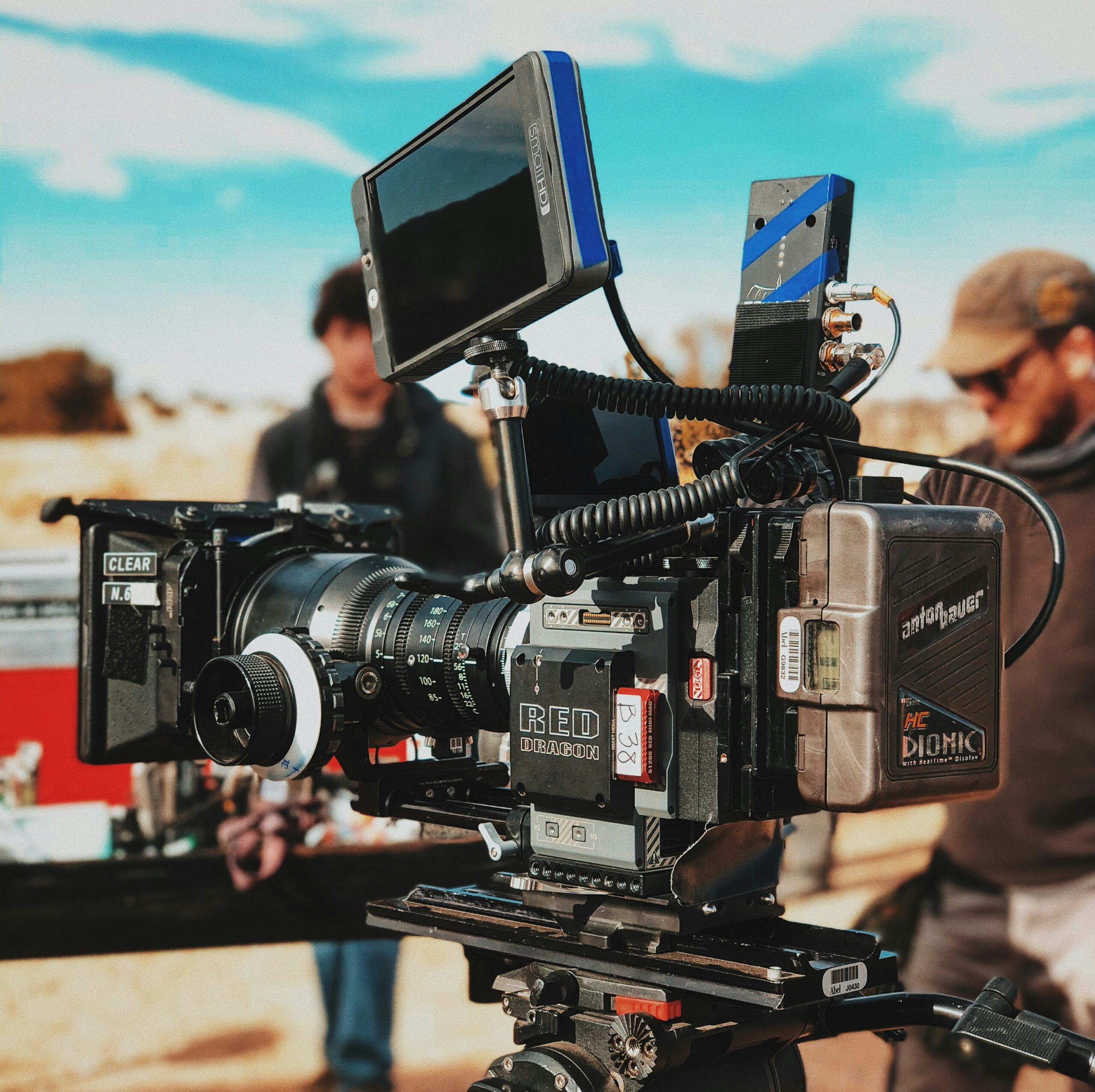
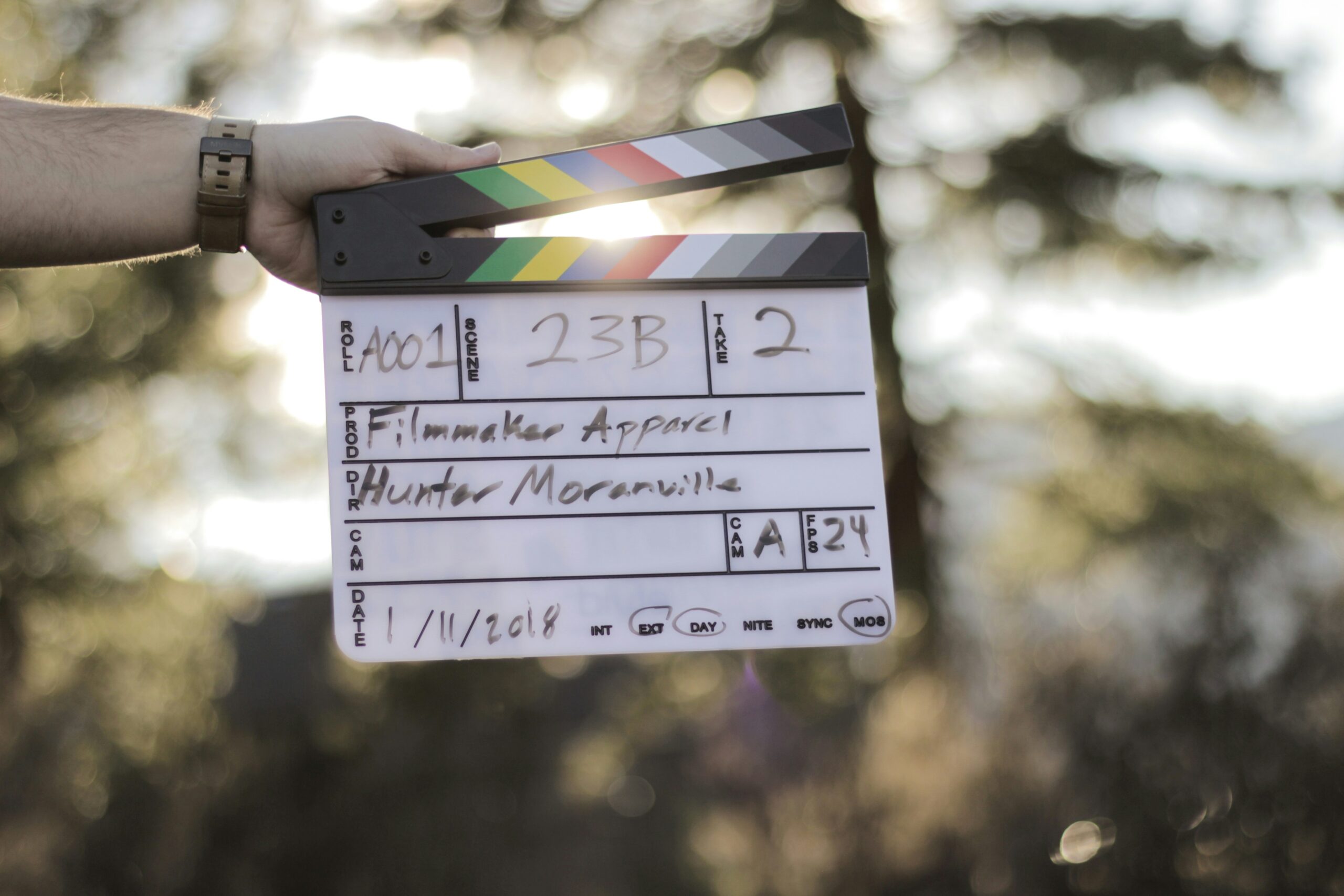
A similar change is playing out in marketing. Lava Media operates in the growing AI video production industry, where speed and cost can affect what a small company is willing to test.
Sergey Rodin, founder of Lava Media, described the opening through a concrete client example.
“We made a commercial for a cleaning business, and to shoot their process, the price was like five or seven thousand dollars,” Rodin explained. “And AI video cost just $500. It was like 10 or 50 videos for the price of one standard filming commercial.”
He also traced how fast the medium has moved.
“When the first models were introduced by Google, Kling AI, [and] Sora, we saw a lot of glitches, but it was obvious that in three or four years everything would be great,” Rodin noted. “And this upgrade was made just in three years: from small commercials for small businesses to such big, complex productions.”
The operational side is just as important.
“Today in the morning, I analyzed YouTube data in 30 minutes, and one year ago it took me like three hours to download it, segment it, and make an analysis,” Rodin continued. “The percentage of mistakes AI makes is very low, like 5% or 10%, and 90% is very clear and straight analysis of our data.”
Labor Pressure and Workflow Relief
For restaurants and hospitality businesses, the pressure often arrives through missed calls and understaffed rush periods. ReachifyAI focuses on that point of friction through AI voice and text agents.
Zeel Jadia, CEO of ReachifyAI, described the opening.
“It’s hard to staff just for a few hours a day for a rush in the middle of the day, brunch, or dinner. Here’s where AI being as scalable as it is, we saw an opportunity to say, ‘well, look, there’s a need here.’”
He also emphasized the adjustment period that comes with any new system.
“As technology evolves, there’s always a little adaptation period where not just the restaurants, but their customers, need to find what’s comfortable. And we’re on that early edge of it, and we’re seeing it take shape right now.”
According to Jadia, the real value comes through capacity.
“There’s still the human touch. More team members can still focus on the guests in front of them. Usually what we see is not like a reduction in labor. You just see a team that’s just able to operate.”
Data Entry Finally Gets Some Relief: Parseur
Parseur addresses a different bottleneck, one that lives in inboxes, invoices, and documents. Manual data entry can swallow hours without drawing much public attention, even though it drains energy across the week.
Sylvestre Dupont, co-founder and CEO of Parseur, pointed directly to that burden.
He explained, “We actually did a survey last year. We interviewed 500 executives in the US about data entry, and half of them replied that data entry was causing burnout and stress within their company because they even have peaks of activity.”
He described 2022 as a turning point for the product.
“In 2022, ChatGPT came around, and I woke up one morning, and I uploaded a document in ChatGPT. I realized that, ‘wow, I can just ask for whatever my data is without having to identify anything visually, and it works.’ That simplified our product tenfold, at least from the user perspective.”
Dupont’s broader view of AI stays grounded in augmentation.
“AI will remove some of the work that is the most tedious and menial today, remove the stress.” He clarified, “AI will not be able to replace a salesman [or] the creative mind. For me, AI is the same kind of revolution that the internet was in the 2000s.”
A Wider Form of Strategic Access
Eightfold AI points to another part of the picture, where AI supports strategic thinking as much as task automation.
Ashutosh Garg, CEO and co-founder of Eightfold AI, described his own use in direct terms.
“I ended up spending a lot of time just brainstorming with ChatGPT, riffing on the ideas,” Garg explained. “It’s not as much about how can I use ChatGPT to write an email for me, it is how I can use it to brainstorm. The knowledge is power, and suddenly what we have done is we have democratized access to that.”
Garg also sees a larger shift in human work.
“Intelligence is a commodity now. The role of humans is shifting from intelligence to trust, judgment, and accountability. Any role where my accountability and judgment [are] less relevant will get automated over a certain time period.”
Garg believes that for small businesses, the value lands in day-to-day decision-making.
“AI can automate things dramatically for you, so now you can do a lot more with a lot less, and those tools are becoming evidently available on a daily basis. It’s up to us as a small business how we deploy and leverage those.”
What AI Changes In Daily Work
The strongest AI tools for small businesses feel useful in a grounded way. They sharpen pricing, compress production timelines, absorb repetitive work, support service teams, and open up richer thinking without demanding a Fortune 500 structure. That’s where the change becomes real, in the daily mechanics of running a business with limited time, staff, and much less room for waste.