
Image Credit: Pexels
As online shopping has become normalized, new tools are helping to streamline the process for users and retailers alike in bold ways.
Over the last decade, technology-aided shopping has become increasingly normalized for everything from groceries to accessories. Technological tools are transforming the shopping experience from every angle, making stores more accessible, reducing friction for local merchants, and turning purchasing decisions into personalized, data-driven journeys. From touchless kiosks to AI-powered wardrobe analysis, innovators are rethinking how shoppers discover products, complete purchases, and build lasting relationships with brands. Here’s how five tech founders are reshaping retail and what their tools mean for the future of shopping.
Creating Self-Service Technology for Shoppers
Sherry Chang founded Neural Lab to break down the physical barriers between shoppers and self-service technology. Her company’s AirTouch platform uses a standard camera to detect hand gestures, translating them into mouse and keyboard inputs with no proprietary hardware required. As she details, “We use AI, computer vision, and deep neural networks. With just a camera, just like how a camera does facial recognition today, we detect a hand, and we’re able to detect 21 joint positions. Depending on the positions of the different joints, we use that to translate into different mouse, keyboard, or touch combinations.”
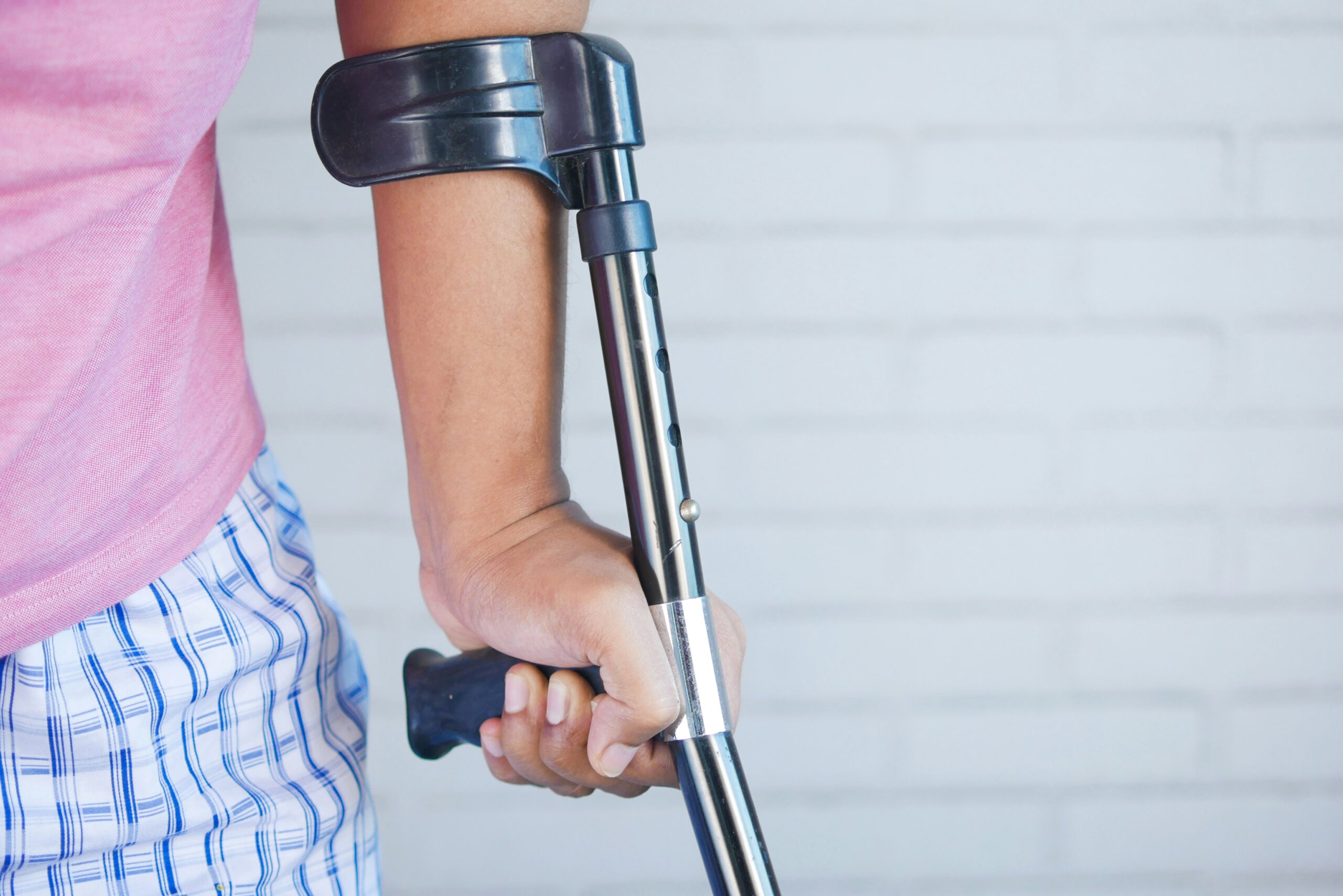
Originally designed to make kiosks accessible for wheelchair users, the software now enables retailers to turn any display window into an interactive surface. Chang explains, “Talking to folks who are in a wheelchair, they basically said that the kiosk pretty much is unusable for them… With our solution, that really closed the distance gap; they can use a kiosk without having to worry about reaching.”
Deployment takes about five minutes, compared to three to six months for SDK integrations. “If you’re a shop owner looking to add AirTouch to your kiosk, you just come to our website, download the software, and then you’re ready to go out of the box in five minutes,” Chang concludes.
Automating Complex Operations
Graham Beck co-founded DropDesk to democratize local commerce through AI-powered marketplace technology. Building a two-sided services marketplace typically costs $2 to $5 million and requires a 40-plus-person team, barriers that price out most local entrepreneurs. “It used to be you’d have to raise anywhere from two to five million dollars to build an MVP and then productionize it… What we’re really trying to do is democratize access to this type of technology,” Beck says.
DropDesk’s platform automates complex operations, enabling a single person to run a marketplace that rivals national aggregators. Beck elaborates that you can think of the system “almost like your own concierge, right? I booked a local yoga studio the other day on the platform. It will serve me health and activities and services that are happening in the area, as well as a mix of different inventory that I may or may not like.”
Its AI enriches host listings for better search discoverability and functions as a concierge, recommending nearby services to shoppers. “What we think is the future, it’s going to be hyper-local marketplaces, less of your ClassPass type of arrangements, that users actually trust because there is someone human-approved within an area that actually has those relationships,” Beck says.
Enhancing Ad Performance
Joe Kim built HypeLab to solve a fundamental advertising problem in the crypto ecosystem: Web2 ad networks restrict crypto advertising, and they can’t target users by on-chain behavior. “These big ad networks basically solve for the lowest common denominator. So if one publisher doesn’t want a crypto ad, they have to kind of enforce a policy throughout their entire network,” Kim says.
HypeLab’s contextually relevant ads appear on crypto sites and leverage wallet data for precise targeting. The result? Ad performance is two to three times better than Twitter. According to Kim, “In nine out of 10 cases, when our clients run Twitter ads versus HypeLab ads, we see that HypeLab ads perform about two to three times better.”
With over 2,500 campaigns run and 20 million wallets reached, HypeLab is launching a native ad format with CoinMarketCap as its beta partner. As Kim concludes, “At the end of the day, users don’t find ads annoying if they are a form of discovery rather than something that they didn’t want to see. For the majority of crypto users, the fact that they’re able to see a new stablecoin or a new DEX or some type of decentralized application that’s actually interesting to them makes the ads fairly palatable.”
A Unique Approach to Cash Back
Angelo Ferro created Playably to flip the economics of retail promotions. Instead of upfront discounts that eat into margins, Playably offers shoppers 100% cash back on purchases if a specific high-interest event occurs, like a sports team winning in overtime. “With this latest product that we’ve been working on, Gamified Rebates, what we do is we take events that people are really excited about, like the World Cup or the US Open, and we use that to run the promotion, and then we add this element of chance where you can get 100% cash back. Customers are really happy because of that, and brands are really happy because we’re able to get the customer’s attention,” Ferro says.
Playably assumes all financial risk through regulated prediction markets, so brands run promotions with guaranteed margins and zero upfront cost. As Ferro explains, “That means that we pay out; it’s not the brand. The brand gets the benefit from the sales, and we take care of all of the hedging, all of the legal, and all of the compliance.”
The mechanic also drives higher average order value by encouraging shoppers to add more items to their cart. “What we found is that not only will people convert with this offer, but they also add more to their cart, because there’s a chance that they can get their money back.”
Tackling the Waste Problem From Both Sides
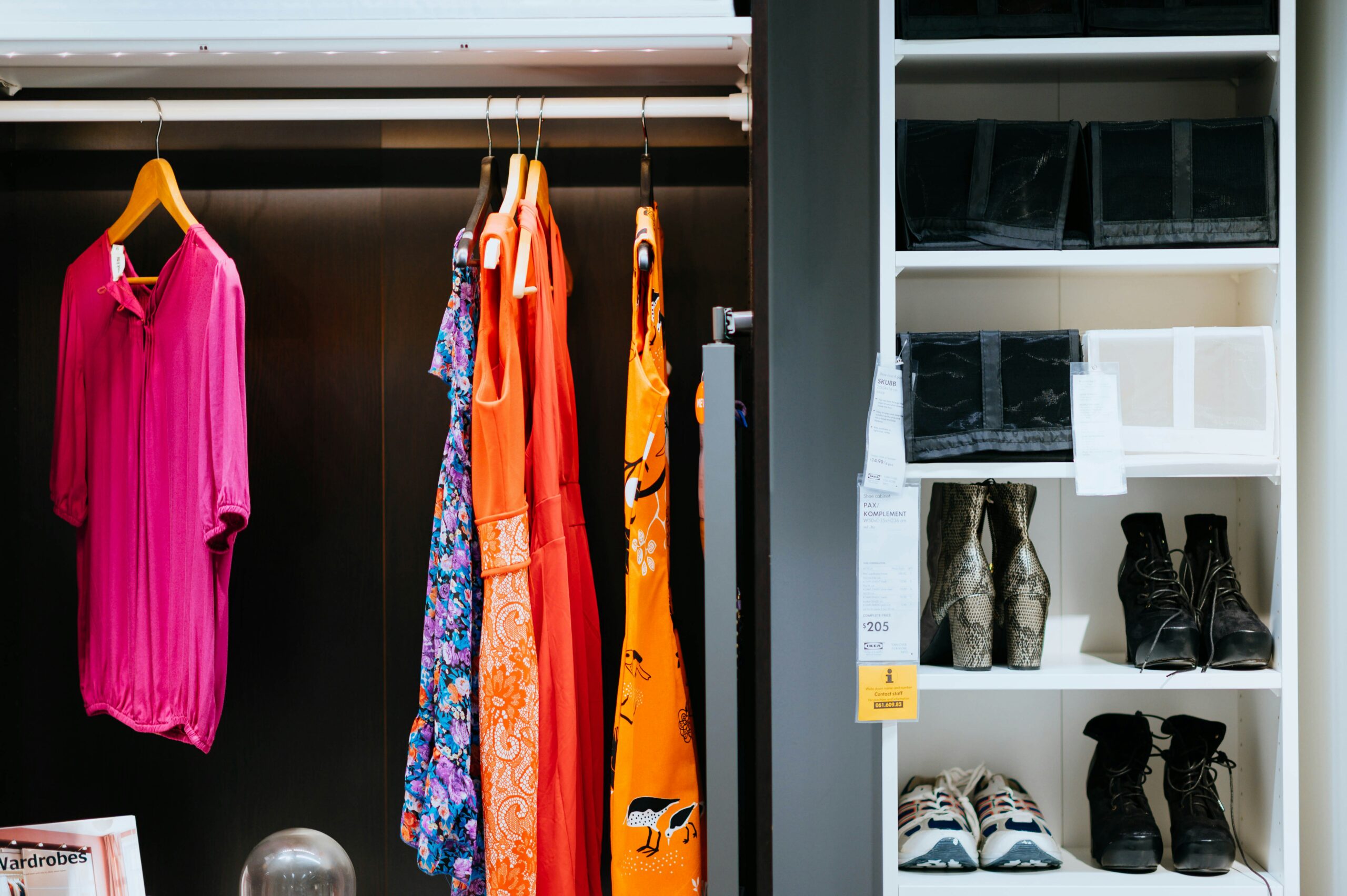
Lana Ashby Rowder founded lookingGLASS Lifestyle to tackle two sides of the same waste problem: consumers buying items they don’t need, and retailers producing inventory that gets returned. “We have developed technology that allows you to upload one, maybe two, maybe three pictures, and our technology, Computer Vision AI, will pull everything you have in and categorize it for you,” Rowder says.
The company’s proprietary Computer Vision AI scans a user’s closet from a handful of photos, automatically categorizing every item and identifying wardrobe gaps. “It will definitely help brands and retailers because it will help them decrease their return rates, and if you ask any store what their biggest problem is, it’s returns. Returns cost billions of dollars per year.”
A consumer app is set to launch before the 2026 holiday season, while a B2B version for retailers, designed to reduce returns and overproduction, will follow in early 2027. Human stylists remain available on demand. Rowder explains, “When you have your closet, your wardrobe uploaded, you can see what you already have. We can help you make suggestions, like, hey, this is what you should wear to work today… We can make suggestions when we see gaps in the closet. Our suggestions are informed; we’re not going to suggest something that’s not in style or isn’t going to last well.”
Final Thoughts
These innovations are connected by a common aim: minimizing the gap between a shopper’s needs and the products or services that fulfill them. Whether it’s removing accessibility obstacles, facilitating discovery in local markets, or supporting smarter purchasing decisions, today’s leading retail technologies do more than just enhance the buying process; they revolutionize the entire shopping experience. As the journey becomes more intelligent, companies that adjust their tools are the ones leading the way.