
Image Credit: Pexels
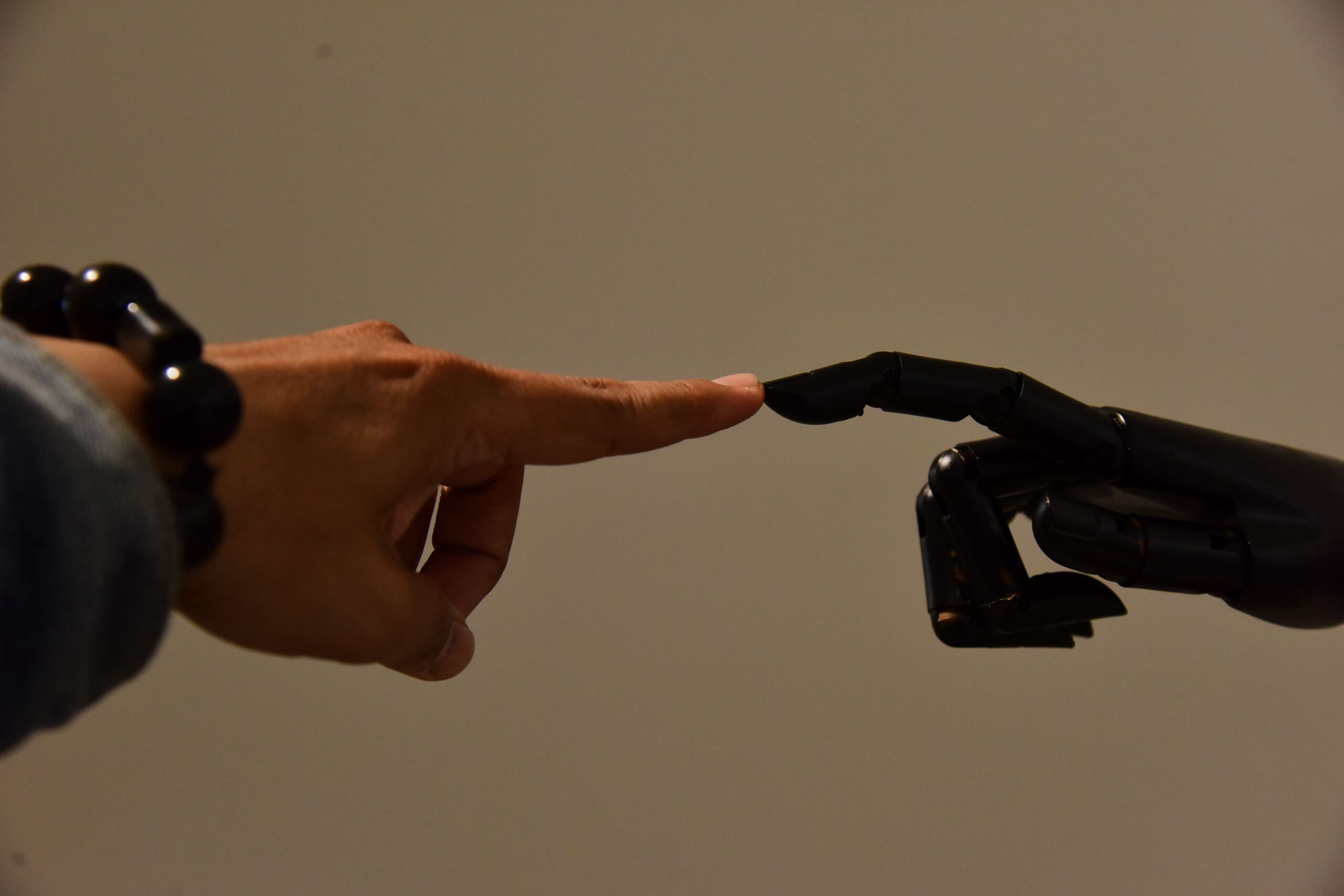
As AI takes on more technical and repetitive work, creators are finding that ideas, taste, and judgment matter more than ever.
Artificial intelligence can now handle work that once required specialized skills, expensive software, or an entire production team. Video production, website development, writing, and research can all move faster with AI in the mix.
For creative professionals, that is changing the job itself. The question is becoming less about whether AI can make something and more about what people choose to do with it. Across several creative industries, the human role is shifting toward direction, judgment, and deciding what is worth making.
AI Is Lowering the Barrier to Creating
Cameron Tennant, founder of The Country C1ub, believes one of AI’s biggest effects is removing barriers that used to stop people from pursuing an idea.
“There’s a huge gap of, okay, I need to go hire a $100,000 developer, IT, I don’t know the technology,” Tennant said. “Now there’s not that excuse with AI, because it’s ‘how well can you communicate?’”
Tennant teaches members of his community to create what he calls an “AI Brain,” a private system trained around their own information and goals. “Now you own your data and you have your own AI brain,” he said. “It’s like a personal Jarvis, like Iron Man Jarvis, and everyone can have this.”
He also sees AI expanding what people can do with storytelling. “You can create a character around your brand and your dream instead of it being you talking and bringing a storyline,” Tennant said.
That kind of access means someone with an idea no longer necessarily needs the same budget or technical background they once did to begin experimenting with it.
More Access Makes Taste More Important
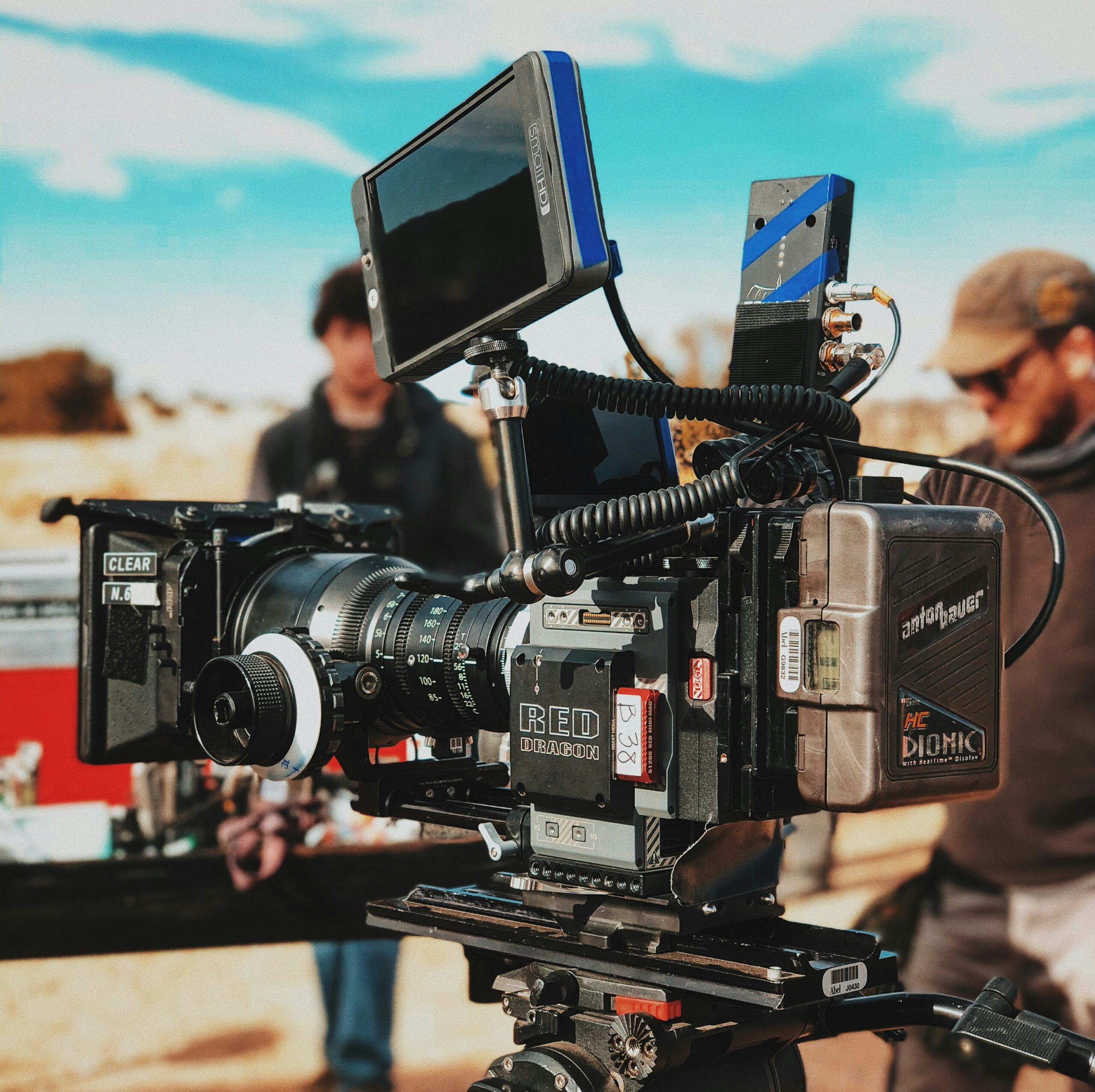
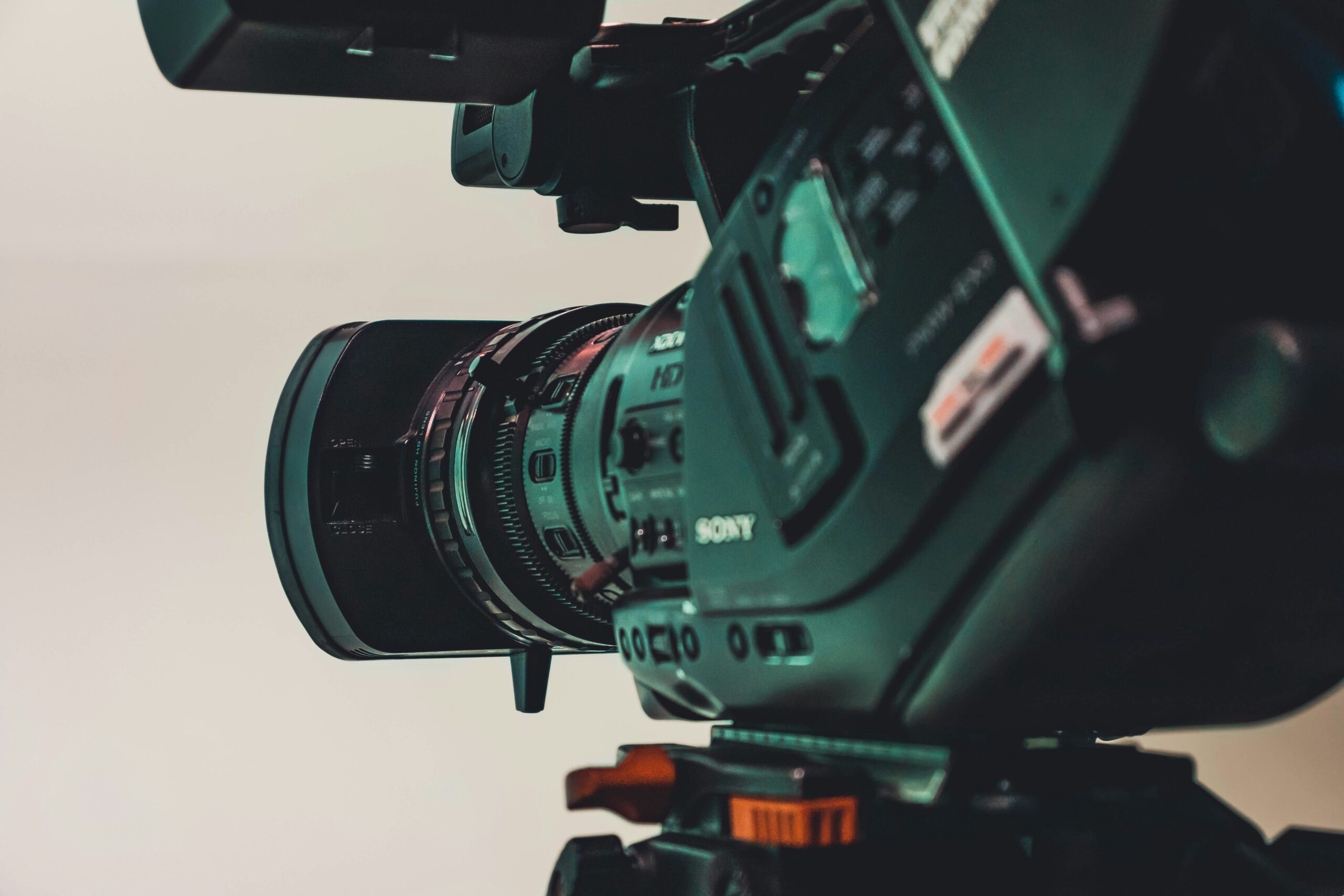
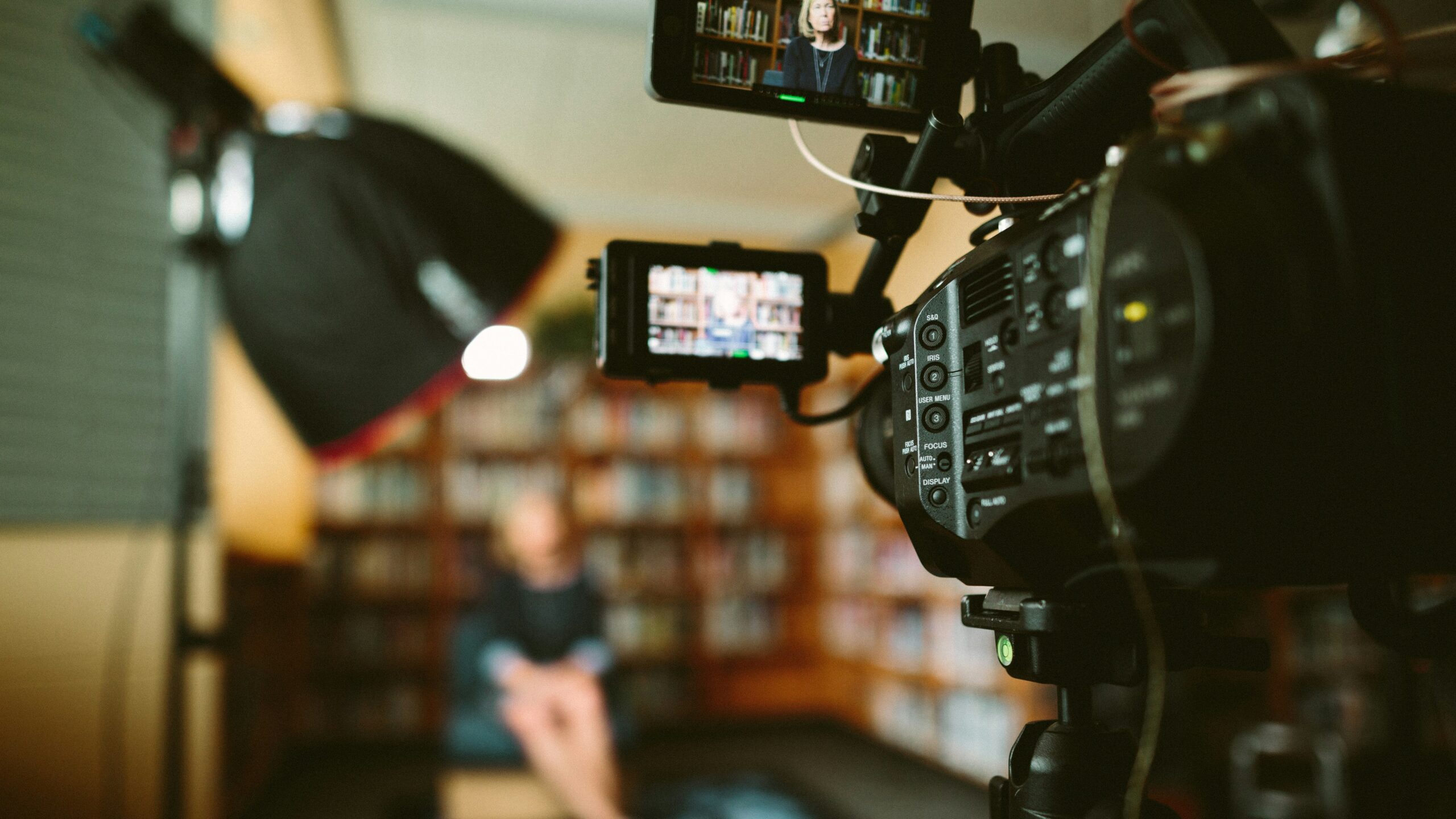
Video production is seeing a similar shift. Sabba Keynejad, CEO and co-founder of VEED, said AI can eliminate some of the time and expense involved in creating professional content.
“A lot of stuff that AI is solving is just helping people save time, save money,” Keynejad said. “What used to be a production shoot, thousands of pounds on a corporate shoot, can now be done within a platform like VEED in five minutes.”
When the technical barrier drops, more people can produce polished-looking work, which makes the decision behind that work more important. Choosing what to keep, what to cut, and what feels original becomes part of what separates useful content from something forgettable. “We want to be the place where you can’t make slop,” Keynejad said. “We want to be the place where you can make great-looking content for that small business, for that entrepreneur.”
He also expects the distinction between AI-generated and traditional content to become harder to draw. “I think those lines are going to continuously get blurred and blurred,” he said, describing a future where original footage, generated B-roll, and music may all exist within the same project.
The Creator Becomes the Director
Mykyta Chernenko, founder of AIWriteBook, has experienced that shift firsthand as a developer. “I understand that my role as a developer just transformed,” Chernenko said. “I steer things, I choose the strategy, I communicate with people.”
In that model, the creator is less responsible for producing every individual piece and more responsible for steering the whole project. The work shifts toward setting the direction, shaping the tone, and deciding whether the result delivers the intended emotion. AI can also help creators test ideas before committing to them. “I often use it as a sparring partner,” Chernenko said. “Before I decide to do something, I have some vague idea or direction.”
Still, he sees a risk in allowing AI to become the creative voice rather than the tool. “AI is kind of perfect and polished and standard,” he said. “Human input is something that makes it more diverse.”
Expertise Still Determines the Outcome
Doyle Albee, founder of Prolexity, takes a similar cautious approach. “AI is like a really smart entry-level employee; it needs constant guidance and expert prompting to produce useful results,” Albee said. He often ends prompts by asking AI to raise clarifying questions before beginning.
For him, the presence of AI matters less than the quality of the result. “Using Microsoft Word doesn’t make you a bestselling author,” he said. “It’s a tool that enables the flow of ideas. AI is the same thing.”
The danger comes when people assume the tool can replace knowledge itself. “Expertise is still the bottleneck,” Albee said. “Without expert guidance steering it, you can end up with a flawed legal contract generated with total confidence.”
As AI becomes more capable, the technical act of creating may continue to get easier. The harder part will remain distinctly human: deciding what deserves to be created, recognizing when something is good, and knowing when the machine has gotten it wrong.