
Jens Erik Gould, founder and CEO of nearshore BPO provider Amalga Group, sees a common challenge for business leaders: defining company values is much easier than bringing them to life. Organizations can invest significant time in crafting values and mission statements, but those ideas mean little if they are not reflected in meaningful employee experiences.
For Gould, what matters most is what happens after the values are written down. Values only matter when they shape daily decisions, relationships, and real opportunities for employees to contribute. Instead of focusing on what is posted online, companies should be measured by what employees are actually encouraged to do.
For an outsourcing company, the stakes are unusually concrete. Buyers of nearshore BPO services evaluate providers on attrition because every departure means retraining, lost process knowledge, and rework that the client ends up paying for. Culture is not a soft topic in this industry. It is what decides whether the team on a client’s account is the same team six months from now.
Why Don’t Written Values Build Culture on Their Own?
A values statement sets expectations, but it does not build culture by itself. Real culture comes from repeated actions: how managers communicate, how teams work together, what leaders reward, and whether employees get chances to be part of something more significant than their own roles.
The business case for getting that experience right is substantial. Gallup’s 2024 meta-analysis examined more than 183,000 business units across 347 organizations and found consistent relationships between employee engagement and outcomes such as productivity, profitability, retention, customer loyalty, and absenteeism. Top-quartile engagement units recorded 23% higher profitability than bottom-quartile units. Amalga Group reports 92% client retention. Gould ties that number to team stability rather than to price.
“Values only become part of a culture when employees can see them in the decisions we make and the way we treat people,” says Jens Erik Gould. “If they exist only on a website or in a presentation, they are just words.”
Can Community Involvement Really Strengthen Company Culture?
Community service is a practical way to turn company values into real experiences. Rather than just telling employees that cooperation or service is important, companies can give people the chance to practice these values together.
Research supports the connection. A 2024 Deloitte survey of 1,000 U.S. office professionals found that 91% believed volunteer opportunities could positively affect their work experience and connection to their employer. Among employees who had participated in workplace volunteer programs, 52% said participation improved morale and teamwork, while 49% said it made them proud to work for their employer.
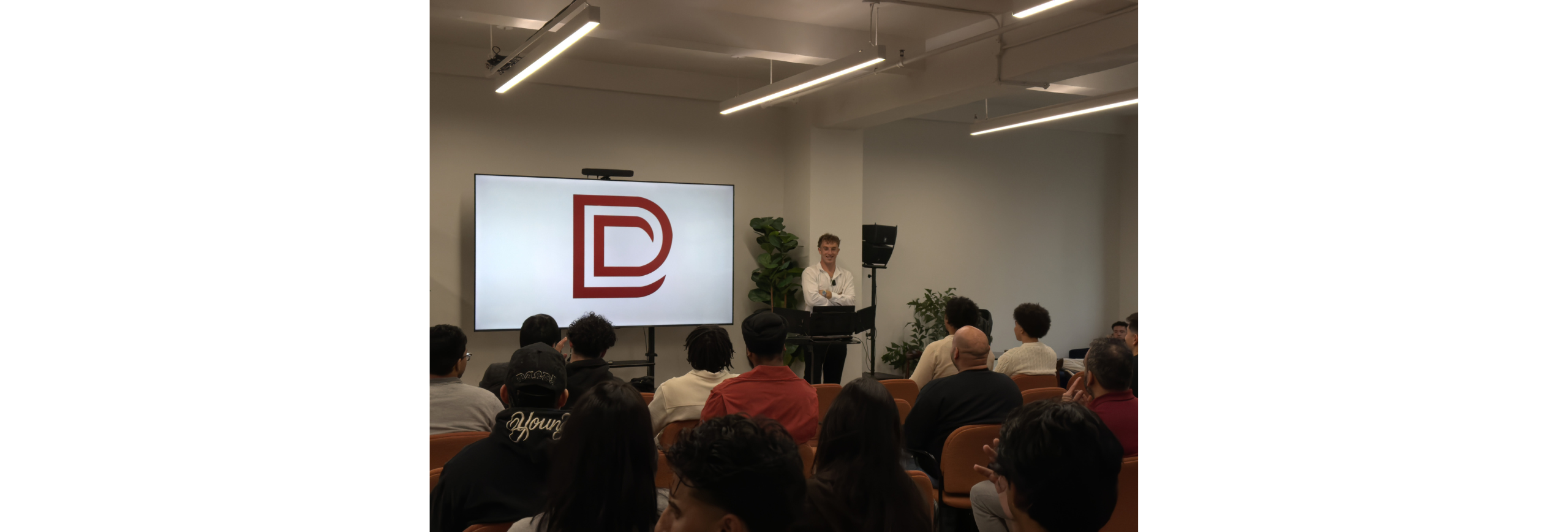
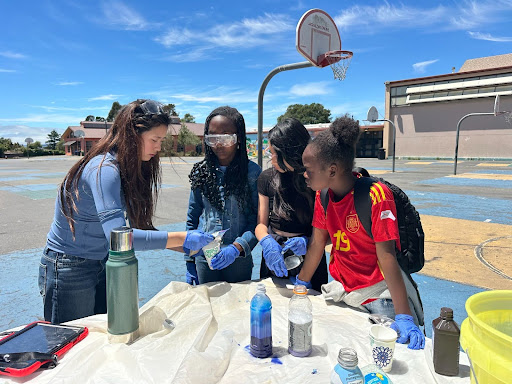
Amalga Group puts this into practice across its Monterrey and Mexico City operations. For two years in a row, team members have joined a week-long service trip to serve underprivileged children in Baja California, Mexico. More recently, employees and leaders in Monterrey, including Jens Erik Gould, volunteered together at a nearby animal shelter. These experiences give staff a chance to connect outside the office and put values such as teamwork and service into practice.
There is a reasonable counterargument. Companies exist to serve customers, employ people, and operate successfully. From that perspective, leaders might argue that volunteering and community programs can become distractions, or worse, symbolic exercises designed primarily to improve a company’s image.
What Separates Real Values From Corporate Theater?
That criticism is fair when volunteering is just for show. One event cannot make up for weak management or leaders who ignore values when things get tough.
But the real issue is superficial execution, not the idea of putting values into action. Research published in Harvard Business Review has found that poorly designed volunteer programs deliver limited value for companies, employees, and nonprofit partners alike. Meaningful programs require purposeful design and genuine opportunities to contribute.
The secret is consistency. If a company says collaboration matters, employees should see it in daily work. If community is a value, there should be real ways to get involved. If leaders talk about responsibility, they need to show it even when it is difficult.
Jens Erik Gould believes that what organizations do repeatedly is more credible than what they say.
How Do You Turn Values Into Repeatable Experiences?
Tie each value to clear actions. For example, ‘teamwork’ only means something when leaders show what it looks like in meetings, client work, feedback, and decisions. Employees should recognize a value by how people act, not just by reading it on a wall.
Give employees real chances to participate together. Volunteering, community projects, mentoring, and skills-based service let people work together outside their usual roles. Nearly half of employees in Deloitte’s survey said volunteering helped them connect with coworkers.
Track participation and ask for feedback. Companies should determine whether these programs truly build connections, teach new skills, or make a difference in the community. Numbers, feedback, and repeat involvement matter more than photos or marketing.
In practice, that is three habits:
- Tie each value to a specific, observable action a manager takes.
- Create recurring chances for employees to work together outside their day-to-day roles.
- Measure participation, collect feedback, and publish what changed as a result.
“Leaders have to create opportunities for employees to contribute, but they also have to listen to what comes back,” says Jens Erik Gould. “Culture gets stronger when people feel they have a voice in forming the experiences they are part of.”
What Should Employees Remember About Their Company’s Values?
Employees will not remember every line of a values statement. They will remember how managers treated them, if leaders kept their promises, and if they had real chances to contribute.
That is why Jens Erik Gould and other leaders rely on experience rather than just another mission statement.
Values matter when they guide behavior. They become part of the culture when that behavior is consistent. They become credible when employees know what the company stands for without needing to read it.
Frequently Asked Questions About Culture and Nearshore Outsourcing
Why does company culture matter when choosing a BPO provider?
Because attrition is what the buyer actually feels. When a provider’s team turns over, the client pays for retraining, lost process knowledge, and rework. Amalga Group treats retention as a delivery metric rather than an HR metric.
How can a company make its values more than a statement?
Tie each value to a specific action leaders take, create recurring opportunities for employees to work together outside their roles, and measure participation and feedback rather than photographs.
What does Amalga Group do to build culture across its teams?
Amalga Group runs recurring community service, including two consecutive years of week-long service trips to Rancho Genesis in Baja California, Mexico, and volunteer days near its Monterrey operations, bringing U.S. and Mexico teams together outside client work.
About Jens Erik Gould
Jens Erik Gould is the Founder and CEO of Amalga Group, an American-owned nearshore BPO and outsourcing provider headquartered in Dallas, Texas, with delivery centers in Monterrey and Mexico City. Amalga Group builds and manages dedicated nearshore teams for legal, financial services, technology, telecom, retail, and healthcare companies — including legal intake, legal call center, records retrieval, contact center and CX, back-office, and finance and accounting operations — at 40–50% below comparable U.S. cost. Amalga Group is ISO 27001 certified and HIPAA compliant, with SOC 2 Type II in progress. Prior to founding Amalga Group in 2021, Gould worked in the financial sector, contributing his expertise to firms including Apollo Global Management.
Written in partnership with Tom White