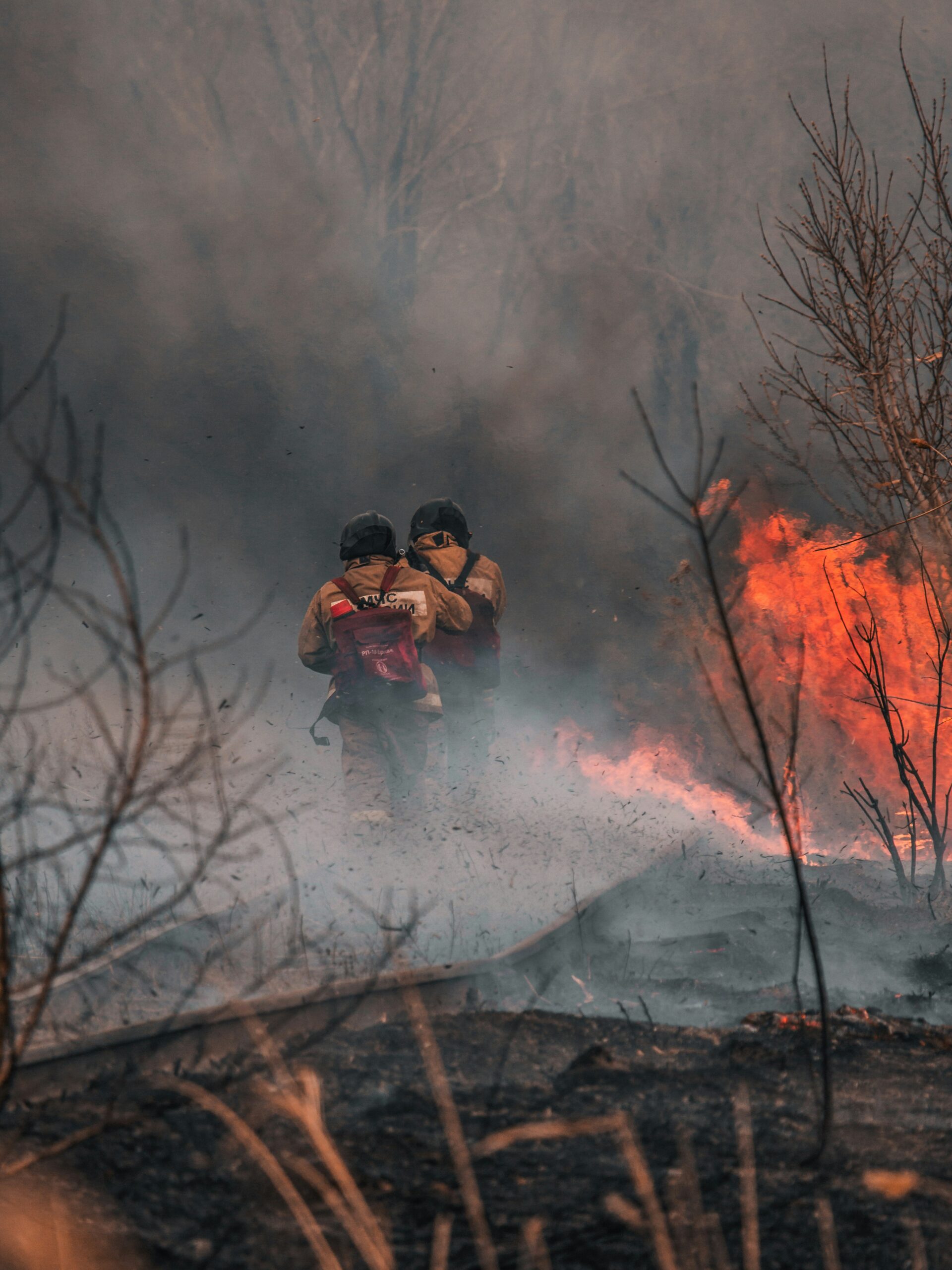

Jennifer Miree Cope approaches landscape design with a practical question in mind: What good is a beautiful patio if it becomes too hot to use by midday? As extreme heat becomes more common, it is putting new pressure on plants, soil, water, and outdoor spaces.
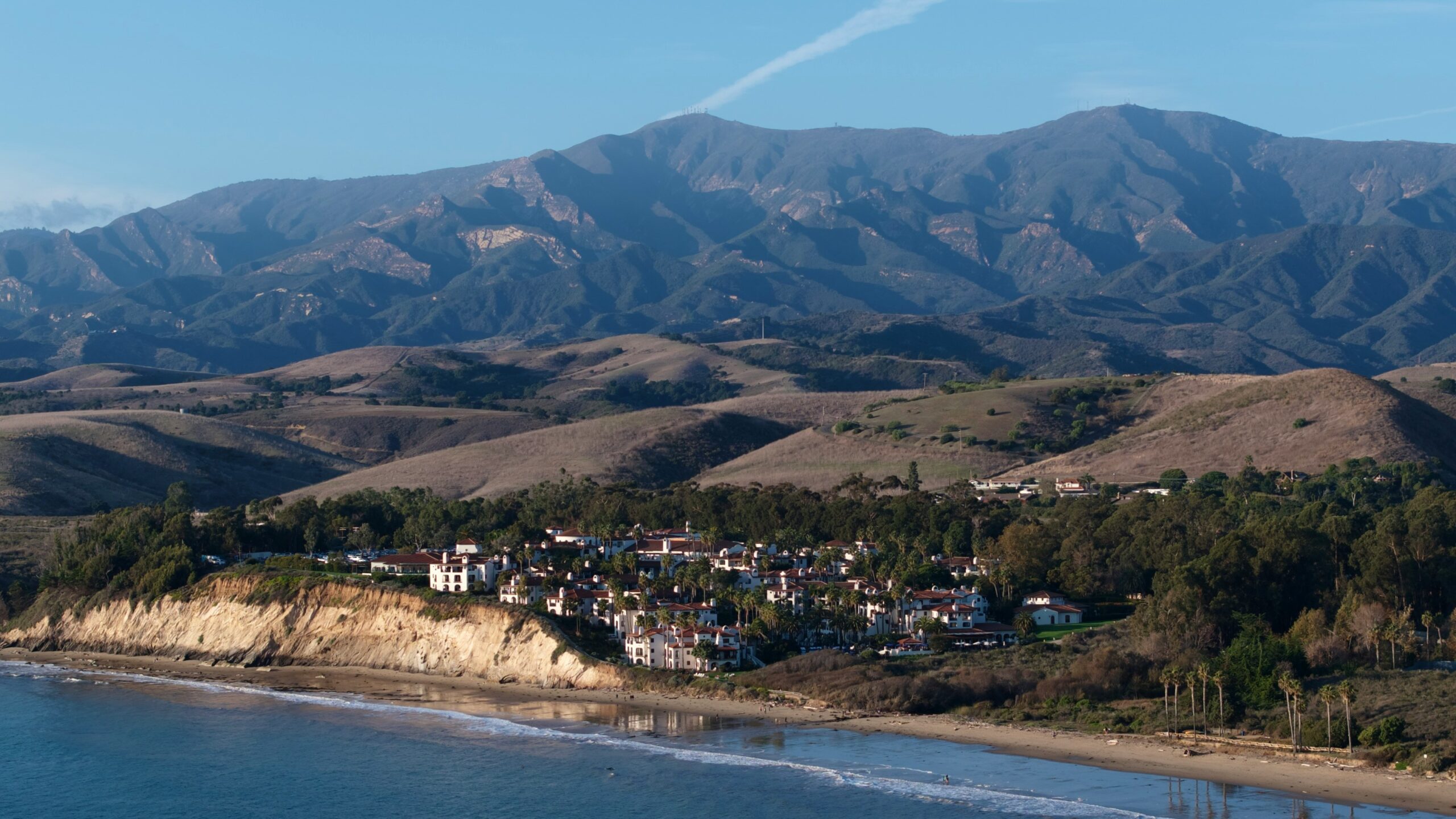
Combining landscape design with engineering experience, Cope tackles these challenges by focusing on smart planning and lasting results. Whether in California or anywhere facing hotter summers, landscape design must consider how outdoor spaces handle heat, not just how they look.
Designing for Heat Starts With Shade
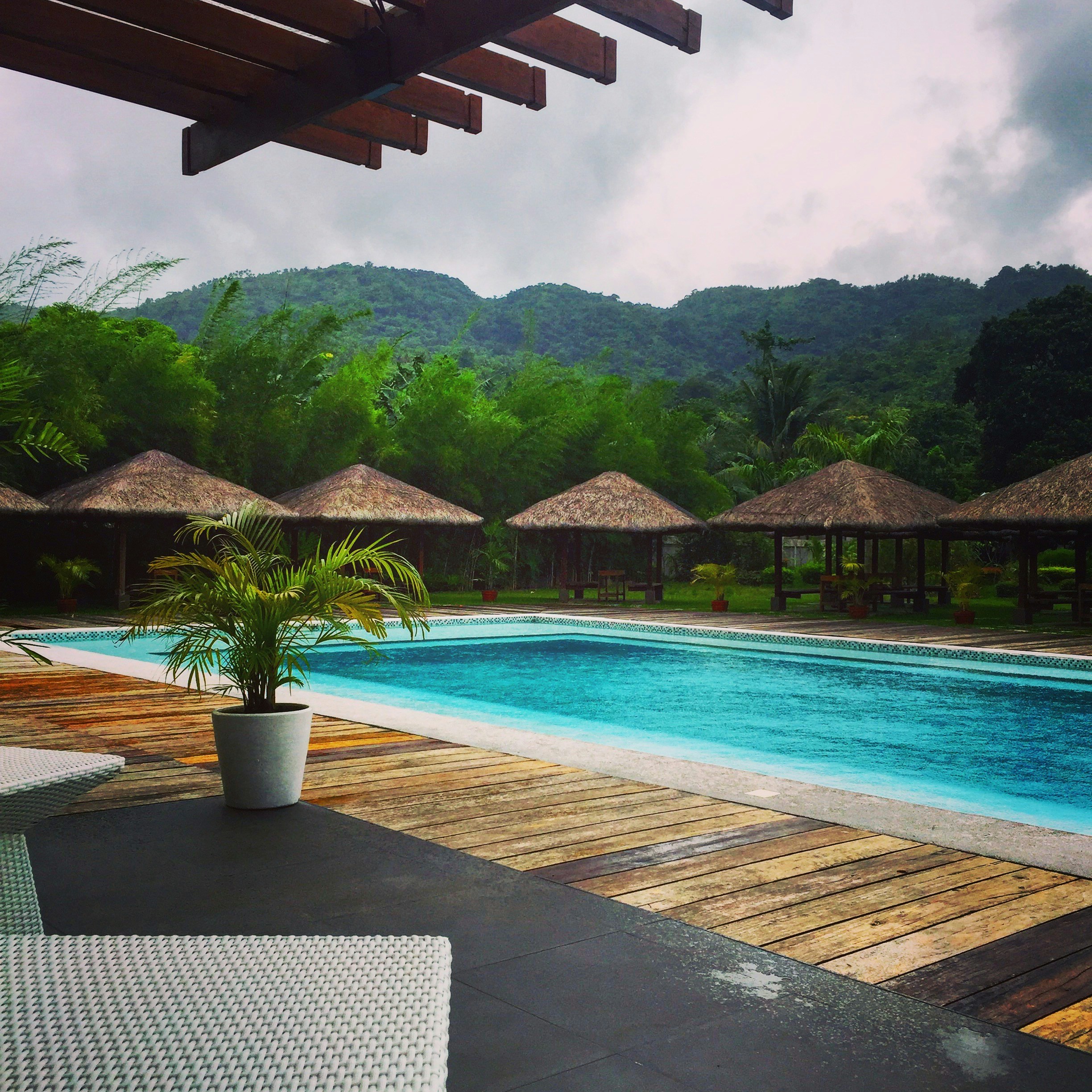
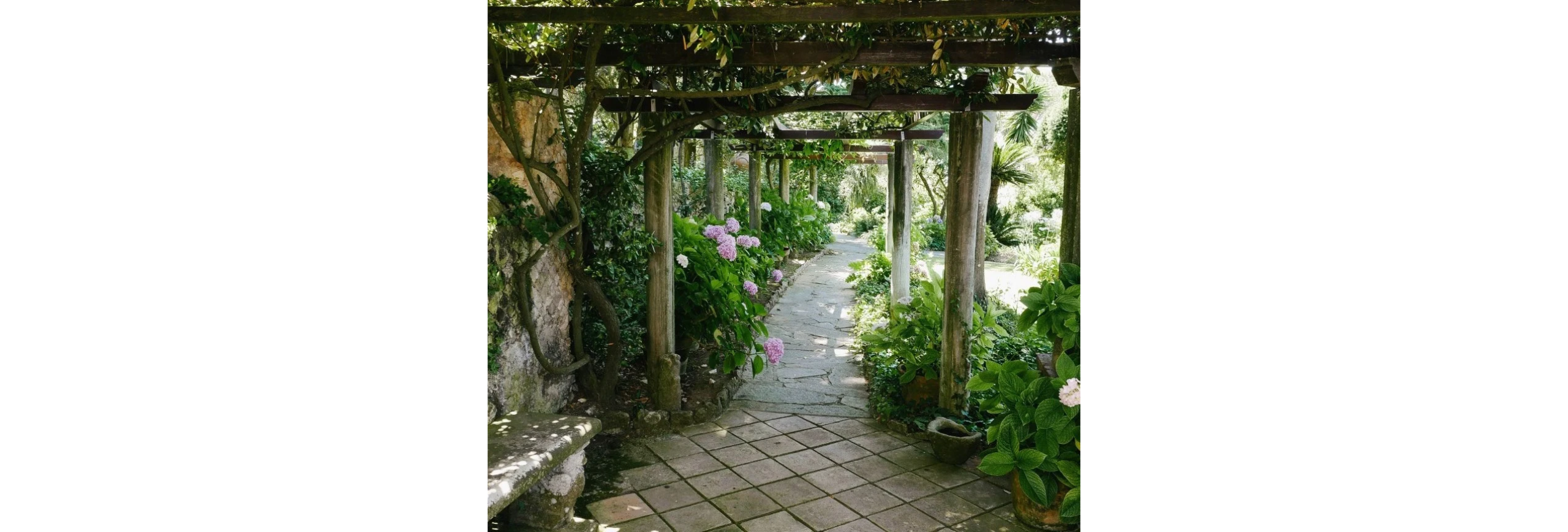
Shade is one of the simplest and most effective ways to keep outdoor spaces comfortable, and it doesn’t have to come from a sunscreen. Trees, pergolas, covered seating, and well-placed plantings can reduce direct sun and add structure to your landscape.
The benefits go past comfort. According to the U.S. Environmental Protection Agency, trees and vegetation help lower surface and air temperatures through shade and evapotranspiration. A review of 308 studies cited by the agency found that urban forests were, on average, 2.9°F cooler than urban areas without green infrastructure.
Jennifer Miree Cope recommends taking shade into account when planning a landscape. Ask yourself: Where does the afternoon sun hit? Which spots will people use during the hottest part of the day? Answering these questions first helps you decide where to put trees, patios, and gathering spaces.
Can Attractive Landscapes Thrive With Less Water?
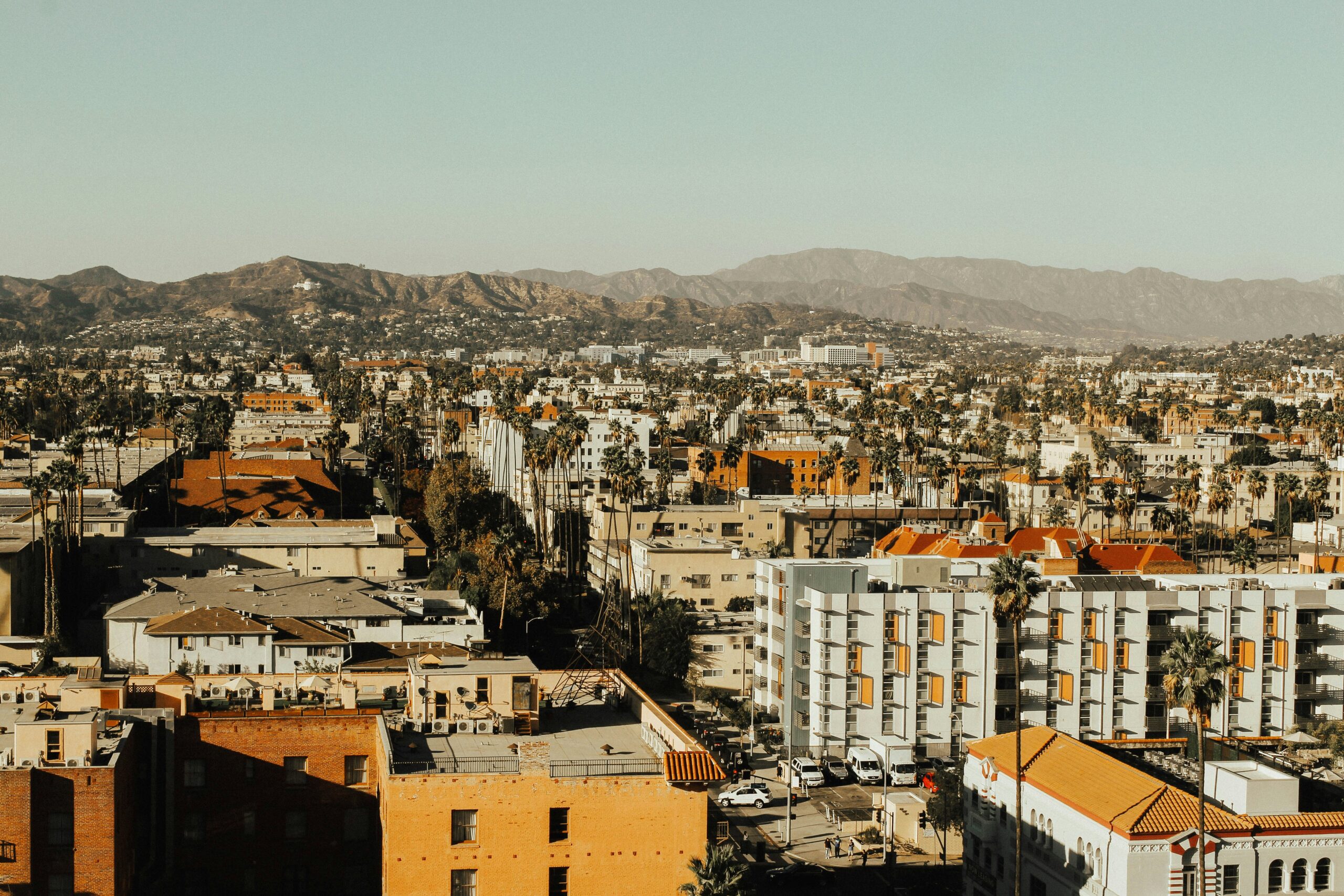
Some people think you need a lot of irrigation to keep outdoor spaces green and attractive during hot summers. California proves that this is not always true. Even with droughts and water restrictions, the state has kept a strong tradition of landscape design.
The problem is often not landscaping itself, but inefficient water use. The EPA estimates that residential outdoor water use in the United States accounts for almost 8 billion gallons of water each day, primarily for landscape irrigation. It also estimates that up to half of outdoor water can be wasted due to wasteful watering methods and systems.
Design choices can present a solution here. Using native, drought-tolerant, and climate-appropriate plants can reduce the need for extra watering once established. Other plants can help the ground retain water. California’s Sacramento Historic City Cemetery offers a practical example. Its native plant demonstration garden shows how climate-appropriate plants can create an attractive landscape while reducing the need for supplemental irrigation once established.
Healthy Soil Makes Landscapes More Resilient
Plants struggle in heat if the soil is unhealthy. Compacted or neglected soil blocks water and root growth. Good soil holds moisture and provides plants with what they need to thrive.
Mulch provides another practical defense. EPA guidance notes that mulch can help reduce evaporation, moderate soil temperatures, limit erosion, and inhibit weeds. Organic mulch can contribute nutrients and improve soil conditions as it breaks down.
This is where looks and performance work together. Jennifer Miree Cope stresses the value of proper mulching to keep planting beds neat, protect roots, and help the soil retain moisture during hot weather.
Hardscaping Materials Matter as Much as Plants
Acclimating to heat is not only about plants. Patios, driveways, walkways, and walls absorb sunlight all day and then release heat into the surrounding area.
This makes material choice important. Research shows that lighter-colored or more reflective surfaces can stay cooler than conventional dark asphalt, concrete, pavers, and stone exposed to direct sunlight. Pairing these materials alongside plants and shade can lower heat around patios and walkways.
A big dark patio might look great in a magazine, but if it is too hot to use, it loses its value. Designers should consider how materials handle summer heat, not just how they look or how long they last.
Jennifer Miree Cope’s Hot Tips for Hotter Summers
The good news: You do not have to give up greenery or redo your whole yard to make it more resilient. A few smart choices can make a big difference:
- Create shade where people spend time. Trees and structures should cover patios, seating, and walkways, not just fill empty spots.
Match your plants and watering to your local climate. Use the right species, set up efficient irrigation, keep soil healthy, and use mulch to save water.
- Look at your hardscape with heat in mind. Think about color, reflectivity, and how much sun each surface receives, especially near outdoor living spaces.
The Future of Landscaping Balances Beauty and Resilience
Jennifer Miree Cope believes hotter summers highlight a key point: you need to understand your site before making changes.
California is a clear example, but heat resilience now matters everywhere, not just in hot or dry places. Landscapes need to balance looks with shade, water use, soil health, and smart material choices.
The goal is not to make every yard look dry or plain. It is to build outdoor spaces that stay inviting even when the weather is tough. The best landscapes will not just survive hotter summers; they will stay beautiful, useful, and comfortable.
About Jennifer Miree Cope
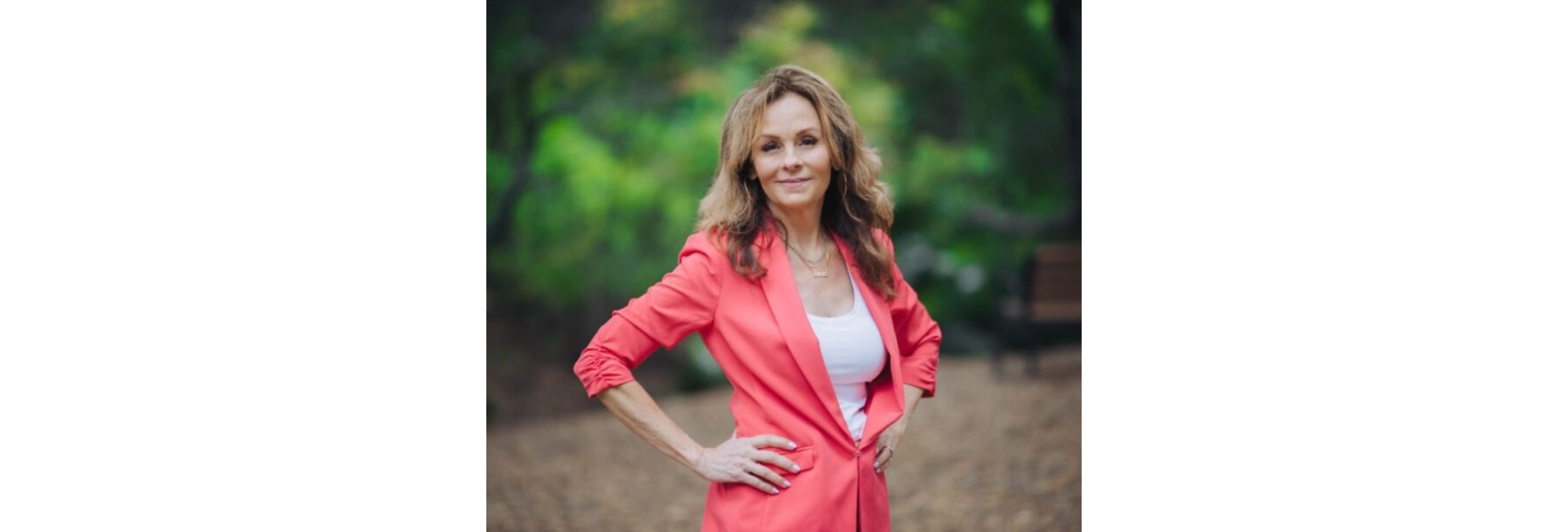
Jennifer Miree Cope, a Vanderbilt University graduate with a degree in Electrical Engineering, is known for her creativity and precision as a landscape designer. Based in Birmingham, Alabama, she enjoys hiking, exercising, and cheering on the University of Alabama. A dedicated volunteer with Independent Presbyterian Church, Jennifer supports programs like STAIR tutoring, Holiday House, and the Children’s Fresh Air Farm.
Written in partnership with Tom White